Women’s Health: Obstetrics, PCOS & Menopause Explained

When Do Dentists Recommend Ceramic Veneers? A Complete Guide
May 22, 2026
Menopause Diet & Nutrition: The Ultimate Guide to Eating Well Through Every Stage
June 12, 2026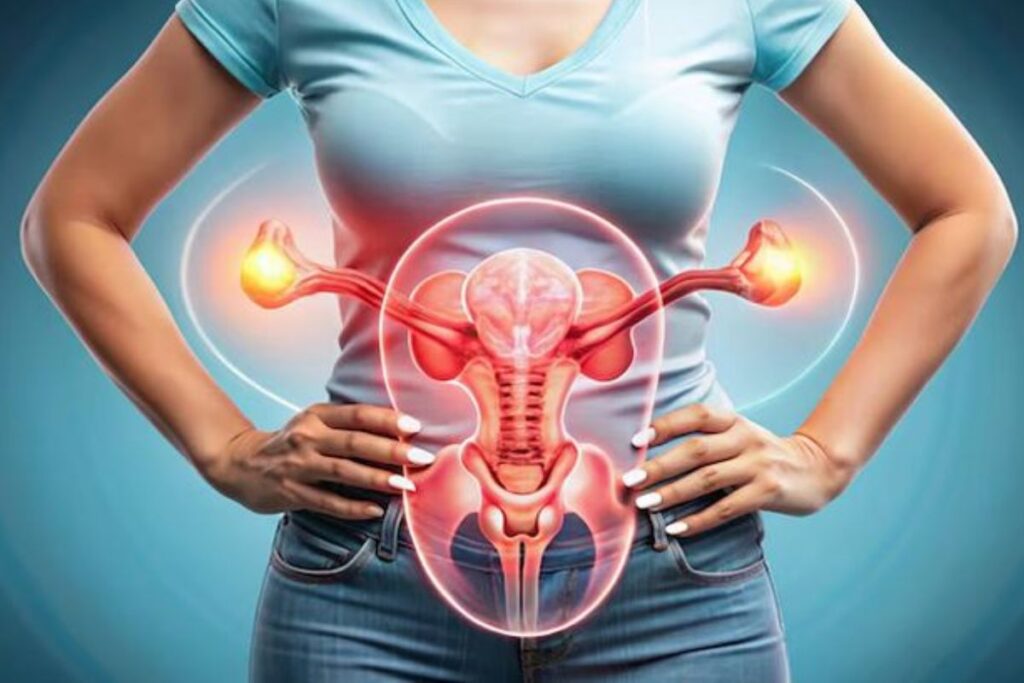
Every woman deserves access to clear, reliable, and empowering health information. Whether you are in your twenties dealing with PCOS, in your thirties exploring obstetrics for the first time, managing the daily challenges of endometriosis, staying consistent with your cervical screening appointments, or stepping into the transformative phase of menopause — understanding your body is the first step toward taking control of your health.
Seeking guidance from the Best Gynecologist in Sohna, Gurgaon can provide expert support, personalized treatment, and preventive care tailored to your unique health needs at every stage of life.
With the right knowledge and medical care, women can make informed decisions, address health concerns early, and build a foundation for long-term well-being and confidence.
Obstetrics: More Than Just Delivering Babies
When most people hear the word obstetrics, they think of labor rooms and newborn babies. But obstetrics is a much broader and more profound field than that. It is the complete medical science of caring for women from the moment of conception through the postpartum period — a journey that can span nearly a full year.
Obstetrics intersects with many other areas of women’s health. It overlaps with nutrition, mental health, endocrinology, and even chronic disease management. A woman with PCOS, for example, may face unique obstetric challenges because of hormonal imbalances that affect fertility and pregnancy. Similarly, a woman with a history of endometriosis may require specialized obstetric care to manage her pregnancy safely.
The Pillars of Modern Obstetric Care
Today, obstetrics is guided by evidence-based medicine and a patient-centered approach. Key components include:
- Preconception counseling — Before pregnancy even begins, obstetric guidance helps women optimize their health, manage existing conditions like PCOS or endometriosis, and prepare their bodies for a healthy pregnancy.
- High-risk pregnancy management — Some women require specialized obstetric care due to conditions such as hypertension, diabetes, multiple pregnancies, or a history of miscarriage.
- Fetal medicine — Advanced ultrasound, genetic testing, and fetal monitoring allow obstetricians to detect and address potential complications early.
- Mental health support — Obstetrics now recognizes perinatal mental health as a core part of care. Conditions like prenatal anxiety and postpartum depression are screened for routinely.
- Safe delivery planning — Whether a woman chooses a vaginal birth, requires a cesarean section, or opts for a water birth, obstetrics ensures the process is as safe and supported as possible.
The goal of modern obstetrics is not simply a healthy baby — it is a healthy mother and baby, with dignity and informed consent at every step.
Endometriosis: Breaking the Silence on a Misunderstood Disease
For far too long, endometriosis has been dismissed as “just bad periods.” Women with endometriosis have been told their pain is normal, exaggerated, or psychological. The reality is starkly different — endometriosis is a serious, systemic inflammatory disease that can affect every aspect of a woman’s life.
Endometriosis occurs when endometrial-like tissue grows outside the uterus. These growths, called lesions or implants, can be found on the ovaries, bowel, bladder, pelvic lining, and in rare cases, even the lungs or diaphragm. Unlike the uterine lining that sheds during menstruation, these lesions have no way to exit the body, causing internal bleeding, inflammation, and the formation of scar tissue over time.
The Hidden Impact of Endometriosis
Beyond physical pain, endometriosis has a profound impact on mental and emotional well-being:
- Career and productivity — Many women with endometriosis report missing work or school due to debilitating pain during their menstrual cycle.
- Relationships — Painful intercourse (dyspareunia) associated with endometriosis can strain intimate relationships and affect self-esteem.
- Mental health — Studies show that women with endometriosis are significantly more likely to experience depression and anxiety.
- Fertility challenges — Up to 50% of women experiencing infertility have underlying endometriosis, making it one of the leading causes of difficulty conceiving.
New Hope in Endometriosis Research
The medical community is making strides in understanding endometriosis. Researchers are exploring non-invasive diagnostic tools — such as blood biomarker tests — that could replace the current gold standard of laparoscopic surgery for diagnosis. New targeted drug therapies are also being developed that aim to treat endometriosis at its root rather than simply suppressing hormones.
If you suspect you may have endometriosis, do not accept dismissal from healthcare providers. Seek a specialist, keep a detailed symptom diary, and advocate persistently for a proper diagnosis.
Cervical Screening: A Simple Test That Saves Lives
Of all the tools available in preventive gynecological care, cervical screening stands out as one of the most powerful. The introduction of routine cervical screening programs has led to a dramatic decline in cervical cancer deaths in countries where it is widely practiced.
Cervical screening works by detecting abnormal changes in cervical cells — known as dysplasia — before they develop into cancer. This gives women and their healthcare providers a critical window of opportunity to intervene early, when treatment is simplest and most effective.
Understanding Your Cervical Screening Results
Receiving cervical screening results can feel anxious-making, especially if they come back abnormal. Here is what common results mean:
- Normal (Negative) — No abnormal cells were found. You can continue with your regular cervical screening schedule.
- HPV Positive, No Abnormal Cells — Human papillomavirus was detected but has not yet caused cellular changes. A follow-up cervical screening in 12 months is typically recommended.
- Low-Grade Abnormality (CIN 1) — Mild changes in cervical cells that often resolve on their own. Monitoring with repeat cervical screening is usually advised.
- High-Grade Abnormality (CIN 2 or CIN 3) — More significant cell changes that require treatment to prevent progression to cancer. A colposcopy will be recommended.
- Cervical Cancer — Rare when cervical screening is done regularly, as cancer is usually caught in a pre-cancerous stage.
Breaking Down Barriers to Cervical Screening
Despite its proven effectiveness, many women do not get their cervical screening done on schedule. Common barriers include:
- Fear of pain or discomfort
- Embarrassment or cultural stigma
- Past trauma or negative experiences
- Lack of awareness about the importance of cervical screening
- Limited access to healthcare services
Healthcare providers are working hard to make cervical screening more accessible, comfortable, and culturally sensitive. Self-sampling HPV kits — where women collect their own cervical sample at home — are being introduced in several countries as a way to remove barriers and increase participation in cervical screening programs.
PCOS: A Hormonal Condition That Deserves More Attention
Polycystic Ovary Syndrome, widely known as PCOS, is far more than a reproductive issue. It is a complex metabolic and hormonal condition that can affect virtually every system in a woman’s body — from her skin and hair to her heart, mental health, and long-term risk of chronic disease.
What makes PCOS particularly challenging is how differently it can present from woman to woman. One woman with PCOS may struggle primarily with irregular periods and difficulty conceiving. Another may experience significant weight gain and insulin resistance. A third may have normal weight but excessive hair growth and severe acne. This variability has led PCOS to be called a “spectrum condition.”
The Link Between PCOS and Insulin Resistance
One of the most important — and often overlooked — aspects of PCOS is its connection to insulin resistance. Up to 70% of women with PCOS have some degree of insulin resistance, meaning their cells do not respond effectively to insulin. This leads the pancreas to produce more insulin, which in turn stimulates the ovaries to produce more androgens — worsening PCOS symptoms.
This metabolic component of PCOS means that diet and lifestyle play an enormous role in managing the condition:
- Low glycemic index (GI) diet — Foods that cause gradual rises in blood sugar help manage insulin levels in women with PCOS.
- Regular physical activity — Exercise improves insulin sensitivity, supports weight management, and helps regulate hormones in PCOS.
- Stress management — Chronic stress raises cortisol levels, which can worsen insulin resistance and PCOS symptoms.
- Adequate sleep — Poor sleep is linked to increased insulin resistance, making sleep hygiene especially important for women with PCOS.
PCOS and Long-Term Health Risks
Women with PCOS face elevated risks of several long-term health conditions, including:
- Type 2 diabetes
- Cardiovascular disease
- Non-alcoholic fatty liver disease
- Endometrial cancer (due to irregular ovulation and unopposed estrogen)
- Sleep apnea
These risks make it essential for women with PCOS to have regular health monitoring beyond just reproductive care. Working with a multidisciplinary team — including a gynecologist, endocrinologist, and dietitian — often yields the best outcomes for women living with PCOS.
Menopause: Reframing the Conversation
For generations, menopause has been spoken about in hushed tones — a subject shrouded in myth, stigma, and resignation. Women were told to simply “get through it.” But today, the conversation around menopause is changing, and for the better.
Menopause is not a disease. It is not the end of a woman’s vitality, sexuality, or productivity. It is a natural hormonal transition — and with the right support and information, women can navigate menopause with confidence and even embrace it as a powerful new chapter.
Perimenopause: The Transition Before Menopause
Many women are caught off guard by perimenopause — the transition phase that precedes menopause and can last anywhere from 2 to 10 years. During perimenopause, estrogen levels fluctuate erratically before eventually declining, causing a wide range of symptoms that are often mistakenly attributed to stress, aging, or even PCOS.
Signs that you may be in perimenopause include:
- Changes in your menstrual cycle length or flow
- Increased PMS symptoms
- New or worsening anxiety
- Sleep disruption
- The beginning of hot flashes
Understanding perimenopause is key to navigating menopause more smoothly. Many women benefit from starting conversations with their gynecologist about menopause years before their last period.
Menopause and Bone Health
One of the most significant health concerns associated with menopause is bone density loss. Estrogen plays a critical role in maintaining bone strength, and as levels drop during menopause, the risk of osteoporosis — a condition characterized by weak, fragile bones — increases substantially.
To protect bone health during and after menopause:
- Ensure adequate calcium intake (1,200 mg/day for women over 50)
- Maintain sufficient vitamin D levels
- Engage in weight-bearing exercise such as walking, dancing, or strength training
- Avoid smoking and excessive alcohol consumption
- Discuss bone density screening (DEXA scan) with your doctor during menopause
Menopause in the Workplace
An often-overlooked aspect of menopause is its impact on professional life. Symptoms such as brain fog, fatigue, hot flashes, and sleep disruption can significantly affect concentration and productivity. Yet many women feel unable to discuss menopause in professional settings due to lingering stigma.
Increasingly, employers are being encouraged to create menopause-friendly workplaces — offering flexible working, access to occupational health support, and open conversations about the realities of menopause. Women should feel empowered to seek the accommodations they need without shame or career penalty.
Bringing It All Together: A Holistic Approach to Women’s Health
The five topics covered in this blog — obstetrics, endometriosis, cervical screening, PCOS, and menopause — may seem distinct, but they are deeply interconnected threads in the tapestry of women’s health.
A young woman diagnosed with PCOS in her twenties may later navigate obstetrics and fertility treatments in her thirties, manage coexisting endometriosis, stay diligent about her cervical screening throughout her life, and eventually transition through menopause with informed support. Her health story spans all five.
This is why a holistic, lifelong approach to women’s health matters. Rather than addressing each condition in isolation, healthcare should treat women as whole people — with interconnected physical, emotional, and social needs at every stage of life.
Your Action Plan
Here are five simple steps you can take today:
- Book your cervical screening if you are overdue — do not put it off any longer.
- Track your menstrual cycle — irregularities may signal PCOS, endometriosis, or perimenopause.
- Talk to your doctor about obstetric planning if you are considering pregnancy, especially if you have an existing condition.
- Get informed about menopause — whether it feels distant or imminent, preparation makes all the difference.
- Advocate for yourself — if something feels wrong, speak up. You know your body best.
Final Thoughts
Women’s health has come a long way, but there is still much work to be done. Conditions like endometriosis and PCOS remain underdiagnosed. Cervical screening uptake still falls short in many communities. The symptoms of menopause are still too often minimized. And access to quality obstetrics remains unequal across the globe.
By staying informed, speaking openly, and supporting one another, women can drive the change that is needed — for themselves, and for future generations.