Root Canal Treatment: Procedure, Benefits, Cost and Aftercare

Dental Crowns vs Bridges: Which Is Better for You?
July 22, 2026
Bleeding Gums: Causes and When to Visit a Dentist
September 16, 2026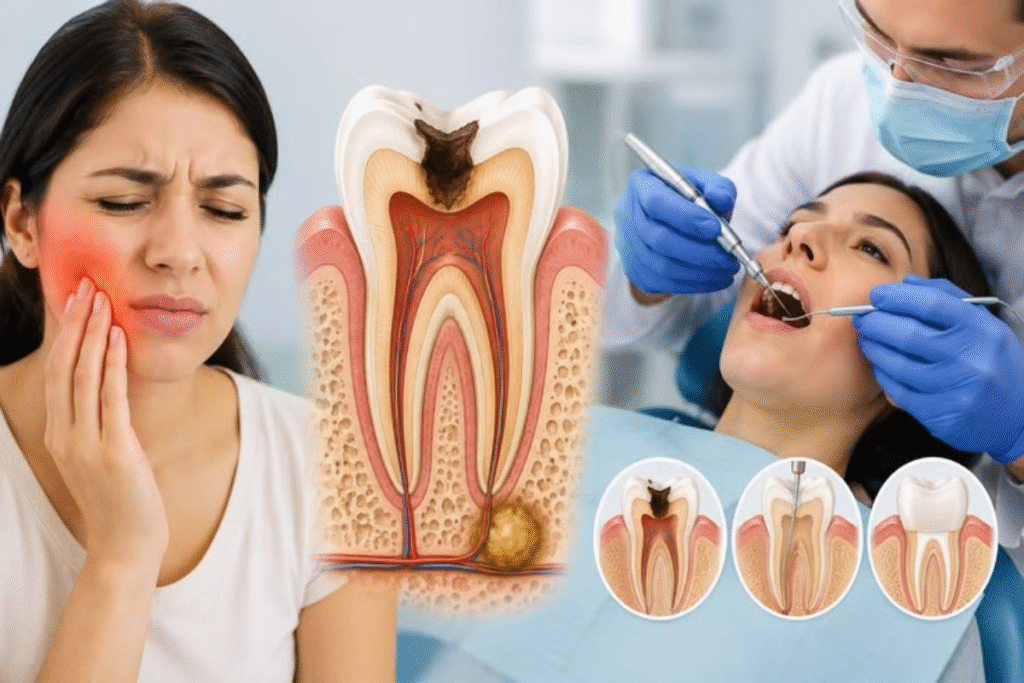
Tooth pain can make eating, drinking, speaking, and even sleeping uncomfortable. When a tooth becomes severely damaged or infected, simple home remedies may not provide lasting relief. In such cases, root canal treatment can help remove infection and protect the natural tooth. It is a commonly performed dental procedure designed to treat problems affecting the inner part of a tooth.
If you are experiencing persistent tooth pain or signs of infection, seeking timely care at a Dental Hospital in Gurgaon can help prevent the problem from worsening. Experienced dentists use advanced diagnostic tools and modern treatment techniques to preserve your natural teeth while ensuring a comfortable treatment experience.
Many people feel nervous when they hear the term root canal. However, modern dental techniques have made the treatment more comfortable and predictable. Understanding the procedure, benefits, cost factors, and aftercare can help patients make informed decisions about their dental health.
What Is Root Canal Treatment?
A root canal is a dental treatment used when the pulp, or soft tissue inside a tooth, becomes inflamed or infected. The pulp contains nerves and blood vessels. Deep tooth decay, cracks, trauma, or repeated dental procedures can allow bacteria to reach this area.
During root canal treatment, the infected or damaged pulp is carefully removed. The dentist cleans and disinfects the inside of the tooth before filling and sealing it. A dental crown may then be recommended to strengthen and protect the treated tooth, especially when a significant amount of tooth structure has been lost.
The main goal is to eliminate infection while preserving the natural tooth rather than removing it.
When Do You Need a Root Canal?
Not every toothache requires a root canal. However, certain symptoms may indicate that the infection has reached the tooth pulp. Common signs include persistent toothache, sensitivity to hot or cold foods, pain while chewing, swelling around the tooth, gum tenderness, or a darkening tooth.
Sometimes an infected tooth may not cause noticeable pain. A dental examination and X-ray can help identify problems that may not be visible from the outside.
If symptoms continue for several days or become severe, consulting a dentist is important. Delaying treatment can allow infection to spread to surrounding tissues.
Common Causes of Tooth Infection
Deep dental cavities are one of the most common causes of pulp infection. When decay progresses through the outer layers of the tooth, bacteria can eventually reach the pulp.
Other possible causes include a cracked or fractured tooth, dental trauma, repeated procedures on the same tooth, and severe wear. Poor oral hygiene can increase the risk of tooth decay and gum problems, which may eventually contribute to dental infections.
Regular dental checkups can help detect cavities and other dental problems before they become more complicated.
Understanding the Root Canal Procedure
The root canal procedure generally involves several important steps. The exact treatment plan depends on the condition of the tooth and the dentist’s assessment.
Dental Examination
The dentist first examines the affected tooth and may recommend an X-ray. This helps determine the extent of infection and the condition of the surrounding bone and tissues.
Local Anesthesia
Local anesthesia is generally used to numb the treatment area. This helps make the procedure more comfortable for the patient.
Removing the Infected Pulp
The dentist creates a small opening in the tooth and carefully removes the infected or damaged pulp from inside the tooth.
Cleaning and Disinfection
After removing the pulp, the root canals are cleaned and disinfected. This step is important for reducing bacteria and removing infected material.
Filling and Sealing
Once the canals have been properly cleaned, they are filled with a suitable dental material and sealed to reduce the risk of reinfection.
Tooth Restoration
After the root canal, the tooth may need a filling or dental crown depending on how much natural tooth structure remains. A crown can provide additional strength and protection against future damage.
Benefits of Root Canal Treatment
There are several important root canal treatment benefits for patients with an infected or severely damaged tooth.
One major benefit is that the natural tooth can often be preserved. Keeping the natural tooth can help maintain normal chewing function and prevent unnecessary movement of neighboring teeth.
Another benefit is relief from infection-related pain. By removing infected pulp and cleaning the root canals, the source of infection can be addressed.
Additional root canal treatment benefits include protection against the spread of infection, restoration of normal dental function, and the possibility of maintaining the treated tooth for many years with proper care.
Preserving the natural tooth can also reduce the need for tooth extraction and replacement options such as bridges or implants.
What Factors Affect Root Canal Treatment Cost?
One of the most common questions patients ask is about root canal treatment cost. The final cost can vary from patient to patient because several factors influence the treatment.
The location of the tooth is one factor. Front teeth often have simpler root structures, while molars can have multiple canals and may require more complex treatment.
The severity of infection can also affect the overall expense. If the infection is advanced or additional dental procedures are required, the treatment may involve additional costs.
The dentist’s experience, clinic facilities, diagnostic requirements, type of restoration, and whether a crown is needed can also influence the total root canal treatment cost.
Instead of choosing a dental clinic based only on price, patients should consider the dentist’s expertise, hygiene standards, diagnostic facilities, treatment quality, and follow-up care.
Aftercare Following Root Canal Treatment
Following the dentist’s instructions after treatment can support healing and protect the treated tooth. Patients may experience mild sensitivity or discomfort for a short period after the procedure.
Avoid chewing hard foods on the treated tooth until the dentist confirms that it is safe, particularly if a permanent crown has not yet been placed. Maintain regular brushing and flossing, but be gentle around any sensitive area.
If a crown or permanent restoration has been recommended, completing that step on time is important. A weakened tooth can be more vulnerable to fracture without proper protection.
Patients should contact their dentist if they experience severe or persistent pain, significant swelling, or other unusual symptoms after treatment.
How to Prevent the Need for Root Canal Treatment
Prevention starts with good oral hygiene. Brush twice a day using fluoride toothpaste and clean between your teeth regularly. Limit frequent consumption of sugary foods and drinks, as excessive sugar can contribute to tooth decay.
Routine dental checkups can help identify cavities, cracks, and other problems at an early stage. Early treatment may prevent minor dental issues from progressing into deeper infections.
People who participate in sports should consider appropriate protective equipment to reduce the risk of dental injuries.
Root Canal Treatment in Unnao
Patients looking for root canal treatment in unnao should consider choosing a dental facility where proper examination, diagnosis, treatment planning, and follow-up care are available.
Before starting treatment, patients can ask the dentist about the condition of the tooth, the expected treatment steps, restoration requirements, and estimated root canal treatment cost. Understanding the treatment plan can make the process less stressful and help patients prepare for their dental care.
A professional dental evaluation is particularly important when symptoms such as persistent tooth pain, swelling, sensitivity, or pain while chewing are present.
Conclusion
A damaged or infected tooth does not always need to be removed. Root canal treatment can provide an opportunity to remove infection, relieve symptoms, and preserve the natural tooth. Understanding the root canal procedure, expected root canal treatment cost, and root canal treatment benefits can help patients feel more confident about seeking care.
While dental issues should always be treated by qualified dental professionals, many patients also prefer healthcare facilities that offer comprehensive medical services. A General Surgery Hospital Sohna Gurgaon with access to multiple specialties can provide coordinated care when patients have additional medical conditions that require attention alongside their dental treatment.
If you are experiencing persistent tooth pain, sensitivity, swelling, or discomfort while chewing, consult a qualified dentist for an examination. For people searching for root canal treatment in Unnao, a professional evaluation can help determine whether a root canal or another dental treatment is appropriate for their condition.