10 Signs You Need to Visit a Dentist for Better Oral Health

Why Regular Dental Checkups Are Essential
July 16, 2026
Dental Crowns vs Bridges: Which Is Better for You?
July 22, 2026
Most of us only think about when to see a dentist after something has already started hurting. But by the time pain shows up, the underlying problem has often been developing quietly for weeks or even months. Knowing the early signs you need to visit a dentist can save you from unnecessary pain, expensive treatments, and long-term damage to your oral health.
If you notice persistent tooth sensitivity, bleeding gums, bad breath, or discomfort while chewing, don’t ignore these warning signs. Seeking timely care at the Best Dental Hospital in Sohna Gurgaon can help identify dental issues early and prevent them from becoming more serious. Regular dental checkups also play a vital role in maintaining healthy teeth and gums, even if you aren’t experiencing noticeable pain.
This guide walks you through the 10 most important warning signs your body sends when it’s time to book that appointment — and why ignoring them is never a good idea.
Why Recognizing These Signs Matters
Your mouth is often the first place your body shows signs of trouble — not just with your teeth and gums, but sometimes with your overall health too. Regular dental checkups help catch small issues before they become big, expensive ones. Unfortunately, many people wait until they’re in serious discomfort before making an appointment. Let’s change that by breaking down the clearest signals your teeth and gums send when something’s wrong.
1. Persistent Toothache
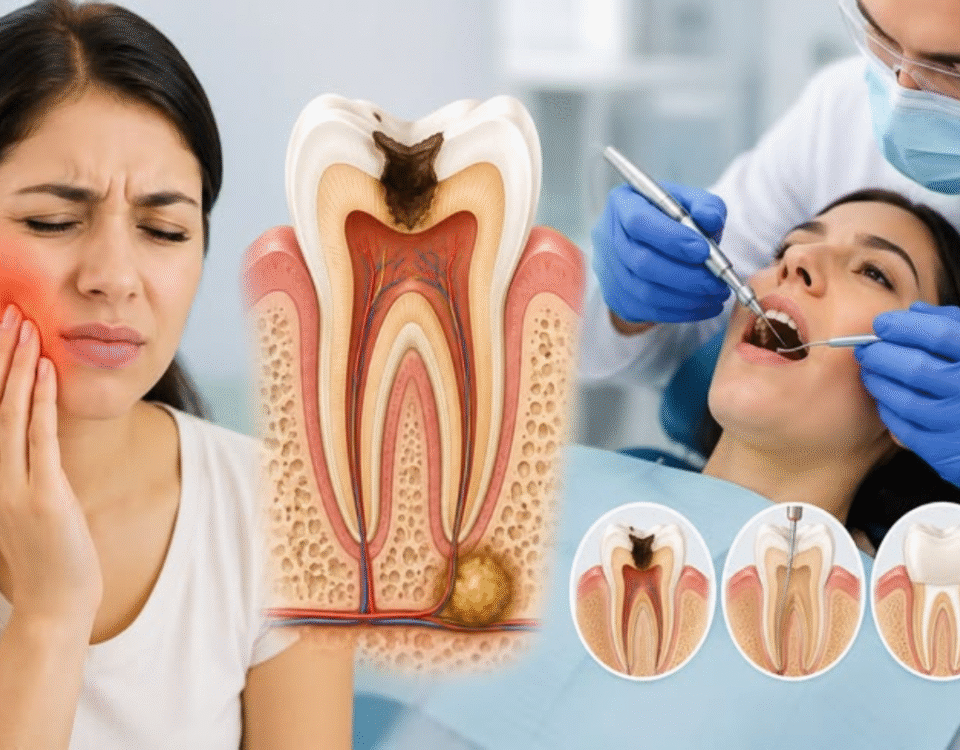
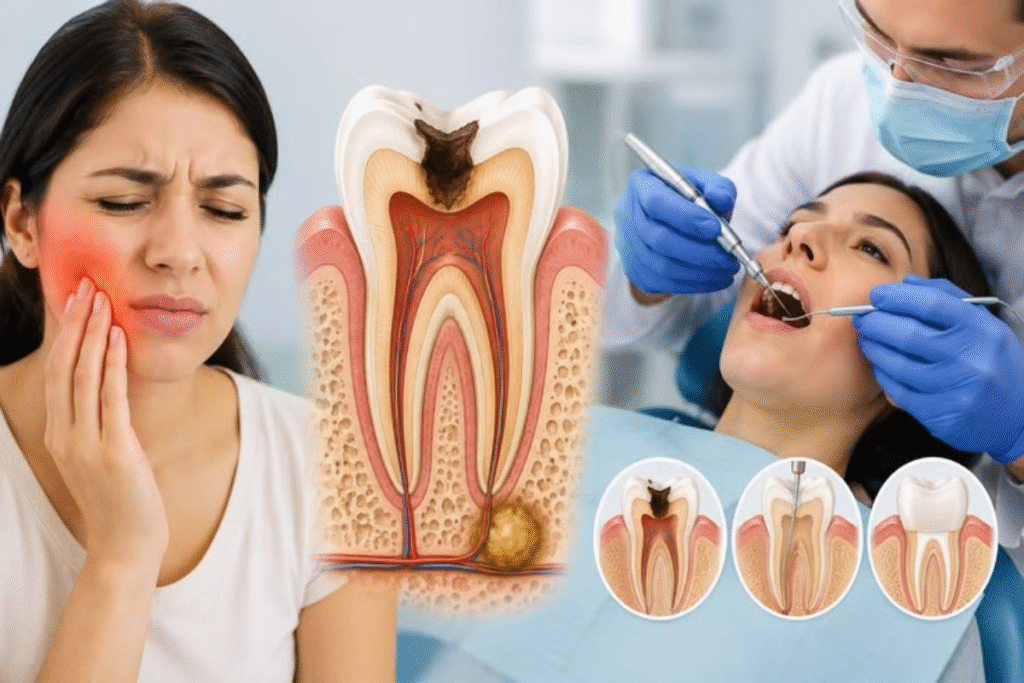
A toothache that doesn’t go away within a day or two is one of the most obvious signs you need to visit a dentist. Occasional sensitivity to hot or cold is normal, but constant, throbbing, or sharp pain usually points to something deeper — like a cavity, infection, or nerve damage. Don’t just pop a painkiller and hope it goes away. A lingering toothache is your body’s way of asking for professional attention.
2. Bleeding Gums
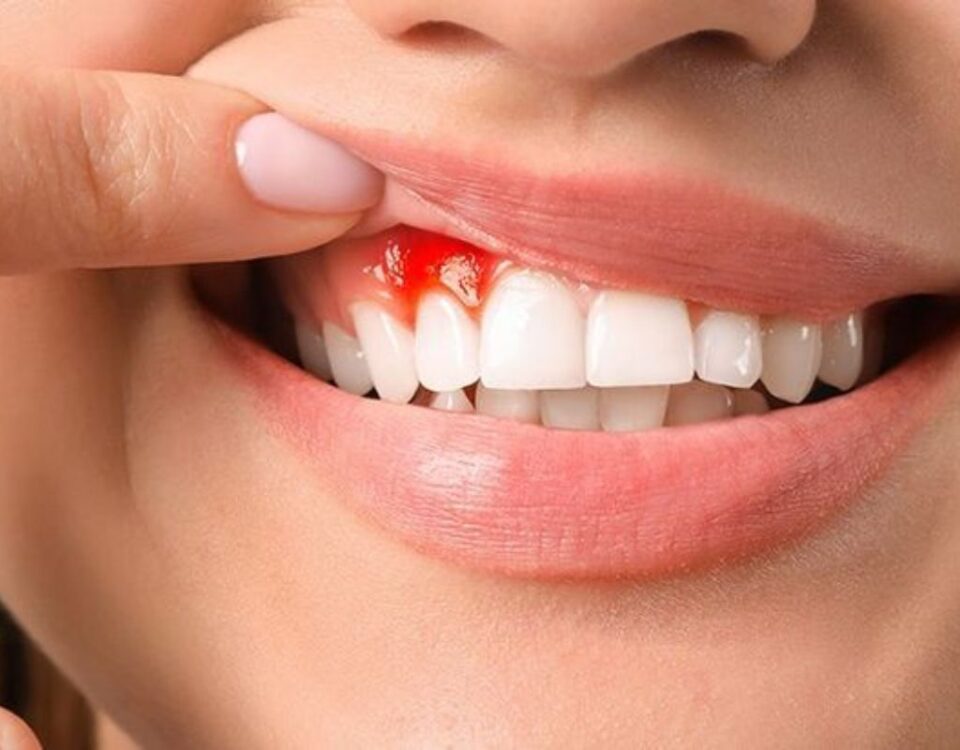
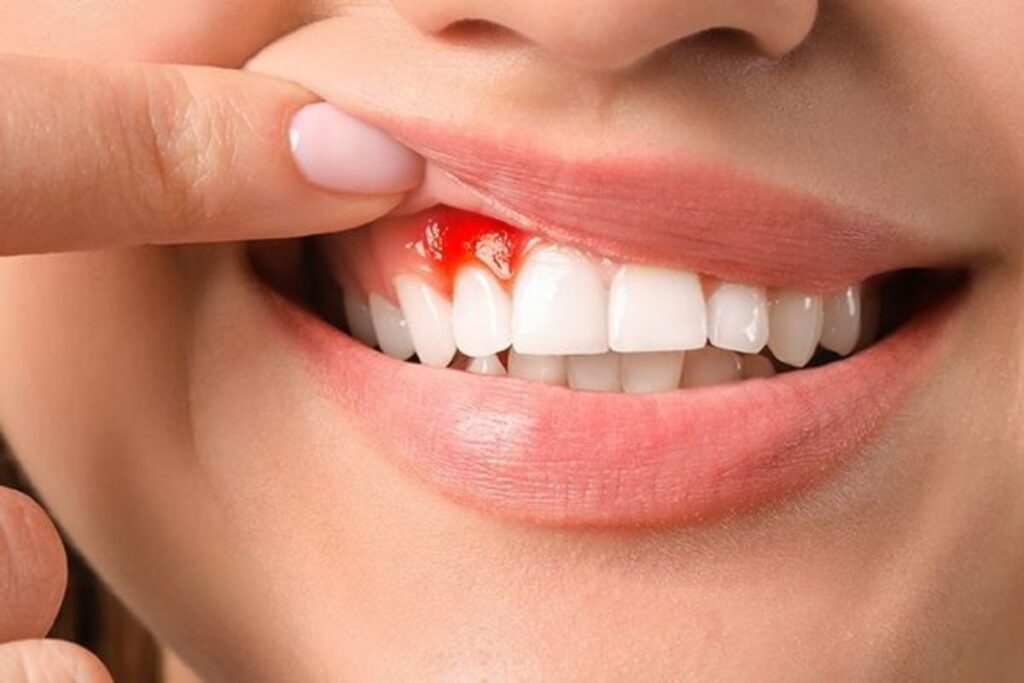
If you notice bleeding gums every time you brush or floss, that’s not something to brush off (pun intended). Occasional light bleeding from overly vigorous brushing is one thing, but consistent bleeding is often an early sign of gingivitis — the first stage of gum disease. Left untreated, gingivsitis can progress to periodontitis, which can eventually lead to tooth loss. A dentist can identify the cause and help reverse the damage early.
3. Chronic Bad Breath
Everyone has bad breath occasionally — after garlic-heavy meals or first thing in the morning. But if bad breath (medically known as halitosis) persists no matter how much you brush, floss, or use mouthwash, it could be a sign of an underlying dental issue such as gum disease, tooth decay, or even a bacterial infection. Chronic bad breath is one of those signs you need to visit a dentist that people often dismiss simply because it feels embarrassing rather than “serious.”
4. Tooth Sensitivity
Do you wince when you sip something hot or bite into ice cream? Occasional mild sensitivity isn’t always alarming, but frequent or sudden tooth sensitivity can indicate enamel erosion, a cracked tooth, or exposed roots due to receding gums. This is a classic example of an early warning sign that’s easy to ignore until it becomes a much bigger, more painful problem.
5. Swollen or Receding Gums
Healthy gums should be firm and pink — not puffy, red, or pulling away from your teeth. Swelling can indicate infection or inflammation, while receding gums expose the sensitive root surface of your teeth, increasing your risk of decay and sensitivity. Both are strong signals for a dental checkup, especially if they’re accompanied by discomfort or bleeding.
6. Loose or Shifting Teeth
Adult teeth are meant to stay firmly in place. If you notice any looseness, gaps forming, or teeth shifting position, this could indicate advanced gum disease, bone loss, or even teeth grinding (bruxism). This is one of those signs you need to visit a dentist immediately, as tooth mobility often signals a more advanced stage of oral health decline that needs prompt intervention.
7. Jaw Pain or Clicking
Do you experience pain, popping, or clicking when you open and close your mouth? This could be a sign of temporomandibular joint (TMJ) disorder, teeth grinding, or bite misalignment. Jaw pain is frequently overlooked because people assume it’s unrelated to dental health, but a dentist can properly diagnose and treat the root cause — sometimes with a simple night guard, sometimes with more involved treatment.
8. Mouth Sores That Won’t Heal
Most canker sores and minor mouth irritations heal within one to two weeks. However, a sore, lump, or discoloration in your mouth that lingers beyond two weeks should never be ignored. While it’s often something minor, persistent sores can occasionally be an early indicator of more serious oral health conditions, making a dental visit essential for peace of mind and early detection.
9. Dry Mouth That Won’t Go Away
Occasional dry mouth after a workout or a night of poor sleep is normal. But chronic dry mouth (xerostomia) can increase your risk of cavities and gum disease because saliva plays a critical role in washing away bacteria and food particles. Persistent dry mouth can also be a side effect of medication or an underlying health condition, so it’s worth discussing with your dentist.
10. It’s Been Over Six Months Since Your Last Visit
Sometimes the clearest sign isn’t a symptom at all — it’s the calendar. Dental professionals generally recommend a dental checkup every six months, even if nothing feels wrong. Many oral health issues, like early cavities or the beginning stages of gum disease, don’t cause noticeable pain until they’ve progressed significantly. Preventive visits allow your dentist to catch problems while they’re still small, simple, and inexpensive to fix.
The Importance of Preventive Oral Health Care
Understanding these oral health signs isn’t about creating anxiety — it’s about empowering you to take control of your dental health before small issues become painful, expensive emergencies. Preventive care is always more affordable and less invasive than reactive treatment. A root canal, for example, costs significantly more (and hurts a lot more) than a simple filling caught early.
Beyond cost and comfort, oral health is deeply connected to your overall well-being. Research has linked gum disease to conditions like heart disease, diabetes, and respiratory issues. Taking care of your mouth is truly taking care of your whole body.
What Happens During a Dental Checkup?
If it’s been a while since your last visit, you might be wondering what to expect. A typical dental visit includes:
- A thorough cleaning to remove plaque and tartar buildup that brushing alone can’t tackle
- A visual examination of your teeth, gums, tongue, and the soft tissues of your mouth
- X-rays (if needed) to check for issues below the surface, like cavities between teeth or bone loss
- A gum health assessment to check for signs of gingivitis or periodontitis
- A conversation about your oral hygiene routine, diet, and any concerns you have
Most checkups take less than an hour, and the peace of mind you get is well worth the time investment.
Simple Habits to Maintain Good Oral Health Between Visits
While regular dental visits are essential, your daily habits play the biggest role in preventing these warning signs from showing up in the first place:
- Brush twice a day with fluoride toothpaste, using gentle circular motions for at least two minutes
- Floss daily to remove plaque between teeth where your toothbrush can’t reach
- Limit sugary and acidic foods, which contribute to enamel erosion and cavities
- Stay hydrated to keep saliva production healthy and wash away bacteria
- Avoid tobacco products, which significantly increase your risk of gum disease and oral cancer
- Replace your toothbrush every 3-4 months or sooner if bristles are frayed
Final Thoughts
Your mouth is constantly communicating with you — the question is whether you’re listening. From a nagging toothache to bleeding gums, chronic bad breath, or simply the passage of time since your last checkup, these 10 signs are your body’s way of asking for help before things get worse.
In some cases, untreated dental infections or advanced oral conditions may require multidisciplinary medical care beyond routine dentistry. Choosing a trusted General Surgery Hospital Sohna Gurgaon ensures that patients with complex oral or facial health concerns can receive timely evaluation and appropriate treatment under expert supervision.
Don’t wait for pain to force your hand. If you’ve noticed any of these symptoms, or if it’s simply been longer than six months since your last dental visit, now is the time to schedule an appointment. Your future self — and your smile — will thank you.