Menopause Diet & Nutrition: The Ultimate Guide to Eating Well Through Every Stage

Women’s Health: Obstetrics, PCOS & Menopause Explained
June 3, 2026
Dental Surgeon: Complete Guide to Dental Surgery, Treatments, and Oral Health Care
June 15, 2026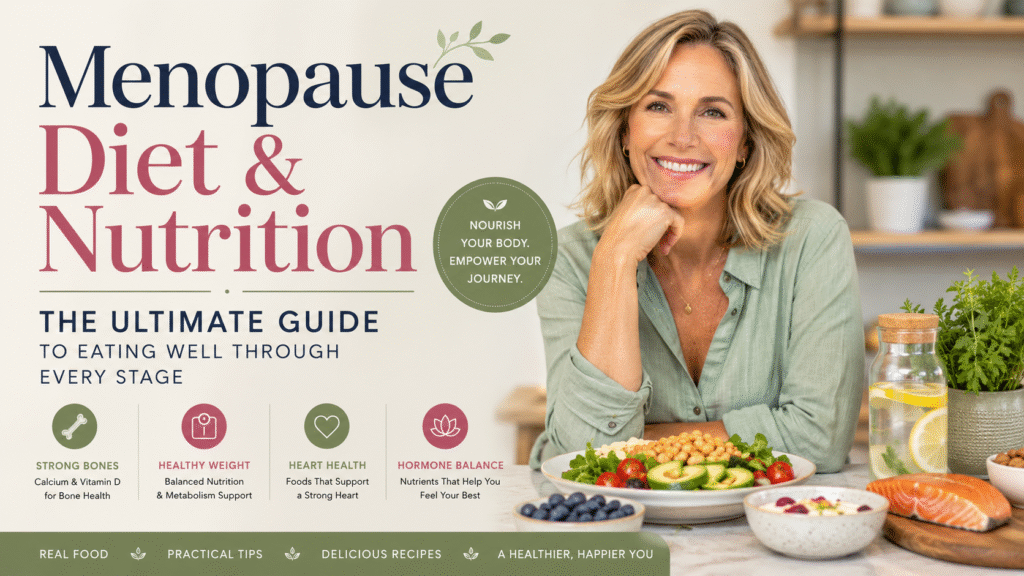
Menopause is a transformative chapter in every woman’s life — and what you eat during this time can make a profound difference in how you feel, function, and thrive. From managing the discomfort of hot flashes to protecting your bones against osteoporosis, the right nutritional choices can serve as one of your most powerful tools during this transition.
For women seeking personalized guidance on managing menopause through nutrition, lifestyle changes, and medical support, consulting the Best Gynecologist in Gurgaon can provide valuable insights tailored to individual health needs and hormonal changes.
In this informational guide, we explore the science-backed connection between menopause and nutrition, highlight the best foods to eat, and offer practical advice on how to build a menopause-friendly plate — with and without Hormone Replacement Therapy (HRT).
Why Nutrition Matters So Much During Menopause
The connection between food and menopause is deeply biological. As estrogen levels decline during perimenopause and menopause, the body undergoes significant metabolic changes. The rate at which the body burns calories slows down. Fat distribution shifts — particularly toward the abdominal area. Bone density begins to decrease, raising the risk of osteoporosis. Blood sugar regulation becomes less efficient. Inflammation may increase, contributing to joint pain and fatigue.
All of these changes are influenced — either positively or negatively — by what you eat. A well-designed menopause diet does not just address symptoms like hot flashes; it lays the foundation for long-term cardiovascular health, bone strength, cognitive function, and emotional well-being.
For women who are using Hormone Replacement Therapy (HRT), good nutrition works synergistically with treatment to amplify benefits and reduce risks. For those who are not on HRT, diet becomes even more critical as a natural tool to manage hormonal changes and protect overall health.
Understanding Estrogen and Food
One of the most fascinating areas of menopause nutrition is the relationship between estrogen and certain foods. While no food can fully replace the estrogen your ovaries once produced, some foods contain plant-based compounds that mimic estrogen in the body — known as phytoestrogens.
Phytoestrogens: Nature’s Estrogen Mimics
Phytoestrogens bind to estrogen receptors in the body and produce mild estrogen-like effects. They are found abundantly in:
- Soy products — tofu, tempeh, edamame, soy milk
- Flaxseeds — one of the richest sources of lignans, a type of phytoestrogen
- Legumes — lentils, chickpeas, kidney beans
- Whole grains — oats, barley, wheat bran
- Sesame seeds and dried fruits such as apricots and dates
Research suggests that women who consume diets rich in phytoestrogens — particularly those in Asian countries who eat significant amounts of soy — report fewer and less severe hot flashes compared to women on Western diets. While the effect is modest compared to Hormone Replacement Therapy (HRT), incorporating phytoestrogen-rich foods is a safe and evidence-supported dietary strategy for many women.
It is worth noting that women with a history of hormone-sensitive cancers should consult their doctor before significantly increasing phytoestrogen intake, as the evidence in this area is still evolving.
Foods That Help Manage Hot Flashes
Hot flashes are the hallmark symptom of menopause — sudden surges of heat that can disrupt daily life and disturb sleep. While hot flashes are driven primarily by the decline in estrogen and its effect on the brain’s temperature regulation center, certain foods are known to trigger or worsen them, while others may help reduce their frequency and severity.
Foods That May Reduce Hot Flashes
- Soy-based foods — as discussed, phytoestrogens in soy may help dampen the intensity of hot flashes for some women
- Flaxseeds — studies have shown that daily flaxseed consumption may reduce hot flash frequency
- Cooling foods — cucumbers, watermelon, leafy greens, and yogurt are traditionally considered cooling foods in many cultures and may help the body manage temperature fluctuations
- Omega-3 rich foods — fatty fish like salmon, sardines, and mackerel have anti-inflammatory properties that may help ease hot flashes
Foods and Habits That Trigger Hot Flashes
Equally important is knowing what to avoid. Common hot flash triggers include:
- Caffeine — coffee, tea, and energy drinks can stimulate the nervous system and worsen hot flashes
- Alcohol — particularly red wine, which is a well-documented hot flash trigger
- Spicy foods — chili, hot peppers, and heavily spiced dishes can raise body temperature and provoke hot flashes
- Sugary foods and refined carbohydrates — these cause blood sugar spikes that can worsen hormonal instability
Keeping a food diary to track which foods correlate with your hot flashes is a highly effective and individualized strategy.
Eating for Bone Health: Fighting Osteoporosis Through Diet
Of all the long-term health consequences of menopause, osteoporosis is among the most serious. The decline in estrogen during and after menopause directly accelerates bone loss, increasing the risk of fractures — particularly in the hip, spine, and wrist.
The good news is that nutrition plays a powerful and direct role in bone protection. A diet rich in calcium, Vitamin D, magnesium, and Vitamin K can significantly slow bone density loss and reduce the risk of osteoporosis.
Calcium: The Building Block of Bone
Calcium is the most critical mineral for bone health. Post-menopausal women require approximately 1,200 mg of calcium per day. The best dietary sources include:
- Dairy products — milk, cheese, and yogurt are the richest and most bioavailable sources
- Fortified plant milks — soy, almond, and oat milk fortified with calcium
- Leafy green vegetables — kale, bok choy, and broccoli
- Canned fish with bones — sardines and salmon
- Tofu made with calcium sulfate
- Almonds and chia seeds
It is important to spread calcium intake throughout the day, as the body can only absorb about 500 mg at a time. Consuming calcium-rich foods at multiple meals maximizes absorption and protects against osteoporosis.
Vitamin D: Calcium’s Essential Partner
Without sufficient Vitamin D, the body cannot properly absorb calcium — no matter how much you consume. Yet Vitamin D deficiency is extremely common, particularly in women who spend limited time outdoors or live in regions with limited sunlight.
Dietary sources of Vitamin D include:
- Fatty fish (salmon, tuna, mackerel)
- Egg yolks
- Fortified dairy and plant-based milks
- Mushrooms exposed to sunlight
Women at risk of osteoporosis often benefit from Vitamin D supplementation. The recommended daily intake for women over 50 is 800–1,000 IU, though your doctor may recommend more based on blood levels.
Magnesium and Vitamin K
Magnesium supports bone mineralization and is found in nuts, seeds, whole grains, and dark leafy greens. Vitamin K — particularly K2 — helps direct calcium into bones rather than arteries, and is found in fermented foods, green vegetables, and some cheeses.
Together, this nutritional team forms a powerful defense against osteoporosis during and after menopause.
Managing Weight During Menopause Through Diet
Weight gain — particularly around the abdomen — is a common and frustrating aspect of menopause. The decline in estrogen and the natural slowing of metabolism make it easier to gain weight and harder to lose it, even without significant changes in diet or activity.
The key dietary strategies for weight management during menopause include:
Prioritize Protein
Protein is essential during menopause for two reasons: it helps preserve lean muscle mass (which naturally declines with age and falling estrogen levels) and it promotes satiety, reducing overall calorie intake. Aim to include a source of quality protein at every meal:
- Eggs, chicken, turkey, fish
- Legumes — lentils, beans, chickpeas
- Greek yogurt and cottage cheese
- Tofu and tempeh
Choose Complex Carbohydrates
Refined carbohydrates and sugars cause rapid spikes in blood sugar and insulin — a pattern that promotes fat storage and worsens hot flashes. Swap white bread, white rice, and pastries for complex carbohydrates that digest slowly and provide sustained energy:
- Oats, quinoa, brown rice, whole wheat bread
- Sweet potatoes and legumes
- Vegetables of all kinds
Embrace Healthy Fats
Not all fats are equal. Healthy unsaturated fats — found in avocados, olive oil, nuts, and fatty fish — support hormonal health, reduce inflammation, and promote cardiovascular function. These fats also help the body absorb fat-soluble vitamins like Vitamin D and Vitamin K, both critical for osteoporosis prevention.
Stay Hydrated
Declining estrogen can cause dryness — not just in the vaginal area, but throughout the body. Adequate hydration supports skin health, digestion, energy levels, and can even help modulate the severity of hot flashes. Aim for 8–10 glasses of water per day, and include hydrating foods like cucumbers, watermelon, and soups.
The Role of Diet Alongside Hormone Replacement Therapy (HRT)
For women who are prescribed Hormone Replacement Therapy (HRT), diet remains a critically important complement to treatment. Hormone Replacement Therapy (HRT) addresses hormonal deficiency directly, but it does not replace the need for good nutrition.
In fact, certain nutritional practices are especially important for women on HRT:
- Adequate calcium and Vitamin D intake continues to protect bones, even when HRT is helping preserve bone density
- A diet rich in fruits, vegetables, and fiber supports liver health, which plays a role in metabolizing the hormones delivered through HRT
- Limiting alcohol is advisable for women on HRT, as alcohol can increase estrogen levels in the blood, potentially affecting treatment balance
- Maintaining a healthy weight through diet is important, as excess body fat can alter how HRT hormones are processed in the body
Women who manage their nutrition alongside Hormone Replacement Therapy (HRT) often report better overall outcomes — fewer hot flashes, stronger bones, more stable mood, and greater energy levels.
Key Nutrients to Prioritize During Perimenopause
Perimenopause is the ideal time to begin optimizing your diet — before menopause officially arrives. The hormonal fluctuations of perimenopause mean that the body’s nutritional needs are already shifting, and early dietary changes can ease the transition significantly.
Key nutrients to focus on during perimenopause include:
- Iron — irregular or heavier periods during perimenopause can deplete iron stores. Include lean red meat, spinach, lentils, and fortified cereals
- B Vitamins — B6 and B12 support mood stability and energy metabolism, which can be disrupted during perimenopause
- Omega-3 Fatty Acids — support brain health, reduce inflammation, and may ease hot flashes
- Antioxidants — Vitamins C and E, found in colorful fruits and vegetables, protect cells from oxidative stress that increases during hormonal transitions
- Calcium and Vitamin D — bone protection should begin during perimenopause, not after menopause has set in, to get ahead of osteoporosis risk
Starting these dietary habits early during perimenopause means entering menopause with stronger bones, better metabolic health, and a body that is better equipped to handle hormonal changes.
Sample Menopause-Friendly Daily Meal Plan
Here is a simple, practical meal plan that incorporates the key nutritional principles discussed above:
Breakfast: Oatmeal topped with ground flaxseeds, fresh berries, and a handful of walnuts — paired with a glass of fortified soy milk
Mid-Morning Snack: Greek yogurt with a drizzle of honey and a few almonds
Lunch: Grilled salmon over a bed of mixed greens, cherry tomatoes, cucumber, and avocado — dressed with olive oil and lemon
Afternoon Snack: A small handful of edamame or hummus with vegetable sticks
Dinner: Tofu and vegetable stir-fry with brown rice, seasoned with ginger and low-sodium soy sauce
Evening: A warm cup of chamomile tea with a small piece of dark chocolate
This meal plan delivers calcium, Vitamin D, phytoestrogens, omega-3 fatty acids, protein, and complex carbohydrates — all working together to support menopause health.
Conclusion
Menopause is a natural transition, but it does not have to be a difficult one. A thoughtful, informed approach to nutrition can make a remarkable difference in how you experience this stage of life. By choosing foods that support estrogen balance, actively working to prevent osteoporosis, managing hot flashes through dietary adjustments, and complementing any Hormone Replacement Therapy (HRT) with smart eating habits, you are giving your body exactly what it needs to navigate menopause with strength and vitality.
Whether you are in the early stages of perimenopause or well into post-menopause, it is never too early — or too late — to start eating well. Small, consistent dietary choices made today build the foundation for a healthier, more comfortable tomorrow.
Nourish your body, protect your bones, and embrace this chapter with confidence — because the right plate of food is one of the most empowering prescriptions available.