Dental Surgeon: Complete Guide to Dental Surgery, Treatments, and Oral Health Care

Menopause Diet & Nutrition: The Ultimate Guide to Eating Well Through Every Stage
June 12, 2026
Why Regular Dental Checkups Are Important
June 17, 2026
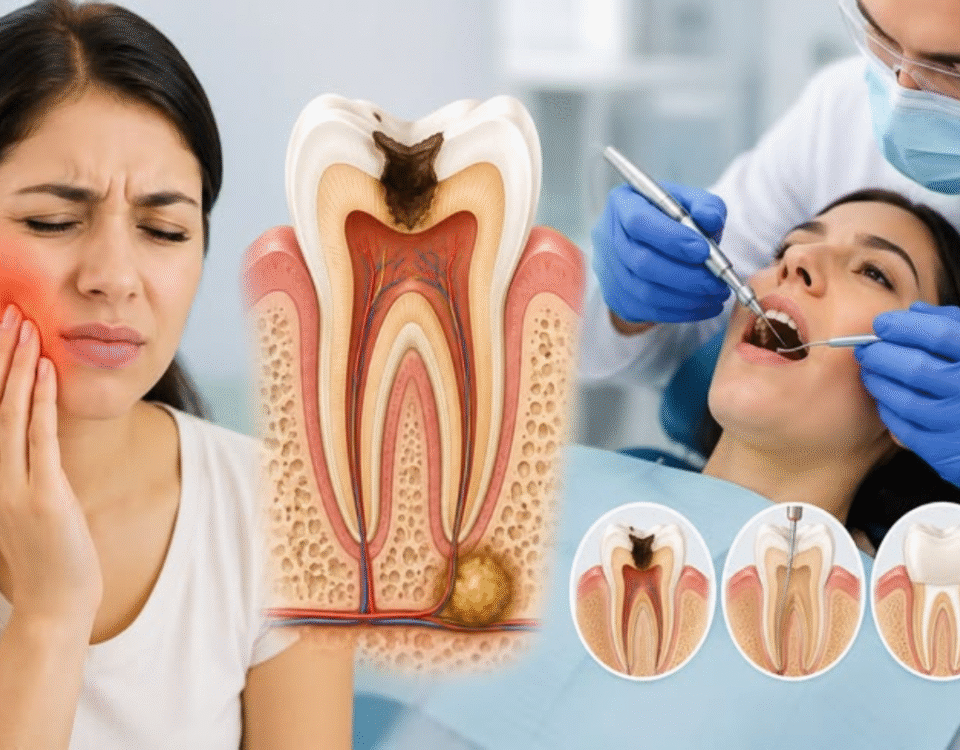
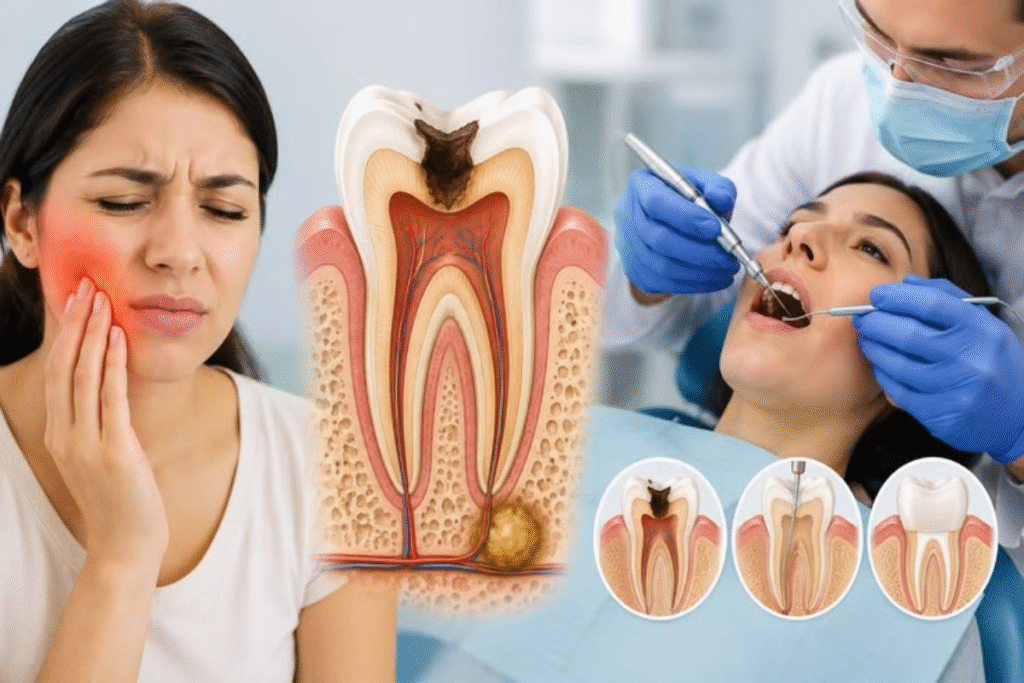
Oral health is an essential part of overall well-being, yet many people delay seeking professional treatment until they experience severe pain or discomfort. A dental surgeon plays a crucial role in diagnosing and treating complex dental conditions that require surgical intervention. Whether you need routine oral surgery, wisdom tooth removal, or advanced implant procedures, choosing the Best Dental Hospital in Sohna Gurgaon can significantly improve treatment outcomes and ensure access to experienced specialists and modern technology. From wisdom tooth extraction and dental implants to corrective jaw procedures, a dental surgeon helps patients restore oral function, improve appearance, and maintain long-term dental health.
Modern dentistry has evolved significantly over the years, offering advanced techniques and minimally invasive procedures that make treatment safer and more comfortable. Whether you need a routine tooth extraction or a more complex oral surgery, understanding the role of a dental surgeon can help you make informed decisions about your oral healthcare.
Who Is a Dental Surgeon?
A dental surgeon is a dental professional trained to perform surgical procedures involving the teeth, gums, jawbones, and other oral structures. These specialists diagnose and treat conditions that cannot be managed through general dental treatments alone.
A dental surgeon often works closely with other dental professionals to provide comprehensive care. Their expertise includes treating impacted teeth, placing dental implants, performing bone grafts, correcting jaw abnormalities, and addressing facial trauma.
In many cases, an oral and maxillofacial surgeon is considered a highly specialized type of dental surgeon who undergoes additional training to manage complex oral and facial conditions.
Why Might You Need a Dental Surgeon?
There are several situations where visiting a dental surgeon becomes necessary. Some common reasons include:
- Impacted wisdom teeth
- Severe tooth decay requiring extraction
- Missing teeth requiring dental implants
- Jaw alignment issues
- Oral infections
- Facial injuries affecting the mouth or jaw
- Gum disease requiring surgical treatment
- Bone loss in the jaw
Ignoring these conditions can lead to serious complications, including infection, chronic pain, difficulty eating, and long-term oral health issues.
Common Dental Surgery Treatments
A dental surgery treatment can address a wide range of oral health concerns. Here are some of the most common procedures performed by a dental surgeon.
1. Tooth Extraction
Tooth extraction is one of the most frequently performed surgical procedures. A tooth extraction specialist removes teeth that are damaged, infected, overcrowded, or impacted.
Reasons for tooth extraction include:
- Severe decay
- Advanced gum disease
- Impacted wisdom teeth
- Orthodontic treatment preparation
- Broken teeth beyond repair
Modern extraction techniques minimize discomfort and promote faster healing.
2. Wisdom Tooth Removal
Wisdom teeth often become impacted because there is insufficient space in the jaw. A dental surgeon removes these teeth to prevent complications such as:
- Pain
- Infection
- Swelling
- Tooth crowding
- Damage to adjacent teeth
Early removal can prevent future oral health problems.
3. Dental Implants
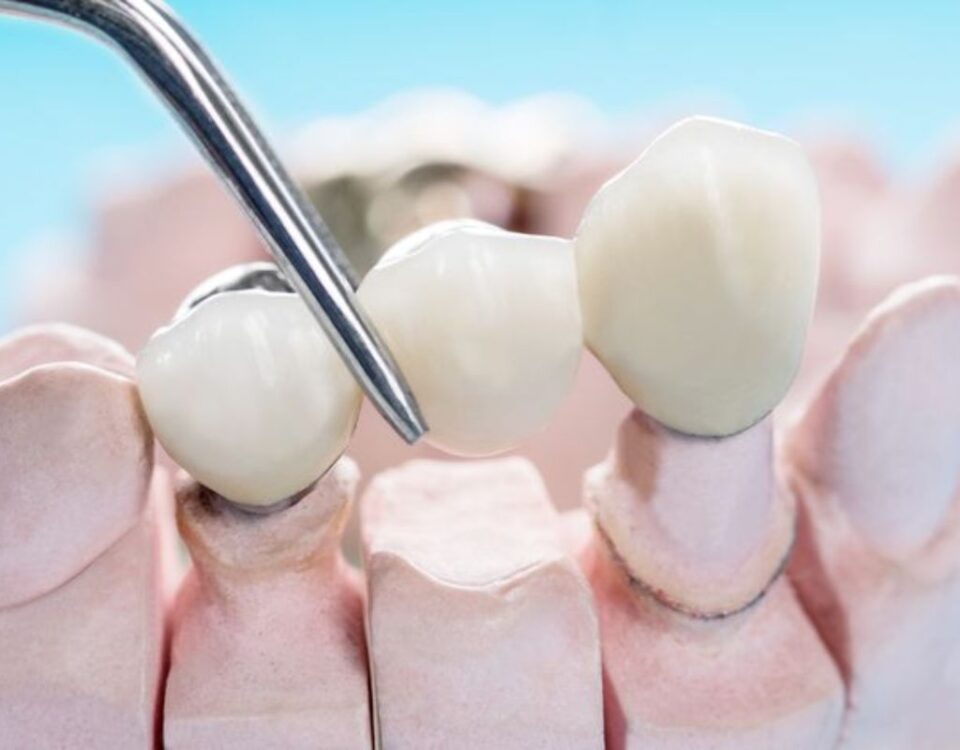
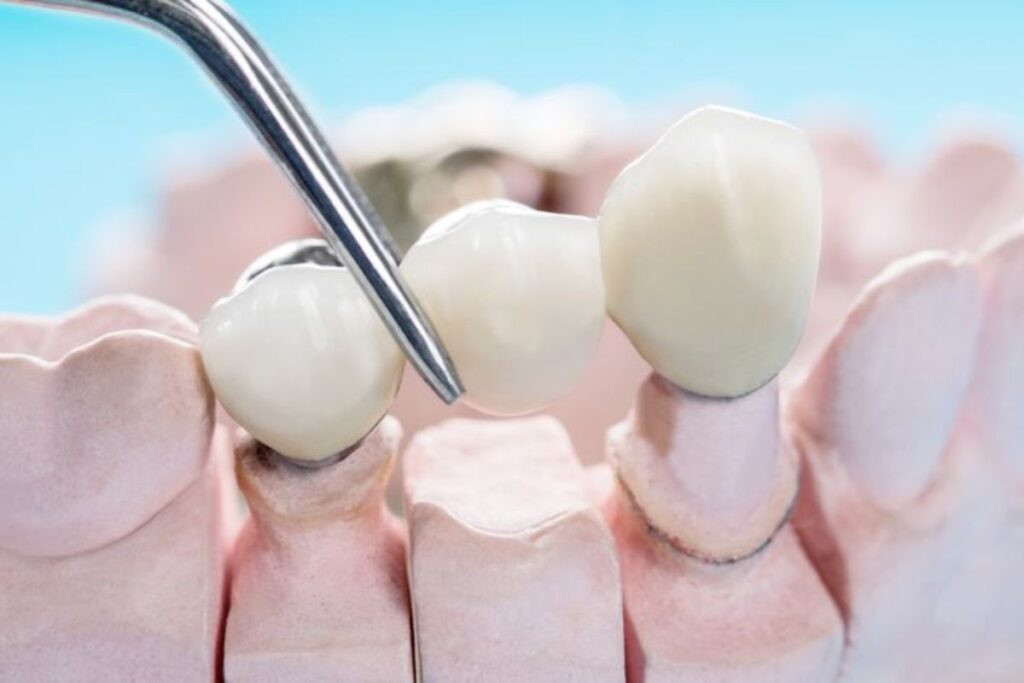
Dental implants are among the most successful dental surgery treatments available today. They replace missing teeth with artificial roots that support crowns, bridges, or dentures.
Benefits of dental implants include:
- Natural appearance
- Improved chewing ability
- Preservation of jawbone structure
- Long-lasting results
- Enhanced confidence
A skilled dental surgeon carefully places implants into the jawbone to ensure optimal stability and function.
4. Bone Grafting
Bone grafting is performed when the jawbone lacks sufficient density to support dental implants. This procedure helps regenerate bone and improve implant success rates.
A dental surgeon may recommend bone grafting before implant placement to create a strong foundation for the replacement tooth.
5. Gum Surgery
Advanced periodontal disease can damage the gums and supporting structures around the teeth. Surgical intervention may be necessary to:
- Remove infected tissue
- Reduce gum pockets
- Restore gum health
- Prevent tooth loss
Timely treatment can help preserve natural teeth and improve oral health.
Oral and Maxillofacial Surgery Explained
An oral and maxillofacial surgeon specializes in surgical procedures involving the mouth, jaw, face, and neck. These specialists handle more complex cases than general dentists.
Procedures commonly performed by an oral and maxillofacial surgeon include:
- Corrective jaw surgery
- Facial trauma reconstruction
- Oral cancer surgery
- Cleft lip and palate treatment
- Complex dental implant procedures
- TMJ disorder treatment
Their advanced training allows them to manage both functional and cosmetic concerns affecting the oral and facial regions.
Signs You Should Visit a Dental Surgeon
Many people are unsure when to seek specialized dental care. You should consult a dental surgeon if you experience:
Persistent Tooth Pain
Severe or ongoing tooth pain may indicate infection, nerve damage, or impacted teeth.
Swollen Gums
Chronic swelling could signal gum disease or an underlying oral infection.
Difficulty Chewing
Pain while eating may suggest structural issues requiring surgical correction.
Missing Teeth
A dental surgeon can evaluate your suitability for dental implants or other restorative procedures.
Jaw Pain
Jaw discomfort may indicate alignment problems or temporomandibular joint disorders.
Impacted Wisdom Teeth
Early evaluation can prevent serious complications and discomfort.
Benefits of Modern Dental Surgery Treatment
Advancements in dental technology have transformed the patient experience. Today’s dental surgery treatment options are more effective and comfortable than ever before.
Minimally Invasive Techniques
Modern procedures involve smaller incisions and faster healing times.
Better Pain Management
Local anesthesia and sedation options help ensure patient comfort throughout treatment.
Improved Accuracy
Digital imaging and 3D scanning allow precise diagnosis and treatment planning.
Faster Recovery
Innovative techniques reduce recovery periods and minimize post-operative discomfort.
Higher Success Rates
Modern surgical methods provide predictable and long-lasting results.
Dental Implants: The Gold Standard for Tooth Replacement
Missing teeth can significantly impact appearance, speech, and confidence. Dental implants offer a permanent solution that closely mimics natural teeth.
A dental surgeon begins by evaluating bone density and overall oral health before implant placement.
Advantages of Dental Implants
- Natural look and feel
- Improved chewing function
- Prevention of bone loss
- Long lifespan
- Easy maintenance
Unlike removable dentures, implants provide stability and comfort for everyday activities.
How to Choose the Best Dental Surgeon
Selecting the best dental surgeon is essential for achieving successful treatment outcomes.
Check Qualifications
Verify the surgeon’s education, certifications, and specialized training.
Review Experience
Look for professionals with extensive experience in the procedure you require.
Read Patient Reviews
Patient testimonials can provide insight into treatment quality and patient satisfaction.
Evaluate Technology
Modern clinics equipped with advanced technology often deliver more accurate and efficient care.
Discuss Treatment Options
The best dental surgeon will explain available treatments, risks, benefits, and expected outcomes in detail.
Consider Communication
Choose a professional who listens carefully and answers your questions thoroughly.
What to Expect During a Dental Surgery Procedure
Understanding the treatment process can reduce anxiety and help you prepare effectively.
Initial Consultation
Your dental surgeon will:
- Review your medical history
- Conduct an oral examination
- Take diagnostic images
- Develop a personalized treatment plan
Procedure Day
Depending on the surgery, local anesthesia, sedation, or general anesthesia may be used.
The dental surgeon performs the procedure using specialized instruments and advanced surgical techniques.
Recovery Phase
After surgery, patients receive detailed instructions regarding:
- Medication use
- Oral hygiene
- Diet modifications
- Follow-up appointments
Following these guidelines promotes proper healing and reduces complications.
Recovery Tips After Dental Surgery
Proper aftercare plays a major role in successful healing.
Follow Post-Operative Instructions
Always follow the guidance provided by your dental surgeon.
Maintain Oral Hygiene
Keep the surgical area clean while avoiding excessive brushing near the treatment site.
Eat Soft Foods
Choose foods such as:
- Yogurt
- Soup
- Mashed potatoes
- Smoothies
- Scrambled eggs
Stay Hydrated
Drink plenty of water throughout the recovery process.
Avoid Smoking
Smoking can delay healing and increase the risk of complications.
Attend Follow-Up Visits
Regular checkups allow the dental surgeon to monitor healing progress.
Preventing the Need for Future Dental Surgery
While some procedures are unavoidable, many oral health issues can be prevented through proactive care.
Brush and Floss Daily
Good oral hygiene reduces the risk of decay and gum disease.
Visit Your Dentist Regularly
Routine dental checkups help identify problems before they become severe.
Wear Protective Gear
Use mouthguards during sports activities to prevent dental injuries.
Avoid Tobacco Products
Tobacco use significantly increases the risk of oral disease.
Maintain a Healthy Diet
A balanced diet supports strong teeth and healthy gums.
The Future of Dental Surgery
Dental technology continues to advance rapidly. Innovations such as:
- Digital treatment planning
- Computer-guided implant placement
- Laser dentistry
- Regenerative therapies
- Artificial intelligence-assisted diagnostics
are making procedures more efficient and improving patient outcomes.
As these technologies become increasingly accessible, patients can expect even safer and more comfortable treatment experiences.
Conclusion
A dental surgeon plays a vital role in maintaining and restoring oral health through advanced surgical procedures. Whether you require wisdom tooth removal, dental implants, gum surgery, or treatment from an oral and maxillofacial surgeon, modern dental care offers effective solutions for a wide range of conditions.
Seeking timely dental surgery treatment can prevent complications, relieve pain, and improve your quality of life. If you are experiencing oral health concerns, consulting the best dental surgeon can help you receive a personalized treatment plan tailored to your needs.
Investing in professional dental care today can protect your smile, enhance your confidence, and support long-term oral health for years to come.