When Do Dentists Recommend Ceramic Veneers? A Complete Guide

Whole Abdomen Scan: Everything You Need to Know About Abdominal Ultrasound Tests
May 11, 2026
Women’s Health: Obstetrics, PCOS & Menopause Explained
June 3, 2026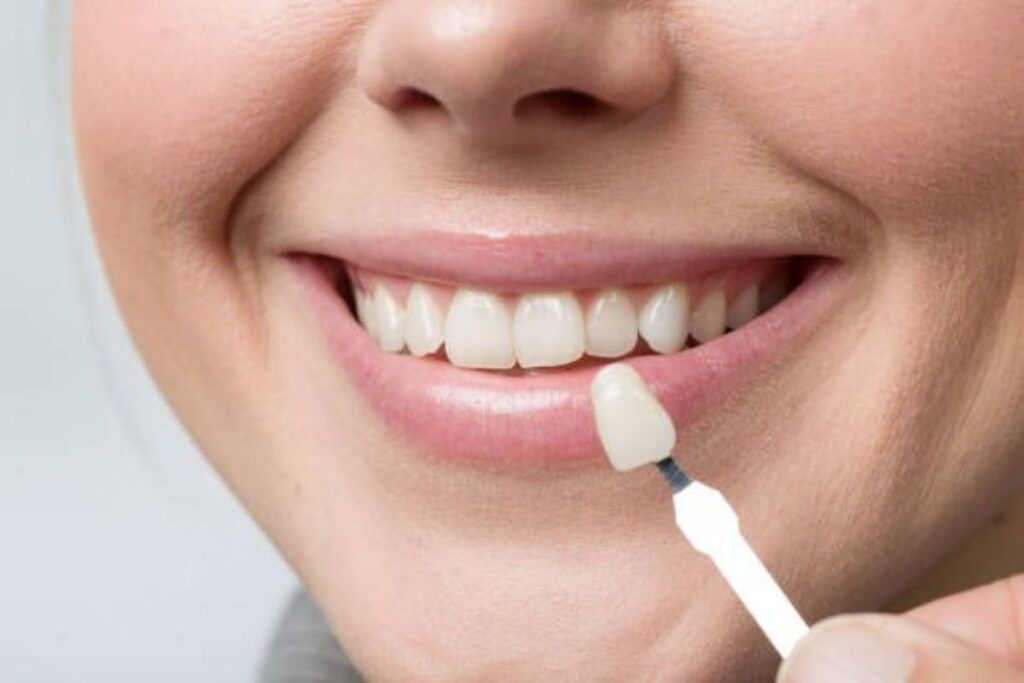
If you’ve ever looked in the mirror and wished your smile looked a little different, you’re not alone. Millions of people struggle with teeth that are stained, cracked, uneven, or worn down — and they’re turning to one increasingly popular solution: ceramic veneers. Choosing the Best Dental Hospital in Sohna Gurgaon can make all the difference when it comes to achieving a natural, confident smile with expert care and advanced dental treatments. But are ceramic veneers right for you? Understanding when dentists actually recommend them can help you make a confident, informed decision before stepping into the dentist’s chair.
What Are Ceramic Veneers?
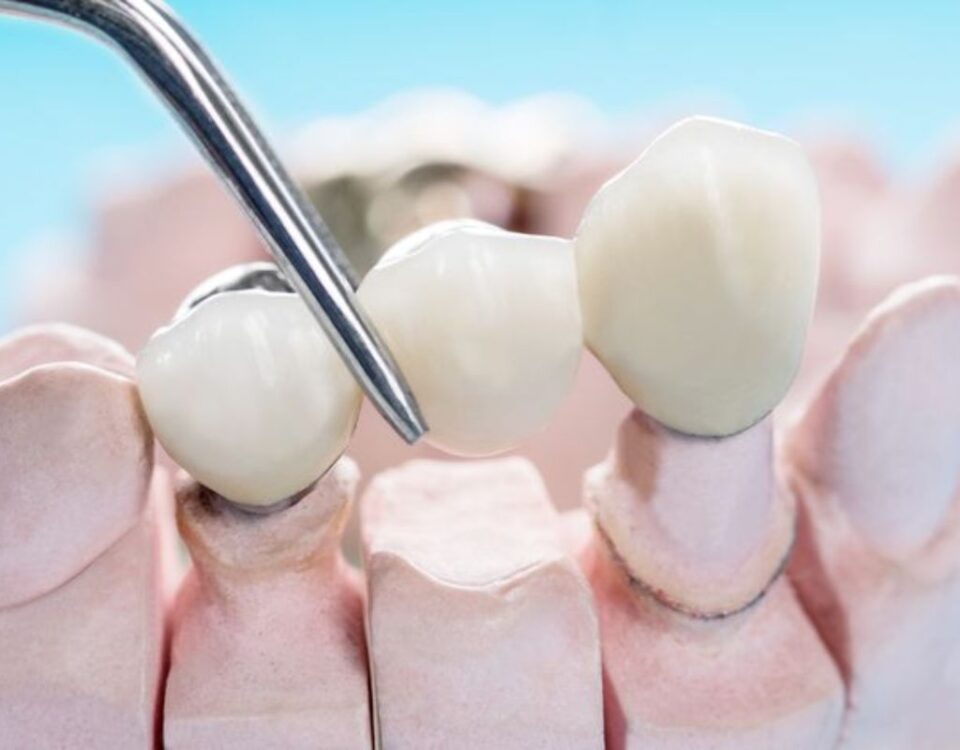
Ceramic veneers — also called porcelain veneers or dental veneers — are ultra-thin, custom-made shells of tooth-colored ceramic material. They are bonded directly to the front surface of your teeth to improve their appearance. Think of them as a precision cover that transforms the shape, color, size, or length of a tooth without requiring extensive dental work.
Unlike crowns, which cap the entire tooth, ceramic veneers are minimally invasive. A small amount of enamel is gently removed from the tooth’s surface to make room for the veneer — and the result is a natural-looking, long-lasting smile transformation.
Ceramic veneers are one of the most versatile cosmetic dental treatments available today. Dentists recommend them for a wide range of concerns, from purely aesthetic issues to more functional ones.
5 Key Reasons Dentists Recommend Ceramic Veneers
1. Severe Tooth Discoloration
One of the most common reasons dentists turn to ceramic veneers is tooth discoloration that simply won’t respond to whitening treatments.
Teeth can become discolored for many reasons — long-term consumption of coffee, tea, or red wine; smoking; certain medications like tetracycline antibiotics; or even fluorosis (excessive fluoride intake during childhood). While professional whitening treatments can address surface stains effectively, deep intrinsic discoloration — staining that comes from within the tooth structure itself — is much harder to treat.
In these cases, ceramic veneers offer a permanent and highly effective solution. The porcelain material used in veneers is not only stain-resistant but can be shaded to match the exact brightness and tone the patient desires. If tooth discoloration has made you self-conscious about smiling in photos or social situations, your dentist may well recommend ceramic veneers as the most reliable fix.
2. Chipped or Cracked Teeth
Another very common trigger for a ceramic veneer recommendation is chipped or cracked teeth. Accidents happen — a fall, a sports injury, biting down on something hard — and even a small chip can significantly affect the appearance of your smile.
Minor chips don’t always require extensive restorative work. When the structural integrity of the tooth is intact, a ceramic veneer can seamlessly cover the damaged area, restoring both the look and the smooth surface of the tooth. Dentists prefer this approach because it is conservative — it preserves as much of the natural tooth structure as possible while delivering a cosmetically excellent result.
It’s important to note that veneers are recommended for minor to moderate chipping. If chipped teeth are accompanied by more serious fractures or damage that affects the tooth root or pulp, a dentist may instead recommend a crown or other restorative treatment. During a consultation, your dentist will examine the severity of the chip and advise accordingly.
3. Teeth Misalignment (Minor Cases)
Ceramic veneers are sometimes called “instant orthodontics” — and while that’s a bit of an oversimplification, it captures why dentists recommend them for certain cases of teeth misalignment.
Traditional braces and clear aligners like Invisalign are the gold standard for correcting significant misalignment, bite issues, and overcrowding. However, for patients with mildly crooked, rotated, or unevenly spaced teeth who don’t want to commit to months or years of orthodontic treatment, ceramic veneers can provide a viable cosmetic alternative.
By carefully designing veneers with specific shapes and thicknesses, a skilled cosmetic dentist can create the appearance of straighter, more uniform teeth in just two to three appointments. This approach works best for minor misalignment where function is not affected. Dentists are careful to recommend this path only when the underlying bite and jaw structure are healthy — veneers cannot and should not replace orthodontic care when it is clinically necessary.
If you’ve been told your teeth are slightly crooked but your bite is fine, ask your dentist whether ceramic veneers might be an option for you.
4. Closing Gaps Between Teeth
Spaces between teeth — known as diastema — are another condition for which dentists frequently recommend ceramic veneers. While many people embrace their gap-toothed smile, others feel it affects their confidence and want a more uniform appearance.
For small to medium gaps, ceramic veneers can be crafted slightly wider than the natural teeth to fill in the space without the need for braces or other lengthy procedures. This is particularly common for a gap between the two front teeth (central diastema), though veneers can address spacing issues across multiple teeth as well.
Your dentist will assess the size of the gap and your overall dental anatomy to determine whether veneers are appropriate. Larger gaps or those associated with bite problems may still require orthodontic treatment first.
5. Worn Enamel
Perhaps one of the most overlooked reasons for recommending ceramic veneers is worn enamel. Tooth enamel — the hard outer layer protecting your teeth — can erode over time due to a number of factors: a highly acidic diet (frequent consumption of citrus fruits, sodas, and vinegar-based foods), acid reflux, bruxism (habitual teeth grinding), or simply the passage of time.
Once enamel wears away, it does not grow back. Worn enamel can cause teeth to look shorter, flatter, or more yellow (since the darker dentin beneath becomes more visible). It can also make teeth more sensitive to hot, cold, or sweet foods.
Ceramic veneers provide both a cosmetic and a protective function in cases of worn enamel. By covering the eroded surface, they restore the tooth’s original appearance and provide a durable shield against further sensitivity. Dentists will typically address the underlying cause of enamel erosion first — for example, fitting a night guard for patients with bruxism — before placing veneers to ensure their longevity.
Are Ceramic Veneers Right for You?
Now that you understand the key reasons dentists recommend ceramic veneers, the next question is whether you’re a good candidate. Here are the general criteria dentists look for:
- Good overall oral health: Veneers are a cosmetic treatment, so any underlying issues — tooth decay, gum disease, or active infections — must be treated first.
- Sufficient enamel: Because a thin layer of enamel is removed during preparation, patients need to have enough natural enamel for the veneer to bond effectively.
- Realistic expectations: Ceramic veneers are long-lasting (typically 10–15 years with proper care) but are not permanent. Understanding the commitment involved is important.
- No severe grinding: Patients with significant bruxism may be advised to address this first, as grinding can crack or dislodge veneers over time.
The Ceramic Veneer Process: What to Expect
If your dentist recommends ceramic veneers, the process typically unfolds over two to three appointments:
- Consultation and planning: Your dentist evaluates your teeth, discusses your goals, and takes impressions or digital scans. Some clinics offer digital smile design software so you can preview the expected results.
- Tooth preparation: A thin layer of enamel (usually less than a millimeter) is removed from the front of each tooth being treated. Temporary veneers may be placed while your custom veneers are being crafted at a dental laboratory.
- Bonding: Once your ceramic veneers are ready — usually within one to two weeks — they are carefully bonded to your teeth using a strong dental adhesive and a curing light. Your dentist will make final adjustments to ensure a perfect fit and bite.
The result? A completely transformed smile that looks and feels natural.
Caring for Your Ceramic Veneers
Ceramic veneers are durable, but they do require proper care to last as long as possible:
- Brush twice daily with a non-abrasive toothpaste
- Floss regularly to keep the gum line healthy
- Avoid biting hard objects (ice, pen caps, fingernails)
- Wear a night guard if you grind your teeth
- Visit your dentist for regular check-ups and cleanings
Avoid excessive consumption of staining foods and drinks — while porcelain is stain-resistant, the bonding cement at the edges can discolor over time.
Final Thoughts
Ceramic veneers are one of cosmetic dentistry’s most powerful tools — capable of addressing tooth discoloration, chipped teeth, minor misalignment, unwanted gaps, and worn enamel all in one elegant solution. They offer a durable, natural-looking result that can genuinely transform both your smile and your confidence.
That said, they are not a one-size-fits-all treatment. The best next step is a consultation with a qualified cosmetic dentist who can assess your individual situation and tell you clearly whether ceramic veneers are the right choice for your smile goals. With the right care and the right dental professional, a brilliant, lasting smile is closer than you think.