Severe Menstrual Pain: Causes, Relief, and When to See a Doctor

Root Canal Treatment: Procedure, Benefits, Cost and Aftercare
July 30, 2026
How to Treat Unusual Vaginal Discharge: Care, Treatment & Prevention
August 8, 2026
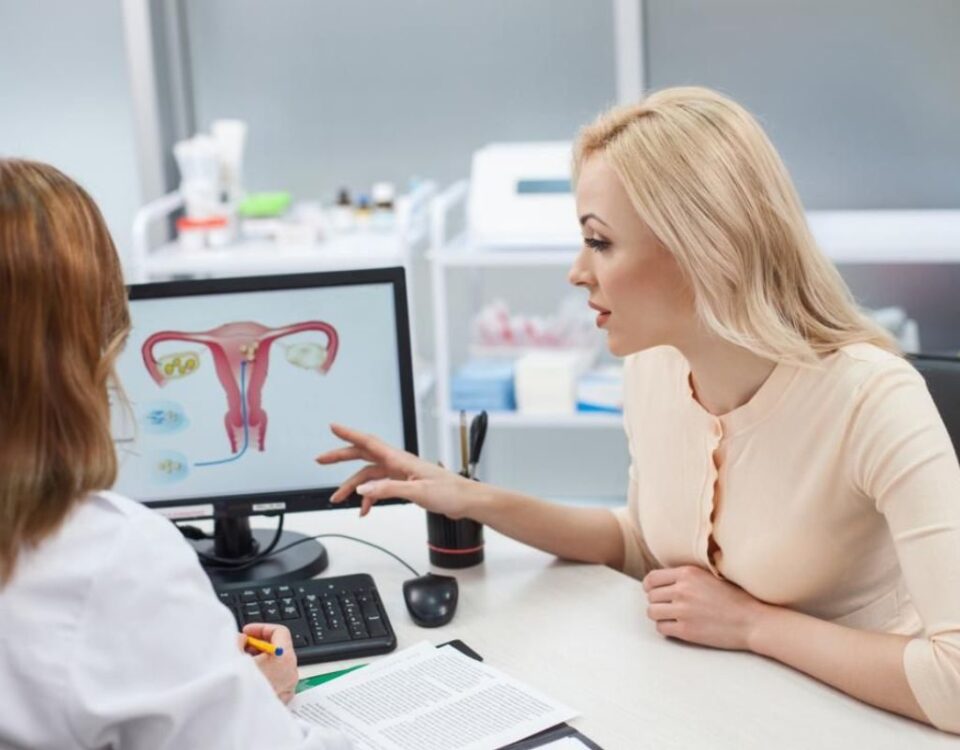
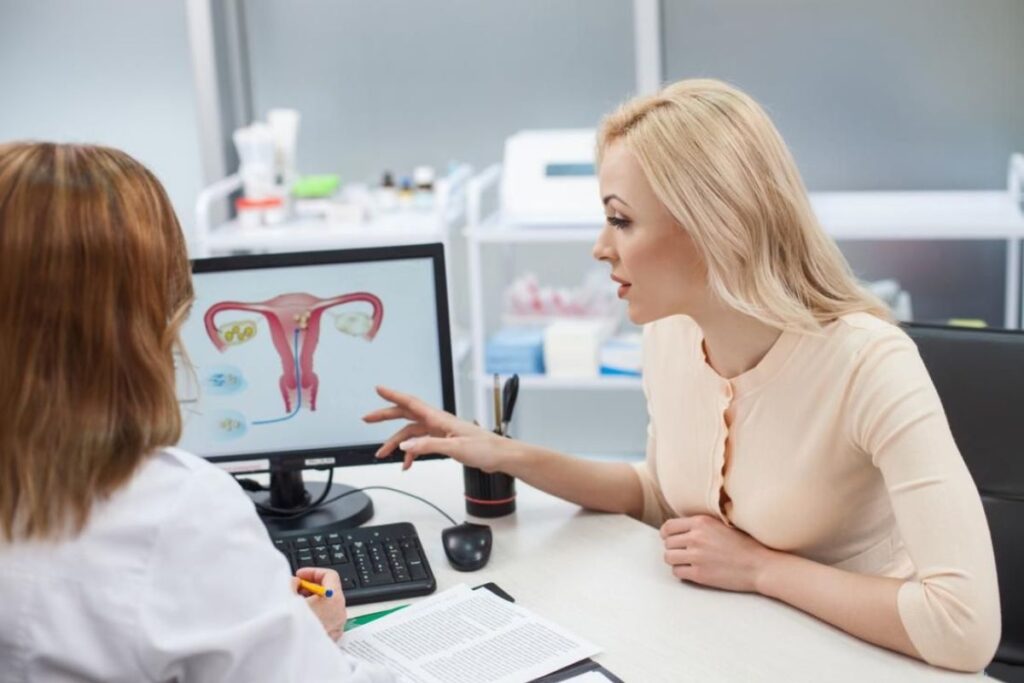
For many women, period pain is an occasional inconvenience. But for others, severe menstrual pain — medically known as dysmenorrhea — is debilitating enough to disrupt work, school, and everyday life. If you’ve ever had to cancel plans, call in sick, or curl up in bed because of period cramps, you’re not alone, and you’re not “overreacting.”
Research suggests that dysmenorrhea affects a significant portion of menstruating individuals at some point in their lives, with severity ranging from mild discomfort to pain intense enough to be temporarily disabling. Despite how common it is, severe menstrual pain is often normalized or dismissed — both by the people experiencing it and, unfortunately, sometimes by healthcare providers too. Seeking timely medical guidance from a General Surgery Hospital Sohna, Gurgaon can help individuals understand the underlying causes of persistent or severe menstrual pain and explore appropriate treatment options. This can prevent years of unnecessary suffering before a proper diagnosis or effective treatment plan is found.
Understanding what causes this pain, recognizing when it may signal something more serious, and knowing what treatment options exist are the first steps toward real relief.
What Is Dysmenorrhea?
Dysmenorrhea is the clinical term for painful menstrual cramps. It comes in two forms:
- Primary dysmenorrhea – pain caused by normal uterine contractions, with no underlying medical condition
- Secondary dysmenorrhea – pain caused by an underlying reproductive health issue, such as endometriosis or fibroids
Most people experience some degree of primary dysmenorrhea during their reproductive years, typically beginning within a few years of their first period and often easing somewhat with age or after childbirth. Symptoms usually start a day or two before bleeding begins and can last through the first few days of the period, sometimes accompanied by lower back pain, nausea, fatigue, or headaches.
Secondary dysmenorrhea, on the other hand, tends to behave differently. It often starts later in life, worsens progressively over time rather than staying consistent, and may not respond well to standard pain management. When the pain is severe, worsening over time, or unresponsive to typical pain relief, it may point to a secondary cause that deserves further investigation.
What Causes Severe Menstrual Pain?
The main driver behind menstrual cramps is a group of hormone-like compounds called prostaglandins. These are released by the uterine lining before and during your period, causing the uterus to contract in order to shed its lining. Higher levels of prostaglandins are directly linked to more intense cramping, nausea, and even diarrhea or headaches during menstruation.
While everyone produces prostaglandins, some people produce significantly more than others — which helps explain why period pain severity varies so widely from person to person. Higher prostaglandin levels don’t just affect the uterus, either; they can also cause the surrounding smooth muscle in the digestive tract to contract, which is why nausea, bloating, and diarrhea often accompany severe cramps.
Interestingly, prostaglandin levels tend to be highest during the first one to two days of a period, which is typically when pain peaks. This is also why anti-inflammatory pain relievers, which work by blocking prostaglandin production, tend to be most effective when taken proactively rather than after pain has already become severe.
Could It Be Endometriosis or Fibroids?
If your menstrual pain is severe, doesn’t improve with standard treatment, or is accompanied by other symptoms, it’s worth considering whether an underlying condition is involved.
Endometriosis occurs when tissue similar to the uterine lining grows outside the uterus — often on the ovaries, fallopian tubes, or pelvic lining. This misplaced tissue still responds to your menstrual cycle, thickening and breaking down each month, but it has no way to leave the body. The result can be intense pain, inflammation, and in some cases, fertility challenges. Endometriosis is one of the most common — and most under-diagnosed — causes of severe period pain.
Fibroids are noncancerous growths that develop in or around the uterus. Depending on their size and location, fibroids can cause heavy menstrual bleeding, prolonged periods, and significant cramping or pelvic pressure. Many people with fibroids don’t realize they have them until symptoms become disruptive.
Both conditions are treatable, but they require a proper diagnosis — self-managing severe pain for years without answers is common, but it doesn’t have to be your only option.
Treatment Options for Menstrual Pain
The right treatment depends on the cause and severity of your pain, but common approaches include:
NSAIDs (nonsteroidal anti-inflammatory drugs) Medications like ibuprofen and naproxen are often the first line of defense. NSAIDs work by reducing prostaglandin production, which directly targets the source of cramping. For best results, many doctors recommend starting NSAIDs a day before your period begins, rather than waiting until pain sets in.
Hormonal birth control Hormonal methods (the pill, patch, IUD, or ring) can reduce or eliminate ovulation and thin the uterine lining, often significantly reducing cramp severity over time.
Heat therapy Heating pads or hot water bottles applied to the lower abdomen can relax uterine muscles and ease cramping — studies show heat can be as effective as some pain medications for mild-to-moderate pain.
Lifestyle adjustments Regular exercise, adequate hydration, and reducing caffeine and salt intake around your period may help lessen symptoms for some people.
Medical or surgical treatment For confirmed cases of endometriosis or fibroids, treatment may involve targeted hormone therapy, minimally invasive procedures, or surgery, depending on severity and individual circumstances.
When to See a Doctor
Severe menstrual pain isn’t something you simply have to endure. Consider seeing a doctor if you experience:
- Pain that isn’t relieved by over-the-counter NSAIDs
- Cramps severe enough to interfere with work, school, or daily activities
- Pain that has gradually worsened over time
- Heavy bleeding, large clots, or periods lasting longer than seven days
- Pain outside of your period, such as during sex or bowel movements
- Fever alongside pelvic pain
These symptoms can indicate endometriosis, fibroids, or another underlying condition that benefits from proper diagnosis — and effective treatment options exist once the cause is identified.
Conclusion
Severe menstrual pain is common, but “common” doesn’t mean it should be dismissed. Whether your dysmenorrhea stems from elevated prostaglandins, endometriosis, fibroids, or another cause, understanding the source is key to finding real relief. For women seeking professional evaluation and treatment, a General Surgery Hospital Sohna, Gurgaon can provide access to appropriate medical care and guidance when menstrual pain becomes severe or persistent. From NSAIDs and heat therapy to hormonal treatment and medical evaluation, there are more options available today than ever before — you don’t have to just push through the pain every month.