How to Treat Unusual Vaginal Discharge: Care, Treatment & Prevention

Severe Menstrual Pain: Causes, Relief, and When to See a Doctor
August 7, 2026
Irregular Periods: Causes, Symptoms, and Treatment Options
August 11, 2026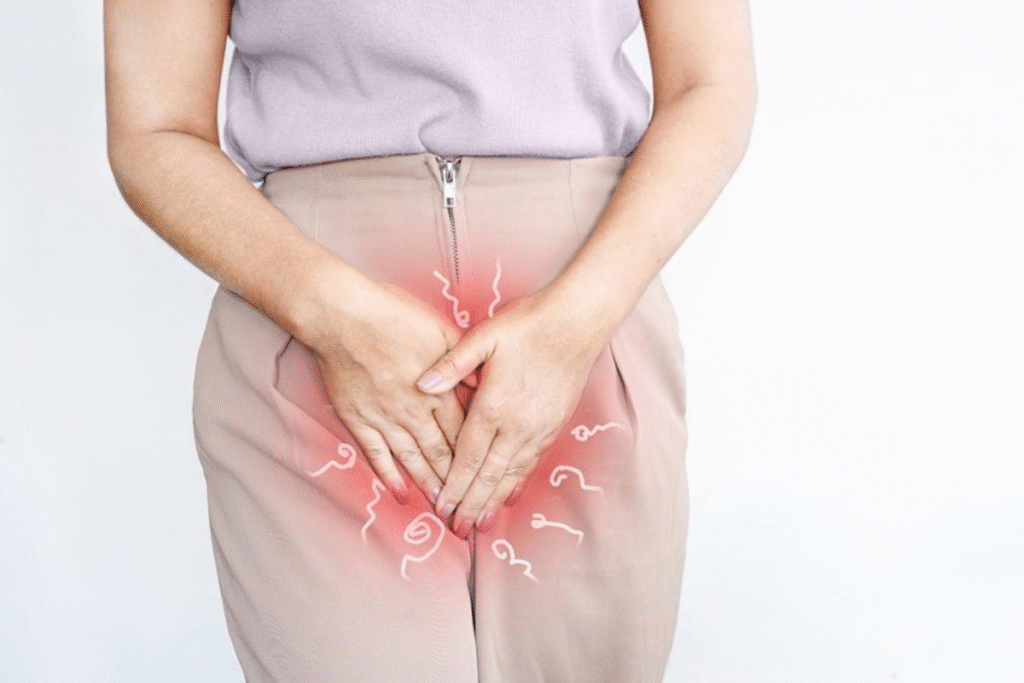
If you’ve noticed unusual vaginal discharge, the next question is usually: what do I do about it? The right treatment depends entirely on the underlying cause — what works for a yeast infection won’t help with bacterial vaginosis, and home remedies alone won’t clear up an STI. Consulting the Best Gynecologist in Gurgaon, Gynecologist can help ensure that the underlying cause is properly diagnosed and treated. This guide walks through treatment options by cause, along with prevention tips to reduce your risk of future flare-ups.
Why Identifying the Cause Matters First
Before starting any treatment, it helps to understand what’s driving the change. Vaginal discharge color changes, odor, and texture all offer clues:
- White, clumpy discharge with itching → often a vaginal yeast infection
- Grayish, thin discharge with a fishy smell → often bacterial vaginosis
- Yellow-green, frothy discharge → possibly trichomoniasis
- General irritation without a clear infection → could be vaginitis from a non-infectious cause (soap, fabric, allergens)
Treating the wrong condition — for example, using an antifungal cream on bacterial vaginosis — won’t resolve symptoms and can sometimes make things worse. When in doubt, a doctor’s visit and a simple swab test can confirm the cause in minutes.
Treating Vaginitis
Because vaginitis is an umbrella term covering several possible causes, treatment varies:
- Infectious vaginitis (yeast, bacterial, or parasitic) is treated with targeted antifungal, antibiotic, or antiparasitic medication.
- Irritant or allergic vaginitis often resolves once the irritating product (scented soap, laundry detergent, latex, spermicide) is removed.
- Atrophic vaginitis, more common after menopause due to lower estrogen levels, is often treated with topical estrogen therapy prescribed by a doctor.
A healthcare provider can distinguish between these types through a pelvic exam and lab testing, which is important since the treatments don’t overlap.
Treating Bacterial Vaginosis
Bacterial vaginosis is typically treated with prescription antibiotics, most commonly metronidazole or clindamycin, available as oral pills or vaginal gels/creams. A few things to know:
- Symptoms often improve within a few days, but it’s important to finish the full course of antibiotics even if you feel better.
- BV can recur, sometimes within months, even after successful treatment.
- Avoid alcohol while taking metronidazole, as it can cause a serious reaction.
- Probiotics (oral or vaginal) are sometimes recommended to help restore healthy bacterial balance, though evidence is still developing.
Because BV is not classified as an STI, partners typically don’t need treatment, though this can vary case by case — your doctor can advise.
Treating Vaginal Yeast Infections
Mild-to-moderate vaginal yeast infections are often treatable with over-the-counter antifungal creams, suppositories, or tablets (such as those containing miconazole or clotrimazole), typically used for 1 to 7 days depending on the product. A single-dose oral antifungal (fluconazole) is also commonly prescribed by doctors.
Tips for managing a yeast infection:
- Complete the full treatment course, even if symptoms improve early.
- Avoid tight, non-breathable underwear during treatment.
- If you get four or more yeast infections a year (recurrent yeast infections), see a doctor — this may require a longer treatment plan or testing for underlying causes like diabetes.
- Yeast infections are not sexually transmitted, but sexual activity can sometimes trigger irritation during an active infection.
Treating Trichomoniasis and Other STI-Related Discharge
Trichomoniasis and other STI-related causes of discharge (like chlamydia or gonorrhea) require prescription treatment — typically antibiotics such as metronidazole (for trichomoniasis) or other targeted antibiotics depending on the specific infection.
Important points for STI-related discharge:
- Sexual partners should also be tested and treated to prevent reinfection.
- Avoid sexual activity until both partners have completed treatment and symptoms have resolved.
- Follow-up testing may be recommended to confirm the infection has cleared.
- Left untreated, some STIs can lead to more serious reproductive health complications, so timely treatment matters.
Home Care Tips That Support (Not Replace) Treatment
While medical treatment addresses the underlying cause, these habits can support recovery and reduce irritation:
- Wear breathable cotton underwear and avoid tight-fitting clothing while symptoms resolve
- Skip douching — it disrupts natural bacteria and can worsen imbalances
- Avoid scented products (soaps, wipes, sprays) in the genital area
- Stay dry — change out of wet swimsuits or sweaty workout clothes promptly
- Wipe front to back to avoid introducing bacteria from the rectal area
- Stay hydrated and maintain a balanced diet, which can support overall immune and vaginal health
These steps won’t cure an infection on their own, but they can reduce discomfort and help prevent recurrence.
When Home Remedies Aren’t Enough
It’s tempting to try home remedies first — but some popular ones (like inserting garlic, yogurt, or essential oils into the vagina) aren’t well-supported by evidence and can sometimes cause more irritation. If you’re dealing with:
- Discharge with a strong odor
- Persistent itching or burning
- Discharge lasting more than a few days
- Pain during urination or sex
- Fever or pelvic pain
…it’s time to see a healthcare provider rather than continuing to self-treat. Getting an accurate diagnosis early usually means a faster, simpler resolution.
Preventing Future Episodes
Once your current symptoms are treated, a few habits can lower your risk of recurrence:
- Practice safe sex, including condom use, to reduce STI and BV risk
- Avoid unnecessary antibiotic use, which can disrupt healthy bacterial balance and trigger yeast infections
- Change tampons/pads regularly during your period
- Keep up with routine gynecological exams, even without symptoms
- Manage underlying health conditions (like diabetes) that can increase infection risk
Final Thoughts
Treating unusual vaginal discharge starts with figuring out the cause — whether it’s vaginitis, bacterial vaginosis, a yeast infection, or an STI like trichomoniasis. Each has a specific, effective treatment, and while good hygiene habits support recovery, they’re not a substitute for proper diagnosis and medication when needed. If symptoms persist, worsen, or come with pain, fever, or a strong odor, consulting a healthcare provider at a General Surgery Hospital Sohna, Gurgaon can help ensure timely evaluation and appropriate care.