Bleeding Gums: Causes, Symptoms, Prevention, and Treatment

Irregular Periods: Causes, Symptoms, and Treatment Options
August 11, 2026
Loose Teeth in Adults: Causes and Treatment
August 20, 2026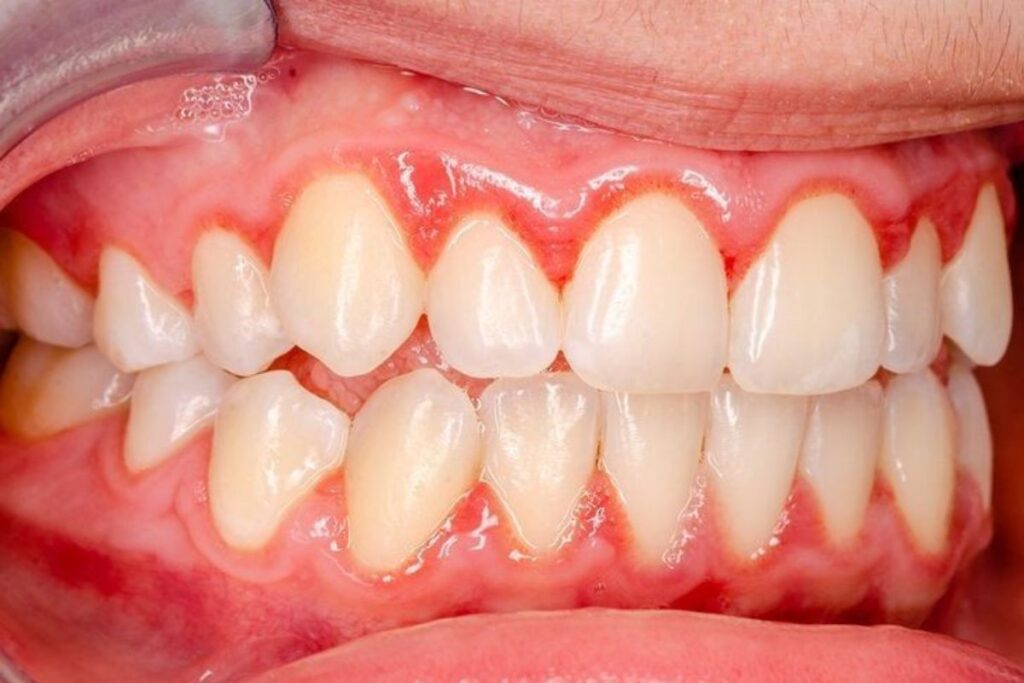
Bleeding gums are a common oral health concern that many people notice while brushing, flossing, or eating. Although occasional bleeding may seem harmless, frequent bleeding should not be ignored. It can be a sign that the gums are irritated, inflamed, or affected by an underlying dental problem. Understanding the causes of bleeding gums, recognizing associated symptoms, and maintaining proper oral hygiene can help protect your teeth and gums.
Healthy gums generally appear firm and pink and should not bleed regularly. If you notice blood around your gums repeatedly, consulting a Top Dentist in Gurgaon can help identify the possible cause rather than simply avoiding brushing the affected area. Early attention can often
What Causes Bleeding Gums?
Several factors can contribute to gum bleeding. The most common cause is inadequate oral hygiene, which allows plaque to build up around the teeth and gumline. Plaque contains bacteria that can irritate gum tissue and cause inflammation.
1. Gingivitis
Gingivitis is one of the most common causes of bleeding gums. It develops when plaque accumulates along the gumline and causes inflammation. The gums may become red, swollen, tender, and more likely to bleed during brushing or flossing.
The good news is that gingivitis can often be managed with improved oral hygiene and professional dental care. If left untreated, however, it may progress to a more advanced form of gum disease.
2. Periodontitis
Periodontitis is a more serious form of gum disease that can affect the tissues and bone supporting the teeth. Symptoms may include persistent gum bleeding, gum recession, bad breath, loose teeth, or changes in how the teeth fit together.
Because periodontitis can cause permanent damage to the structures supporting the teeth, professional evaluation is important when symptoms continue or become more severe.
3. Brushing Too Hard
Using excessive force while brushing does not necessarily clean teeth better. A hard-bristled toothbrush or aggressive brushing technique can irritate and damage delicate gum tissue, resulting in bleeding.
Using a soft-bristled toothbrush and gentle circular movements can help reduce unnecessary irritation.
4. Improper Flossing
People who have recently started flossing may sometimes notice mild bleeding. This can occur because the gums are inflamed or because flossing is being performed too forcefully.
Floss should be moved gently between the teeth and around the gumline rather than snapped against the gums. Consistent, gentle flossing can help remove plaque from areas that a toothbrush cannot reach.
5. Poor Oral Hygiene
Inadequate brushing and flossing allow plaque and food particles to remain around the teeth. Over time, plaque can harden into tartar, which cannot usually be removed effectively with ordinary brushing.
Professional dental cleaning may be necessary to remove tartar and help restore healthier gums.
Other Possible Reasons for Gum Bleeding
Not every case of gum bleeding is caused by gum disease. Other contributing factors may include:
- Hormonal changes during pregnancy or other stages of life
- Smoking or tobacco use
- Certain medications
- Nutritional deficiencies
- Poorly fitting dental appliances
- Infections affecting the mouth
- Certain systemic health conditions
- Changes in oral hygiene routines
If bleeding is frequent, unexplained, or accompanied by other symptoms, a dental professional can help determine the underlying cause.
Symptoms That May Occur With Bleeding Gums
Bleeding may be the first noticeable symptom, but other signs can indicate that the gums need attention. Watch for:
- Red or swollen gums
- Gum tenderness
- Persistent bad breath
- Receding gums
- Sensitive teeth
- Pain while chewing
- Pus around the gums
- Loose or shifting teeth
- Changes in the fit of dentures or dental appliances
A combination of these symptoms may indicate more advanced gum problems and should be evaluated by a dentist.
How to Prevent Bleeding Gums
Good daily oral care is one of the most effective ways to maintain healthy gums. A consistent routine can reduce plaque accumulation and lower the risk of gum inflammation.
Brush Twice a Day
Brush your teeth twice daily for approximately two minutes each time. Choose a soft-bristled toothbrush and fluoride toothpaste. Hold the brush at an appropriate angle near the gumline and use gentle movements.
Avoid scrubbing aggressively because excessive pressure can irritate the gums.
Floss Every Day
Flossing removes plaque and food debris from between the teeth. These areas are difficult to clean properly with a toothbrush alone.
If traditional floss is difficult to use, interdental brushes or other dentist-recommended cleaning aids may be useful.
Maintain Regular Dental Visits
Regular dental examinations allow problems to be identified before they become more advanced. Professional cleaning can also remove tartar that cannot be eliminated through routine brushing.
Your dentist can recommend an appropriate check-up schedule based on your oral health needs.
Maintain a Balanced Diet
A balanced diet provides nutrients that support healthy teeth and gums. Include a variety of vegetables, fruits, whole grains, protein sources, and other nutrient-rich foods.
Adequate hydration is also helpful because saliva plays an important role in maintaining the mouth’s natural environment.
Avoid Tobacco
Smoking and tobacco products can negatively affect gum health and increase the risk of periodontal problems. Reducing or stopping tobacco use can support better oral health and improve the effectiveness of dental treatment.
What Should You Do If Your Gums Bleed While Brushing?
If your gums bleed occasionally, do not stop brushing or flossing completely. Avoiding these habits can allow more plaque to accumulate and potentially worsen gum inflammation.
Instead, use a soft toothbrush, brush gently, and clean between your teeth carefully. If bleeding continues despite improved oral hygiene, arrange a dental examination.
A dentist can examine the gums, check for plaque or tartar, evaluate periodontal health, and determine whether additional treatment is necessary.
Treatment for Bleeding Gums
Treatment depends on the underlying cause. For mild gum inflammation, improving brushing and flossing habits and receiving professional cleaning may be sufficient.
If tartar has accumulated below the gumline or gum disease has progressed, a dentist may recommend a deeper professional cleaning. More advanced periodontal disease may require additional periodontal treatment and ongoing monitoring.
If medication, nutritional issues, or another health condition may be contributing to the bleeding, your dental professional may recommend discussing the issue with your doctor.
It is important not to self-diagnose persistent gum bleeding because different conditions can produce similar symptoms.
When Should You See a Dentist?
You should consider professional dental evaluation if gum bleeding happens regularly, becomes heavier, or continues despite maintaining good oral hygiene.
Seek dental advice particularly if bleeding is accompanied by swollen gums, persistent bad breath, gum recession, pain, pus, loose teeth, or significant sensitivity.
Sudden or unexplained heavy bleeding, especially when accompanied by bleeding elsewhere in the body or other unusual symptoms, also deserves prompt medical attention.
Final Thoughts
Bleeding gums should not always be dismissed as a normal part of brushing. In many cases, they are associated with plaque-related gum inflammation, but they can also have other causes. Maintaining a consistent oral hygiene routine, using gentle brushing techniques, cleaning between the teeth, and visiting a General Surgery Hospital Sohna, Gurgaon when other health concerns require medical attention can help support overall well-being. Avoiding tobacco and attending regular dental check-ups are also important for maintaining healthy gums.
If bleeding continues or is accompanied by other oral symptoms, professional evaluation is the safest approach. Identifying the cause early can make treatment simpler and help protect your gums, teeth, and overall oral health for the long term.