Tips for Healthy Teeth: A Complete Guide for Kids

Winter Health Tips for Children: Keeping Kids Safe During the Cold Season
October 17, 2025
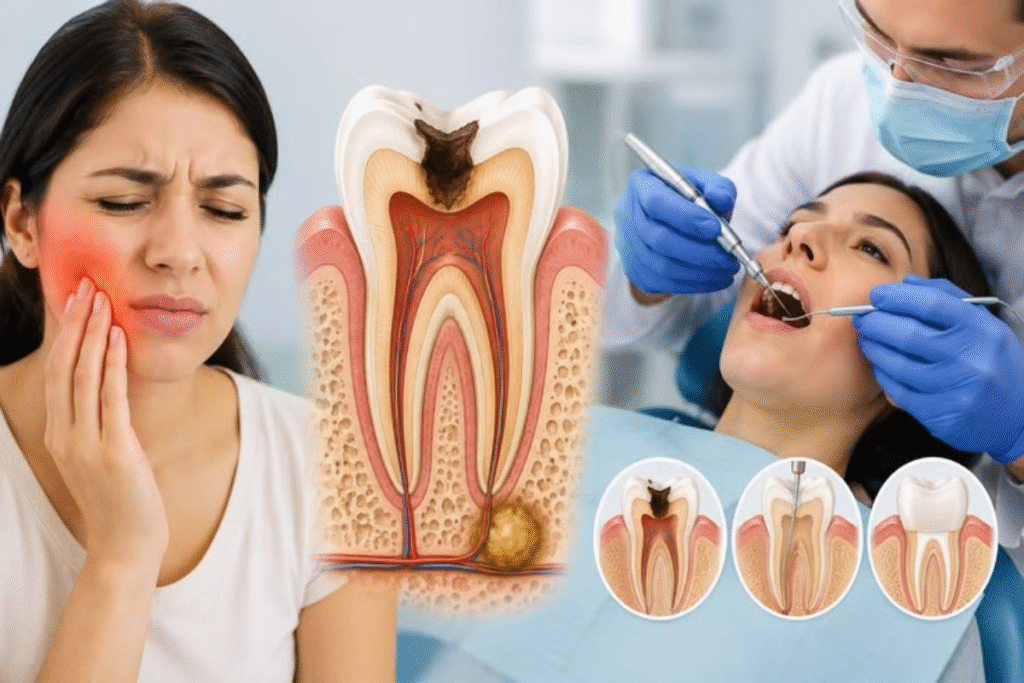
Things You Must Avoid After RCT to Protect Your Tooth and Improve Healing
December 19, 2025
Keeping children’s teeth healthy is more than just making sure they have a bright smile in photos. Good oral hygiene in childhood sets the foundation for strong, cavity-free teeth throughout life. Parents often wonder how early dental care should start, what brushing routine is best, and how to prevent common dental issues. This comprehensive guide answers all those questions and more, giving you practical tips for healthy teeth for kids.
Why Kids’ Dental Care Matters So Much
Children are constantly growing, and their teeth go through several stages of development. Neglecting oral hygiene can lead to cavities, gum problems, painful infections and difficulty eating or speaking. Dental issues can even affect academic performance because pain and discomfort make it hard for kids to focus.
Healthy teeth also contribute to confidence and positive social behavior. Taking care of them early helps kids develop lifelong habits.
When to Start Dental Care for Children
Parents should begin dental care even before the first tooth appears. Here’s a simple timeline to follow:
- 0–6 months: Gently wipe gums with a soft, clean cloth after feeding.
- 6–12 months: When the first tooth erupts, begin brushing twice a day with a baby toothbrush.
- 1 year+: Take your child for the first dental check-up.
- 2 years+: Start using a tiny smear of fluoride toothpaste.
- 3 years+: Increase toothpaste to pea-sized amount and teach your child to spit, not swallow.
Early exams help detect issues before they turn into bigger problems.
Brushing Tips for Healthy Kids’ Teeth
Brushing sounds simple, but technique matters. These tips make daily brushing more effective:
- Use a soft-bristled brush suitable for your child’s age.
- Brush for at least two minutes, twice a day.
- Hold the brush at a 45-degree angle to the gum line.
- Brush all surfaces: front, back and the chewing surfaces of every tooth.
- Replace toothbrush every 3 months or sooner if bristles are frayed.
Parents should supervise brushing up to age 7–8 to ensure it’s done properly.
Importance of Fluoride for Strong Teeth
Fluoride helps prevent tooth decay by strengthening enamel, the protective layer of teeth. Pediatric dentists often recommend:
- Fluoride toothpaste based on age guidelines.
- Fluoride varnish at dental visits for added protection.
- Fluoridated drinking water, where available.
Avoid excessive fluoride intake; always follow your dentist’s advice.
Best Diet Choices for Kids’ Dental Health
Food is a major factor that affects oral health. Some foods help strengthen teeth, while others can cause cavities.
Healthy Foods for Teeth
- Milk, cheese and curd for calcium and phosphates.
- Fruits and vegetables, especially crunchy ones like apples and carrots.
- Whole grains for overall health and strong gums.
- Nuts in small, age-appropriate portions for minerals and vitamins.
Foods to Limit or Avoid
- Sugary snacks
- Sticky candies
- Soft drinks and sweetened juices
- Frequent snacking
It’s not just what kids eat, but how often. Constant snacking exposes teeth to acids repeatedly, increasing risk of decay.
Encourage Drinking Water
Water helps wash away food particles and keep saliva levels high. Saliva protects teeth by neutralizing acids. Teach children to drink more water instead of flavored drinks.
Make Oral Care Fun and Consistent
Getting kids excited about dental hygiene can be difficult, but these ideas help:
- Let them choose toothbrushes in their favorite colors or characters.
- Use flavored toothpaste made especially for kids.
- Play a two-minute brushing song or timer.
- Create a reward chart for consistent brushing.
The goal is to make good habits enjoyable instead of a daily fight.
Thumb Sucking and Pacifier Use
Many children suck their thumbs or use pacifiers for comfort. While normal in infancy, continuing this habit after age 3 can cause:
- Crooked teeth
- Misaligned bite
- Speech development issues
Help your child slowly break the habit with positive reinforcement. If needed, consult a pediatric dentist for additional guidance.
Importance of Regular Dental Check-ups
Even with perfect brushing and eating habits, dental checkups are essential. A pediatric dentist can:
- Detect cavities early
- Check gum health
- Evaluate jaw development
- Offer preventive treatments like sealants
Sealants are a thin protective coating applied to back teeth, particularly effective for preventing cavities in school-aged children.
Aim for dental visits every 6 months or as recommended.
Handling Teething and Tooth Pain
Teething can be uncomfortable, but simple remedies help soothe babies:
- Teething rings made of safe materials
- Gentle gum massage with a clean finger
- Cold (not frozen) washcloth to chew on
Avoid applying gels with numbing agents unless advised by a dentist.
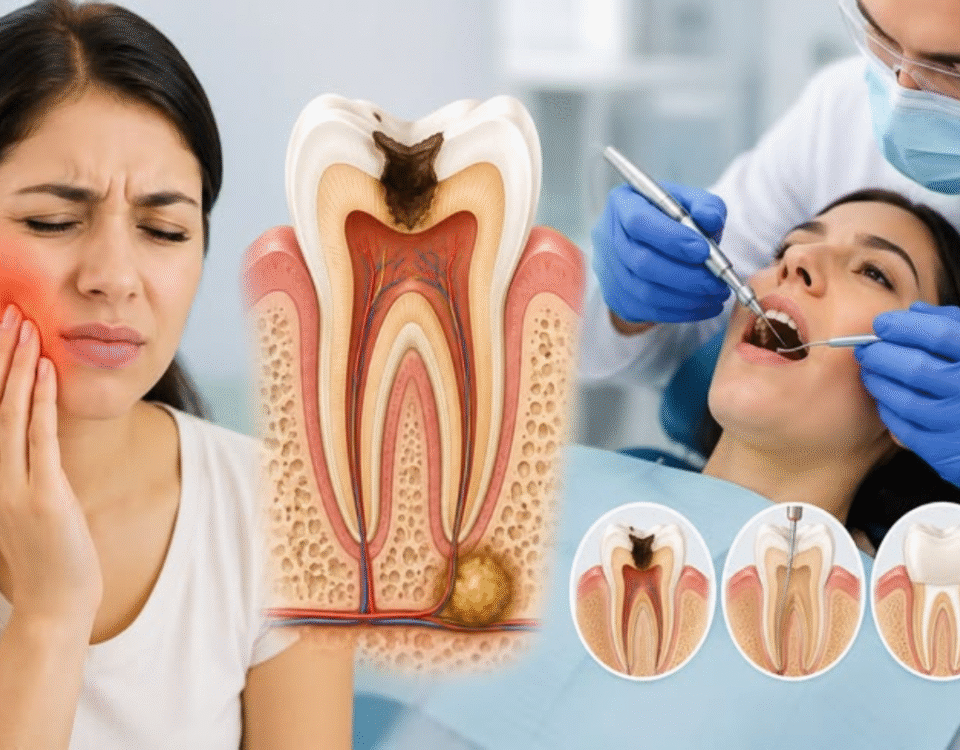
If your child complains of persistent toothache, sensitivity, or swelling, seek immediate dental care.
Preventing Dental Injuries
Active kids love playing and running around, but that sometimes leads to chipped or broken teeth. Tips for safety:
- Make kids wear mouthguards for contact sports like cricket, hockey, basketball and skating.
- Encourage safe play and discourage chewing on hard objects like pencils or ice.
If a permanent tooth gets knocked out, keep it moist (preferably in milk) and take your child to a dentist right away.
Oral Health and Overall Health Are Connected
Poor oral health can contribute to infections, nutritional problems and even heart conditions in rare cases. Good mouth care strengthens the immune system and supports overall wellness. Caring for teeth is caring for the whole body.
When to Seek Professional Help
Contact a dentist if you notice:
- Brown or white spots on teeth
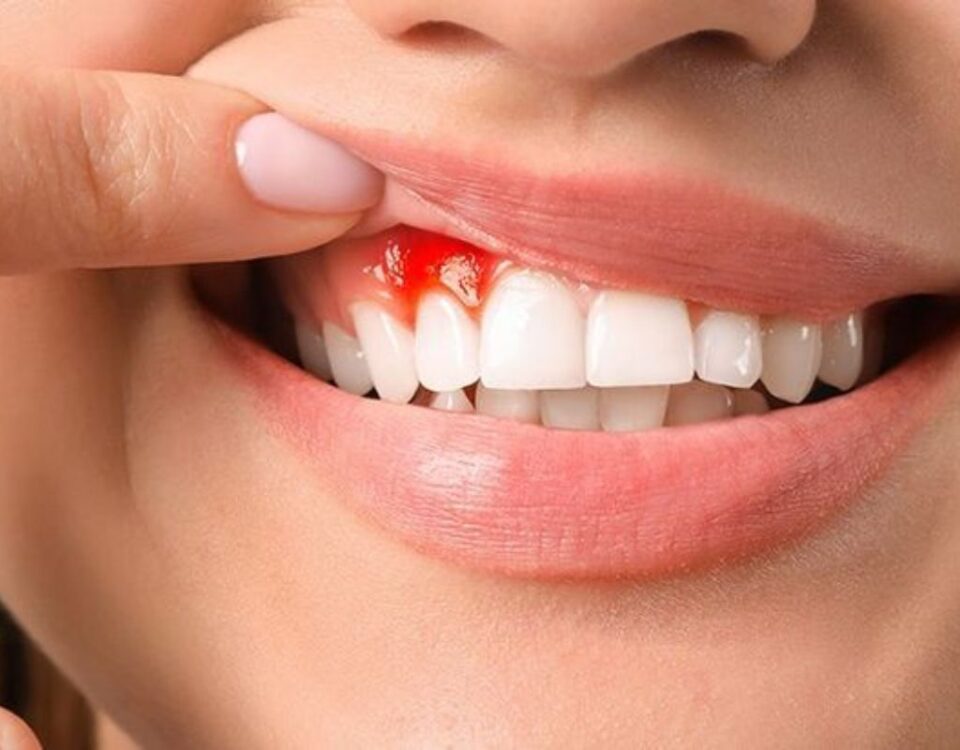
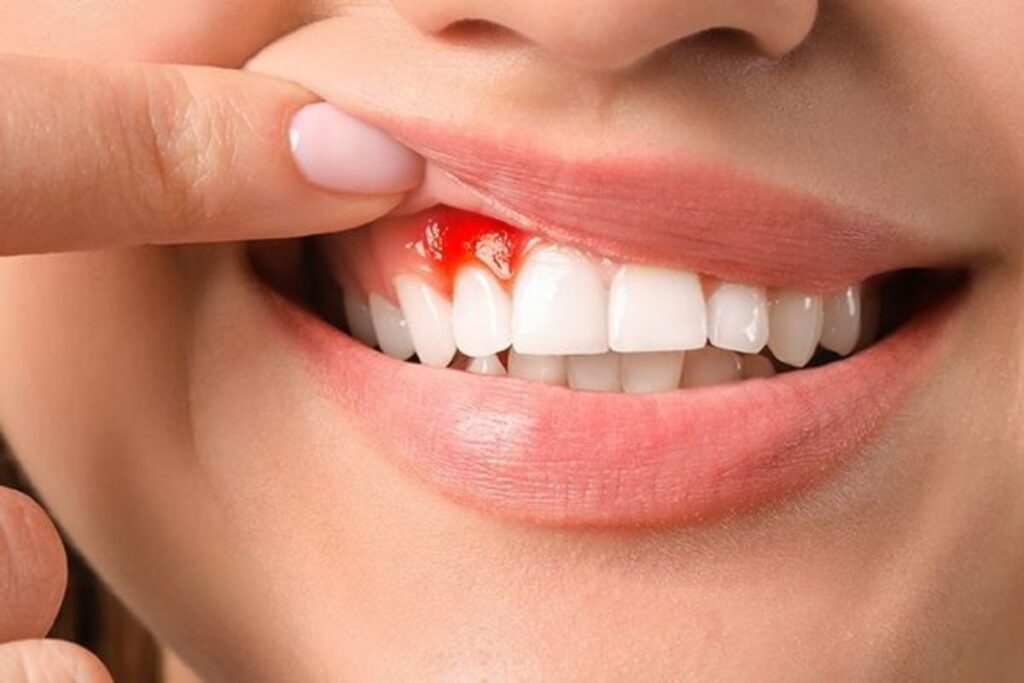
- Bleeding gums
- Bad breath lasting more than a few days
- Delayed tooth growth or unusual tooth gaps
- Difficulty chewing or speaking
Pediatric dentists are trained specifically to treat children and understand their needs, fears and behavior patterns. If you are in Gurgaon or nearby, you can schedule regular check-ups at the Best Dental Hospital in Gurgaon for reliable pediatric dental services tailored to kids.
Key Takeaways for Parents
Here’s a quick recap of essential steps:
- Start dental care early
- Brush twice daily with fluoride toothpaste
- Limit sugar and unhealthy snacking
- Encourage water over sugary drinks
- Schedule regular dental check-ups
- Make dental care a fun routine
Small habits and consistent effort ensure your child’s smile stays healthy for years to come.
Final Words
Healthy teeth help children eat better, speak clearly and smile confidently. As a parent, your involvement makes all the difference. By nurturing good habits early, you give your child the best chance at strong oral health throughout their life.