Things You Must Avoid After RCT to Protect Your Tooth and Improve Healing

Tips for Healthy Teeth: A Complete Guide for Kids
October 27, 2025
Paediatric Brain Tumours: Recognising Symptoms, Understanding Causes, and Exploring Treatments
January 20, 2026
Introduction: Why Post-RCT Care Matters
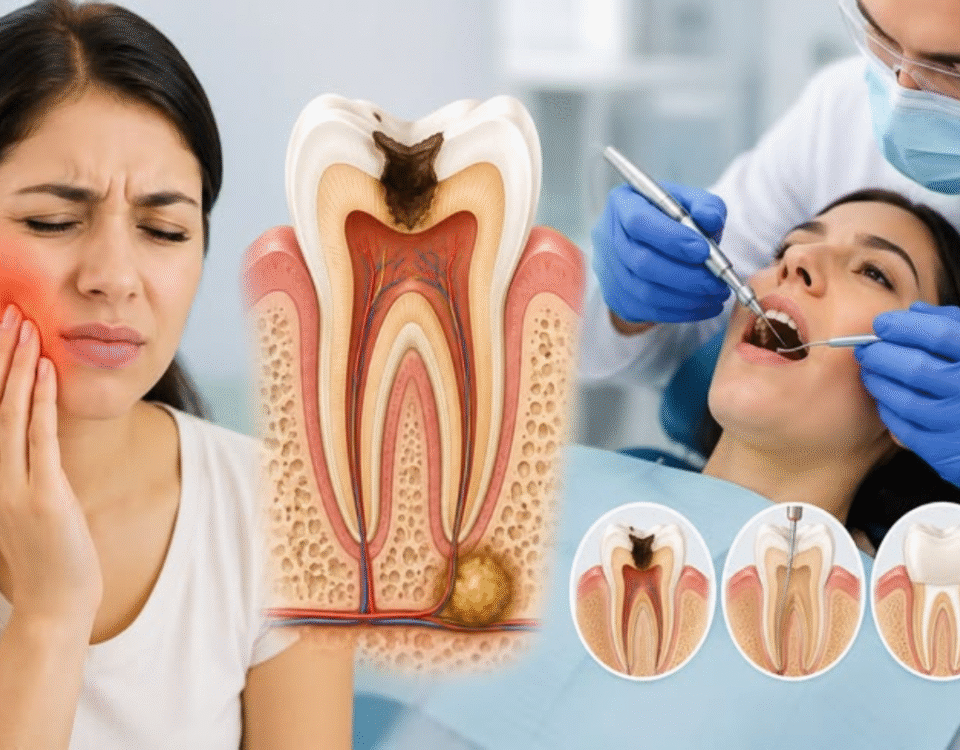
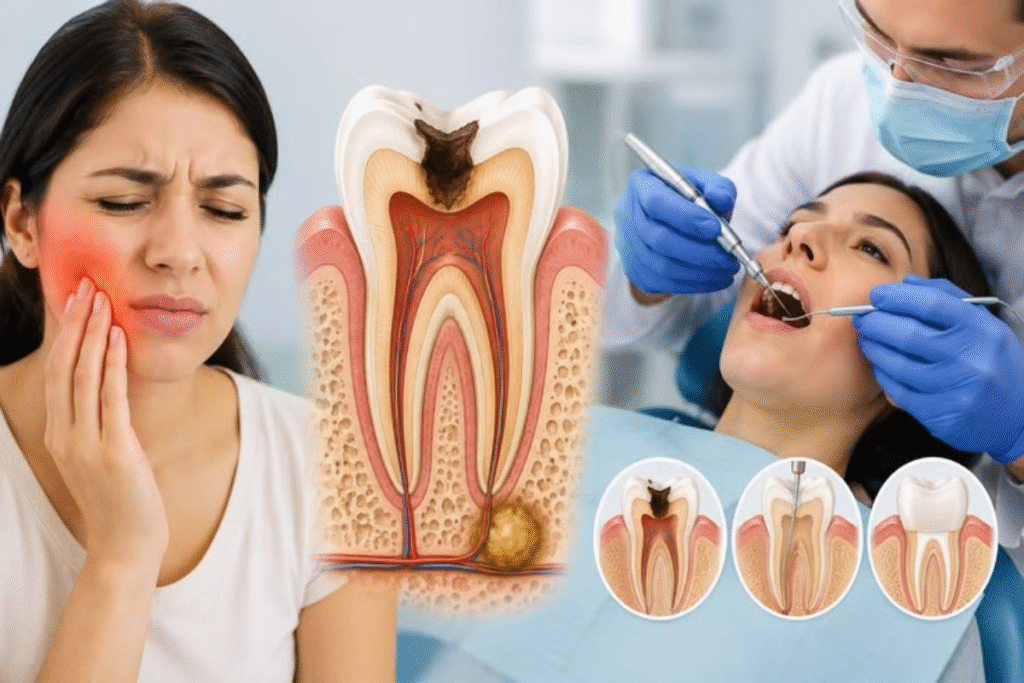
Root Canal Treatment (RCT) is a highly successful procedure to save a tooth from decay or infection, but its success largely depends on post-treatment care. Once the infected pulp is removed and the root is disinfected, the tooth begins a healing phase. This phase is delicate and can be easily disturbed if proper precautions are not followed. Many patients assume that RCT marks the end of treatment, when in reality, what you do afterward plays an equally important role in recovery. Small mistakes like chewing from the treated side, consuming very hot beverages or delaying the crown can undo the benefits of the procedure. Therefore, understanding what to avoid helps protect your tooth, prevent complications, and ensure long-lasting results. For expert care and guidance, visiting the best dental hospital in Gurgaon, where Dr. Nishendu Yadav provides specialized dental care, can ensure optimal recovery and long-term dental health.
Avoid Chewing Hard Foods on the Treated Side
After RCT, the tooth is temporarily more fragile because the inner tissue has been removed, and complete recovery takes time. Hard or crunchy foods can cause stress and may lead to cracks or damage before the final restoration is complete. You should take precautions and make mindful food choices during the initial healing period.
In this stage, avoid:
• Hard nuts, popcorn, chikki, candy, and toasted bread
• Chewing with high force on the treated side
• Foods requiring heavy grinding such as raw carrots or dry fruits
By chewing from the opposite side and selecting soft meals like mashed potatoes, upma, dal-rice, poha or soup, you significantly reduce the pressure on the treated tooth. Gradually, as sensitivity decreases and your dentist approves, you may reintroduce harder foods into your diet.
Do Not Skip Crown Placement
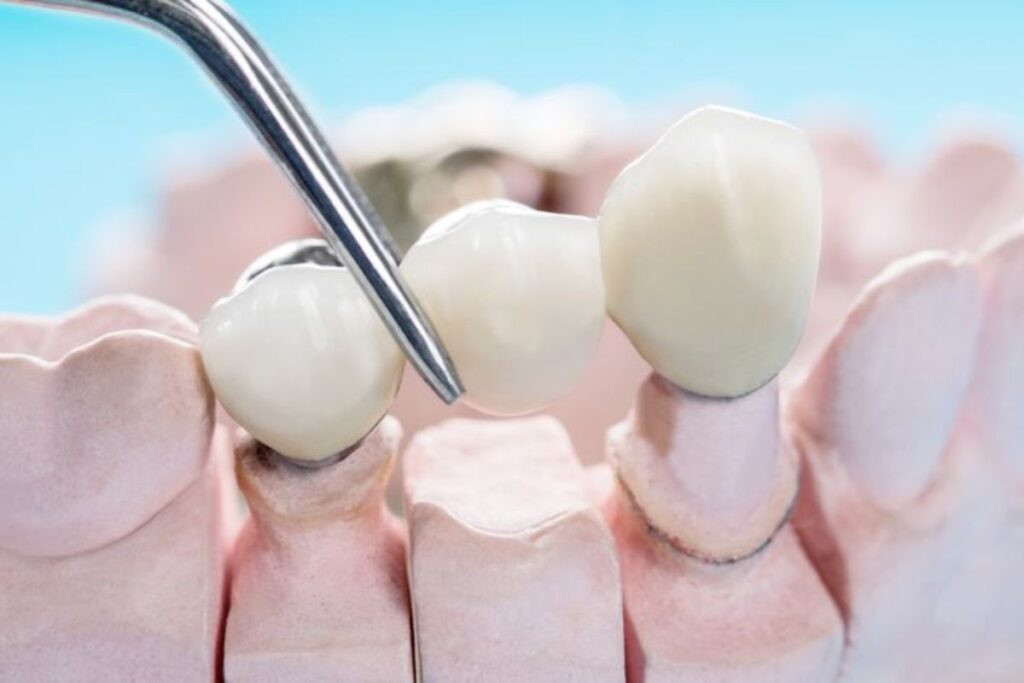
Many patients feel relief immediately after RCT and delay the next step — crown fixing. The problem is that a tooth becomes hollow after removing the pulp and thus weaker than a natural healthy tooth. Without a crown, it is at risk of fracture, further decay or infection.
You must remember to never postpone the crown because:
• It acts as a protection shield against strong biting force
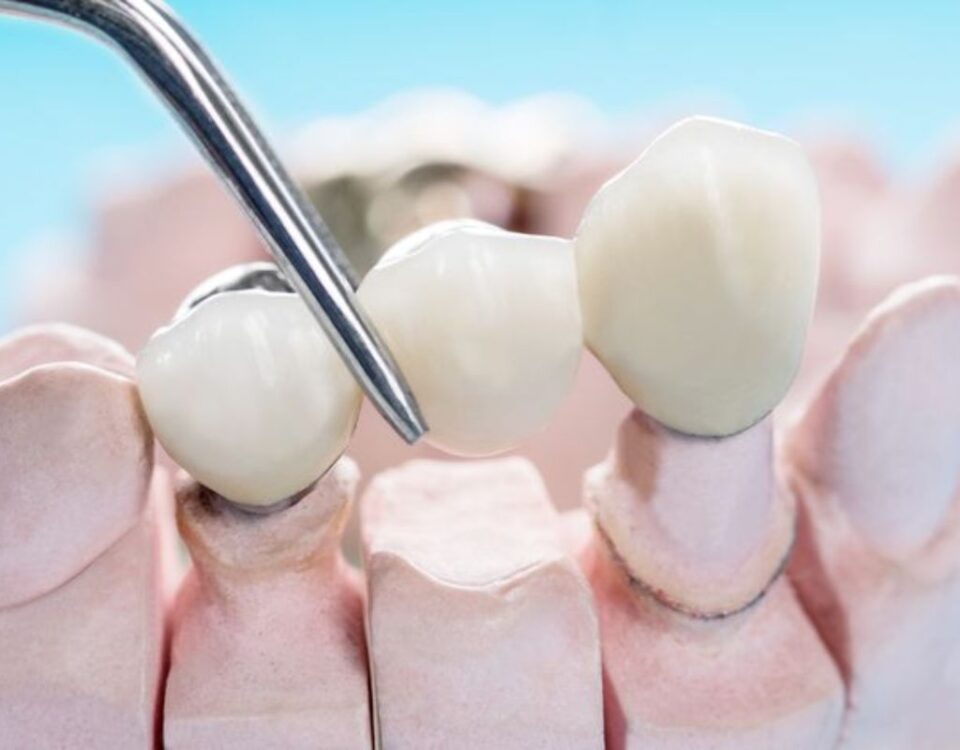
• It restores the natural shape and function of your tooth
• It prevents bacterial entry that may cause reinfection
Ignoring the crown for too long may lead to breakage of the tooth, which sometimes becomes beyond repair and may require extraction. Completing the final restoration in time gives your tooth the durability it needs.
Avoid Eating Until Numbness Completely Fades
Local anesthesia keeps your mouth numb for some hours post-treatment. Eating during this phase is unsafe because you may bite your cheeks or lips without realizing it. Moreover, you cannot judge how much pressure you are applying while chewing.
During numbness, strictly avoid:
• Biting or chewing food
• Drinking hot beverages that might burn your mouth unknowingly
• Testing the treated tooth by biting down on food
Wait patiently until the numbness wears off completely. Start with soft foods and slowly return to normal eating. This prevents accidental injuries and protects the healing tooth from stress.
Do Not Consume Hot or Cold Foods and Drinks
Sensitivity after RCT is normal because the muscles and tissues around the tooth are still healing. Extreme temperatures can irritate the area, leading to discomfort or delayed recovery. Adjusting your diet for a few days can significantly improve your healing experience.
It is best to avoid:
• Hot tea, steaming coffee, boiling soups
• Ice creams, chilled drinks, and refrigerated juices
• Spicy food that causes burning sensation
Opt for lukewarm meals and beverages instead. If temperature sensitivity continues for more than a week or increases over time, consult your dentist to check for underlying issues.
Avoid Neglecting Oral Hygiene
Just because the nerve inside the tooth has been removed doesn’t mean the tooth is immune to plaque or bacteria. Proper oral hygiene becomes even more important after RCT to maintain long-term strength and prevent new infections.
Make sure you do not:
• Skip brushing, especially near the treated tooth
• Allow food particles to stay lodged in that area
• Ignore flossing around the crown after it is placed
Brush gently using a soft-bristle brush and use an antibacterial mouthwash if recommended. Regular oral hygiene reduces the risk of reinfection or gum complications, keeping the restored tooth healthy for years.
Avoid Using the Treated Tooth as a Tool
Many people habitually use teeth to tear packets, cut threads or open bottle caps. After RCT, this becomes extremely risky and can damage the tooth.
Strictly avoid using the tooth for:
• Breaking open packets of snacks
• Cutting tape, thread, or plastic covers
• Holding objects or opening bottles
Teeth are meant for chewing food only. Using them for such tasks puts undue pressure and may lead to cracks, damage or pain, especially when the tooth is still healing.
Do Not Miss Follow-Up Dental Appointments
Even after RCT is completed, follow-up visits are necessary to monitor healing and ensure no new issues develop. Many patients feel fine and skip their appointments, but problems like minor infection or bite imbalance require professional evaluation.
You should never skip checkups because they help:
• Monitor healing progress
• Detect early signs of complications
• Ensure proper fitting and longevity of the crown
Your dentist may also guide you on bite adjustments, oral care tips and dietary recommendations. Attending scheduled visits ensures long-term treatment success.
Avoid Grinding or Clenching Your Teeth
Teeth grinding (bruxism) is harmful for any tooth, but after RCT the risk becomes more serious. Continuous grinding exerts pressure and can crack or damage the restored tooth.
If you grind your teeth, avoid:
• Sleeping without a mouthguard if recommended
• Ignoring signs like jaw pain or morning headaches
• Biting nails or clenching consciously under stress
Discuss it with your dentist if you have this habit. A night guard or lifestyle changes can protect the tooth and prevent wear or breakage.
Avoid Self-Medicating or Ignoring Pain
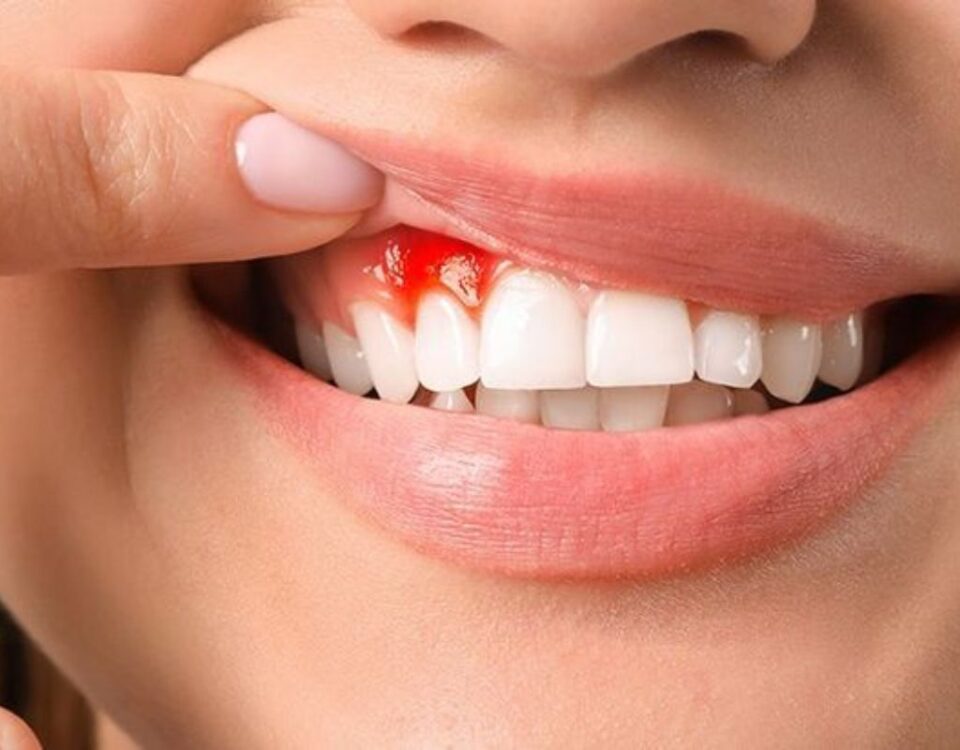
Some patients take painkillers on their own when they feel discomfort instead of consulting their dentist. While mild soreness is normal, severe pain may indicate inflammation or unresolved infection.
Never ignore or self-medicate when you experience:
• Sharp pain or swelling around the treated tooth
• Prolonged sensitivity that gets worse
• Pus discharge or bad smell from the area
Timely dental intervention prevents the infection from spreading and keeps your treatment safe and effective.
Conclusion: Protect Your Tooth, Protect Your Investment
An RCT saves your natural tooth and prevents the need for extraction, but the responsibility of protecting it continues even after the dentist’s work is done. Avoiding certain habits — such as chewing hard foods, skipping the crown, consuming extreme-temperature foods, neglecting hygiene, grinding teeth or missing follow-ups — ensures smoother healing and long-lasting results. Every step taken with care becomes a step toward a stronger and healthier tooth. With the right aftercare, your root canal treated tooth can function just like a normal tooth for many years. Therefore, stay mindful, follow post-treatment instructions and make smart choices that support your dental health and healing journey.