Dental Crowns vs Bridges: Which Is Better for You?

10 Signs You Need to Visit a Dentist for Better Oral Health
July 18, 2026
Root Canal Treatment: Procedure, Benefits, Cost and Aftercare
July 30, 2026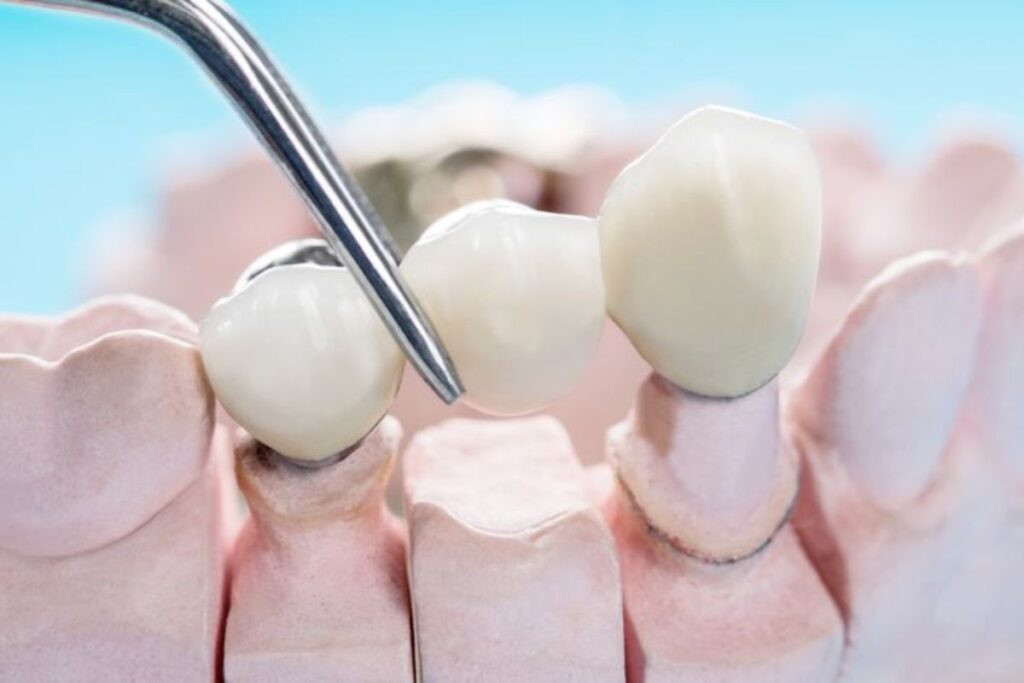
If you’ve been told by your dentist that you need a dental crown or a dental bridge, you’re probably wondering which one is right for your situation — and which one is simply “better.” The truth is, these two forms of tooth restoration aren’t really competitors. They solve different dental problems, and understanding what each one does will help you make a confident, informed decision alongside your dentist.
If you’re looking for comprehensive restorative dental care, choosing the Best Dental Hospital in Sohna Gurgaon can help you receive a thorough evaluation, personalized treatment recommendations, and access to advanced options for crowns, bridges, and other dental procedures.
In this guide, we’ll break down what dental crowns and bridges are, how they work, their pros and cons, costs, longevity, and how to decide which one fits your needs.
What Is a Dental Crown?
A dental crown is a custom-made cap that fits over an existing, damaged tooth. Think of it as a protective shell that restores the tooth’s shape, size, strength, and appearance. Crowns are typically used when a tooth is still structurally present but has been weakened by decay, a large filling, a root canal, or a fracture.
Crowns can be made from a variety of materials, including:
- Porcelain or ceramic – best for a natural, tooth-colored appearance, often used on front teeth
- Metal alloys – extremely durable, often used on back molars where strength matters more than aesthetics
- Porcelain-fused-to-metal (PFM) – combines strength with a more natural look
- Zirconia – strong, durable, and increasingly popular for both function and aesthetics
A dental crown is one of the most common forms of tooth restoration because it can save a tooth that might otherwise need to be extracted. Since a crown only covers one tooth, it typically doesn’t require any alteration to neighboring teeth — a key difference from a bridge.
When Is a Dental Crown Recommended?
Your dentist may recommend a dental crown if you have:
- A tooth with a large cavity that a filling can’t fix
- A cracked or fractured tooth
- A tooth that has undergone a root canal and needs added strength
- A severely discolored or misshapen tooth (for cosmetic reasons)
- A tooth that has significant wear from grinding
Because the crown fits over the existing tooth root and structure, it generally preserves more of your natural tooth compared to more invasive procedures.
What Is a Dental Bridge?
Unlike a crown, a dental bridge doesn’t repair an existing tooth — it replaces one or more missing teeth. A bridge “bridges” the gap left by missing teeth using a false tooth (called a pontic) that’s held in place by crowns placed on the adjacent teeth, known as abutment teeth.
In simpler terms: a dental bridge requires two anchor points (usually your natural teeth or dental implants) with the replacement tooth (or teeth) suspended between them.
There are several types of bridges:
- Traditional bridge – uses crowns on both sides of the gap to hold the pontic in place; the most common type
- Cantilever bridge – supported by a crown on only one side, used when there’s only one adjacent tooth
- Maryland bridge – uses a metal or porcelain framework bonded to the back of neighboring teeth instead of crowns
- Implant-supported bridge – anchored by dental implants rather than natural teeth, ideal for replacing several teeth in a row
A dental bridge is a well-established missing tooth replacement option, especially for people who aren’t candidates for implants or who want a faster, less surgical solution.
When Is a Dental Bridge Recommended?
A dentist typically recommends a dental bridge when:
- You have one or more missing teeth
- The teeth next to the gap are healthy enough to support crowns
- You want to avoid the surgical process involved with implants
- You need a missing tooth replacement that restores your ability to chew and speak properly
- You want to prevent shifting of surrounding teeth into the empty space
Crowns vs Bridges: Key Differences
| Feature | Dental Crown | Dental Bridge |
|---|---|---|
| Purpose | Repairs a damaged tooth | Replaces missing teeth |
| Teeth involved | One tooth | Multiple teeth (gap + support teeth) |
| Invasiveness | Less invasive | More involved, alters neighboring teeth |
| Support needed | None (uses existing root) | Requires healthy abutment teeth or implants |
| Common use case | Cracked, decayed, or weak tooth | One or more missing teeth |
The biggest distinction to remember: a crown fixes what’s already there, while a bridge fills in what’s missing.
Pros and Cons of Dental Crowns
Pros:
- Preserves the natural tooth root
- Doesn’t require altering neighboring teeth
- Restores full function (chewing, biting)
- Can significantly improve appearance
- Long lifespan (10–15+ years with proper care)
Cons:
- Requires removal of some healthy tooth enamel to shape the tooth for the cap
- Won’t help if the tooth is already missing
- Can be costly, especially with premium materials like zirconia
Pros and Cons of Dental Bridges
Pros:
- Restores appearance and chewing function after tooth loss
- Non-surgical alternative to implants
- Prevents remaining teeth from shifting
- Usually completed in two visits, faster than implant treatment
Cons:
- Requires reshaping and capping the healthy neighboring teeth
- Those abutment teeth carry extra pressure over time, which can weaken them
- May need replacement every 10–15 years
- Not ideal if surrounding teeth aren’t strong enough to support it
Cost Comparison
Costs vary widely depending on location, materials, and insurance coverage, but generally:
- A single dental crown tends to cost less than a dental bridge, since only one tooth is treated.
- A dental bridge costs more because it involves treating and capping multiple teeth (the two abutment crowns plus the pontic).
- Implant-supported bridges cost more upfront but may offer better long-term value since they don’t rely on natural teeth for support.
Many dental insurance plans cover a portion of both procedures when deemed medically necessary, so it’s worth checking your policy and getting a detailed treatment estimate from your dentist.
Which Is Better: Crown or Bridge?
Here’s the honest answer: neither is universally “better” — it depends entirely on your specific situation.
Choose a dental crown if:
- Your tooth is still present but damaged, decayed, or weakened
- You had a root canal and need added protection for the tooth
- You want to restore a tooth’s appearance without removing it
Choose a dental bridge if:
- You have one or more missing teeth
- The teeth next to the gap are healthy and strong enough to support crowns
- You want a non-surgical missing tooth replacement option
Consider an implant instead of a bridge if:
- You want to avoid altering your healthy neighboring teeth
- You’re looking for a longer-term, standalone solution
- You have adequate jawbone density to support an implant
A qualified dentist will evaluate your oral health, the number of missing or damaged teeth, your bone density, and your budget before recommending the best path forward. In many cases, the “right” choice isn’t about which restoration is inherently superior — it’s about matching the treatment to the problem.
The Bigger Picture: Cosmetic Dentistry and Long-Term Oral Health
Both dental crowns and bridges fall under the broader umbrella of cosmetic dentistry and restorative care, since they don’t just repair function — they also restore your smile’s natural appearance. A well-placed crown or bridge can boost confidence, improve speech, and prevent further dental complications like misalignment, jaw strain, or additional tooth loss.
Whichever restoration you and your dentist choose, remember that proper aftercare matters. This includes:
- Practicing good oral hygiene (brushing twice daily, flossing, especially around bridge pontics)
- Avoiding excessively hard or sticky foods that could damage the restoration
- Attending regular dental checkups to monitor the crown or bridge’s condition
- Addressing any discomfort or looseness promptly to prevent further damage
Final Thoughts
Choosing between a dental crown and a dental bridge ultimately comes down to what your mouth actually needs. If you have a single damaged tooth, a crown is likely your answer. If you’re dealing with one or more missing teeth, a bridge (or possibly an implant) will restore both function and appearance.
While dental restorations are performed by dental professionals, patients seeking care for other medical conditions may also require services from a General Surgery Hospital Sohna Gurgaon, depending on their diagnosis. Receiving treatment from the appropriate specialist ensures the best possible outcome.
The best next step is always a conversation with your dentist. They can assess your specific case — whether it’s a cracked molar or a gap from a missing tooth — and recommend the tooth restoration or missing tooth replacement option that will serve you best for years to come.
Investing in the right dental treatment now can save you from more complex, costly procedures down the road, while helping you maintain a healthy, confident smile.