Tooth Sensitivity: Causes and Treatment

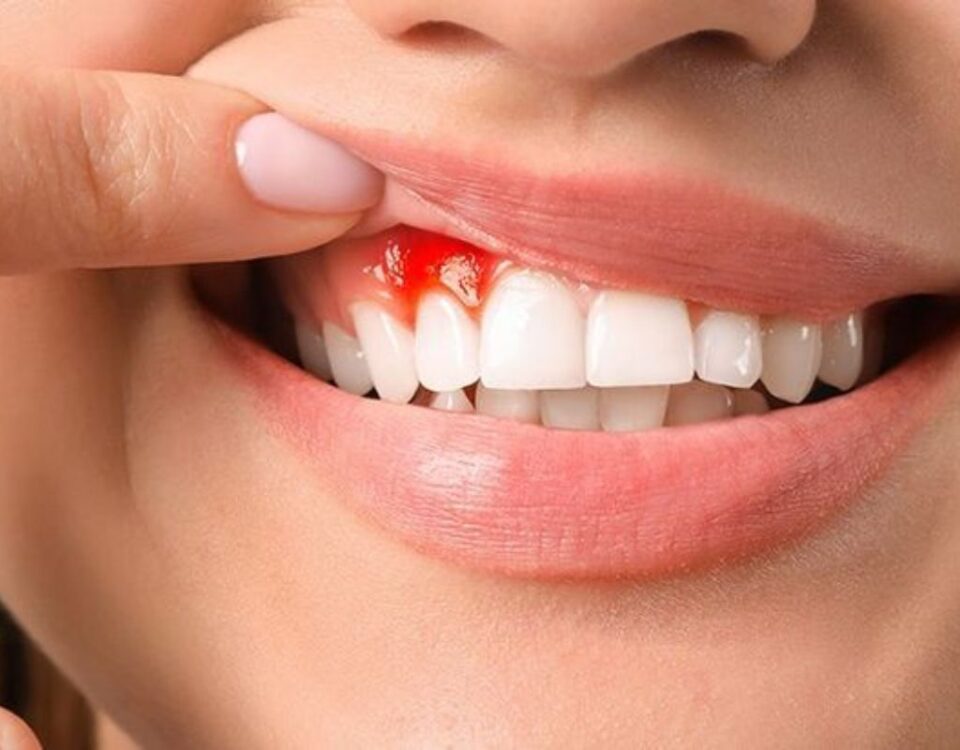
Bleeding Gums: Causes and When to Visit a Dentist
September 16, 2026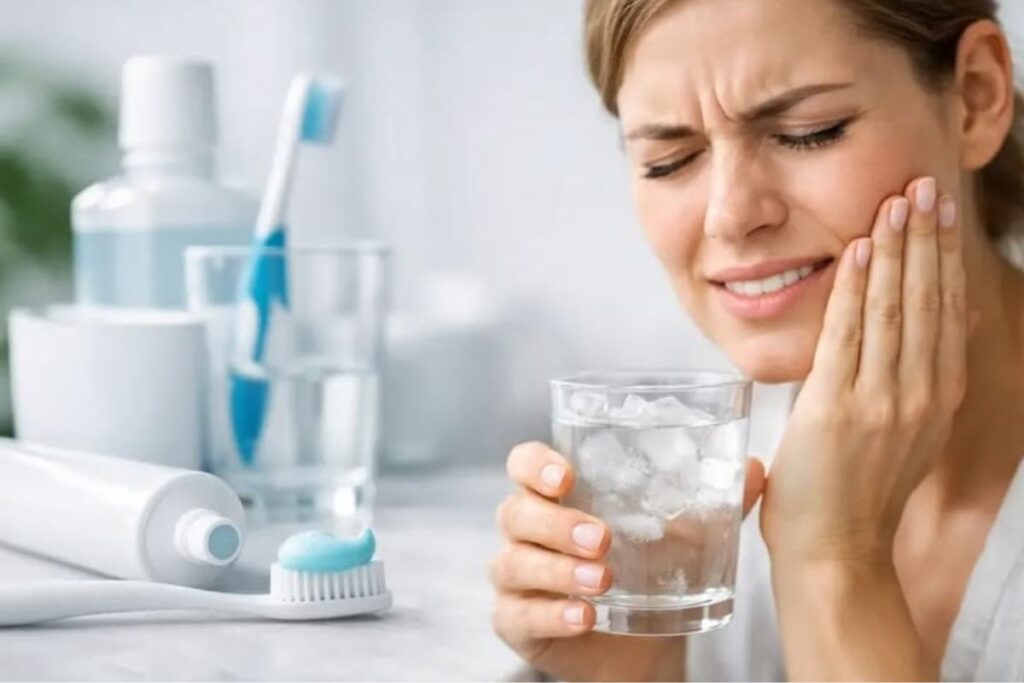
Tooth sensitivity is a common dental problem that can make everyday activities such as eating, drinking, brushing, or enjoying a cold beverage uncomfortable. A sudden sharp sensation in one or more teeth may occur when they come into contact with hot, cold, sweet, or acidic foods. While occasional sensitivity may not always indicate a serious problem, repeated or worsening discomfort should not be ignored.
Understanding the sensitive teeth causes can help you identify possible triggers and take appropriate steps to protect your teeth. If sensitivity continues or becomes more frequent, consulting a Top Dentist in Gurgaon can help determine the underlying dental issue and appropriate care. Tooth sensitivity can develop because of enamel wear, gum recession, cavities, cracked teeth, or other dental concerns. The right approach to tooth sensitivity treatment depends on the underlying cause and the severity of the symptoms.
What Is Tooth Sensitivity?
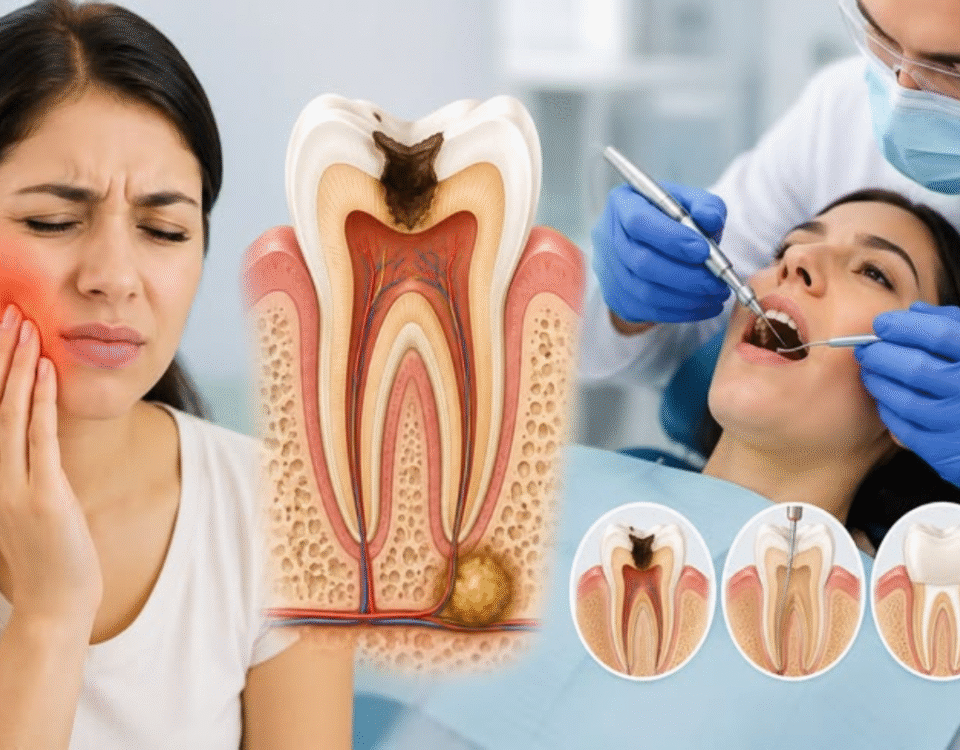
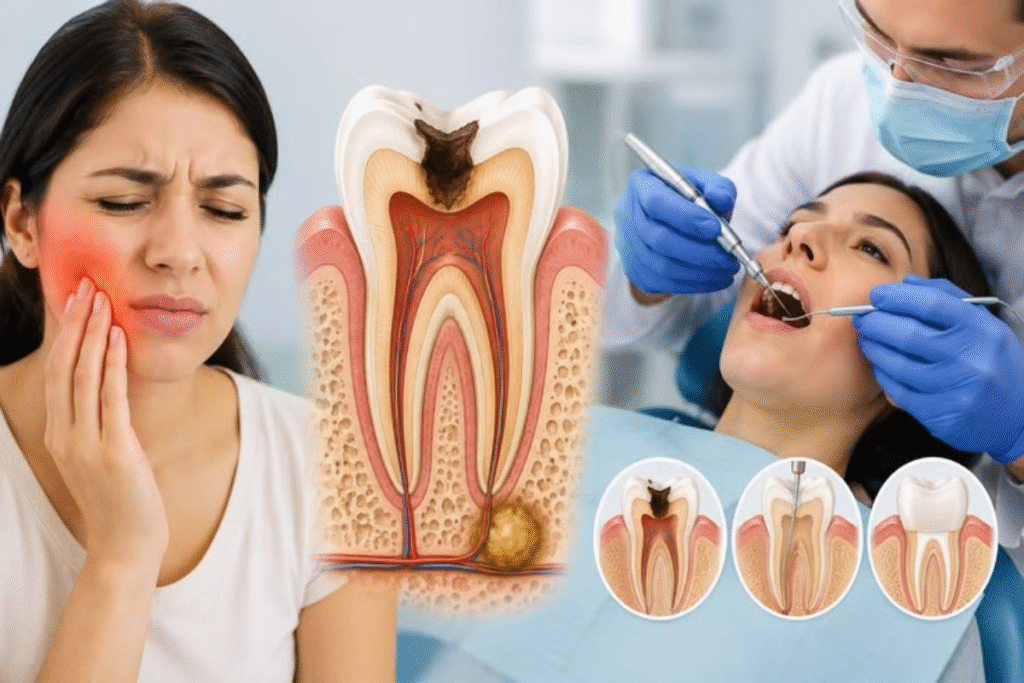
Tooth sensitivity, also known as dentin hypersensitivity, occurs when the inner layers of a tooth become more exposed or vulnerable. Healthy tooth enamel normally protects the dentin underneath. When enamel becomes thin or the gums recede, microscopic pathways in the dentin can allow external sensations to reach the nerves inside the tooth.
This can result in a short, sharp pain when you consume something particularly hot, cold, sweet, or acidic. Some people experience sensitivity while brushing or flossing, while others notice it only when eating certain foods.
The discomfort associated with sensitive teeth is usually brief, but recurring symptoms can interfere with normal eating and oral hygiene.
Common Sensitive Teeth Causes
There are several possible sensitive teeth causes, and identifying the specific reason is important for effective care.
1. Enamel Erosion
Enamel is the hard outer covering of your teeth. It can gradually wear away because of acidic foods and drinks, aggressive brushing, teeth grinding, or poor oral care. As enamel becomes thinner, the dentin underneath becomes more exposed.
Acidic beverages such as soft drinks, citrus juices, and some sports drinks can contribute to enamel erosion when consumed frequently.
2. Gum Recession
Gums protect the roots of your teeth. When gums recede, the tooth roots may become exposed. Unlike the crown of the tooth, the roots do not have the same protective enamel covering.
Exposed roots can therefore become more sensitive to temperature changes and certain foods.
3. Tooth Decay
Cavities can damage the protective structure of a tooth. As decay progresses deeper into the tooth, sensitivity or pain may develop.
If sensitivity is concentrated in one particular tooth, especially if it is accompanied by pain, a dental examination can help determine whether decay is involved.
4. Cracked or Damaged Teeth
A cracked tooth may cause sensitivity when chewing or when exposed to hot or cold foods. Even a small crack can allow sensations to travel toward the inner part of the tooth.
A dentist can examine the tooth and determine whether a crack or other structural problem is responsible.
5. Teeth Grinding
Regularly grinding or clenching your teeth can gradually wear down enamel. This may make teeth more vulnerable to sensitivity.
People who grind their teeth during sleep may not always realize they are doing it. Signs can include worn teeth, jaw discomfort, or increased sensitivity.
6. Recent Dental Procedures
Some people experience temporary sensitivity after procedures such as teeth whitening, fillings, crowns, or other dental treatments. In many cases, this improves as the tooth settles.
However, persistent or severe discomfort should be discussed with a dental professional.
Symptoms of Sensitive Teeth
The most common symptom is a sudden, sharp sensation in response to a particular trigger. Common triggers include:
- Cold water or ice cream
- Hot tea or coffee
- Sweet foods
- Acidic foods and drinks
- Cold air
- Brushing or flossing
- Certain dental procedures
The duration and intensity of symptoms can vary from person to person. Sensitivity that continues for a long time, becomes severe, or occurs without an obvious trigger deserves professional evaluation.
Tooth Sensitivity Treatment Options
The appropriate tooth sensitivity treatment depends on what is causing the problem. A dentist may first examine your teeth and gums before recommending a suitable approach.
Desensitizing Toothpaste
Desensitizing toothpaste may help reduce sensitivity over time. These products contain ingredients designed to block pathways through the dentin or reduce the response of the tooth nerve.
Consistent use is generally more useful than applying the toothpaste only when symptoms occur. Follow the product instructions and discuss persistent symptoms with your dentist.
Fluoride Treatment
Fluoride can strengthen tooth enamel and may help reduce sensitivity. A dentist may recommend professional fluoride treatment when additional protection is needed.
Fluoride can also be obtained through appropriately formulated toothpaste and other oral-care products.
Dental Fillings or Bonding
If sensitivity is caused by decay, damaged enamel, or exposed tooth surfaces, a dentist may recommend a filling or bonding procedure.
These treatments can cover vulnerable areas and help protect the underlying tooth structure.
Treatment for Gum Recession
When gum recession exposes sensitive tooth roots, the dentist may recommend improved oral hygiene techniques or other periodontal treatment depending on the severity.
Avoiding aggressive brushing and using a soft-bristled toothbrush may also help prevent further irritation.
Dental Treatment for Cracks or Decay
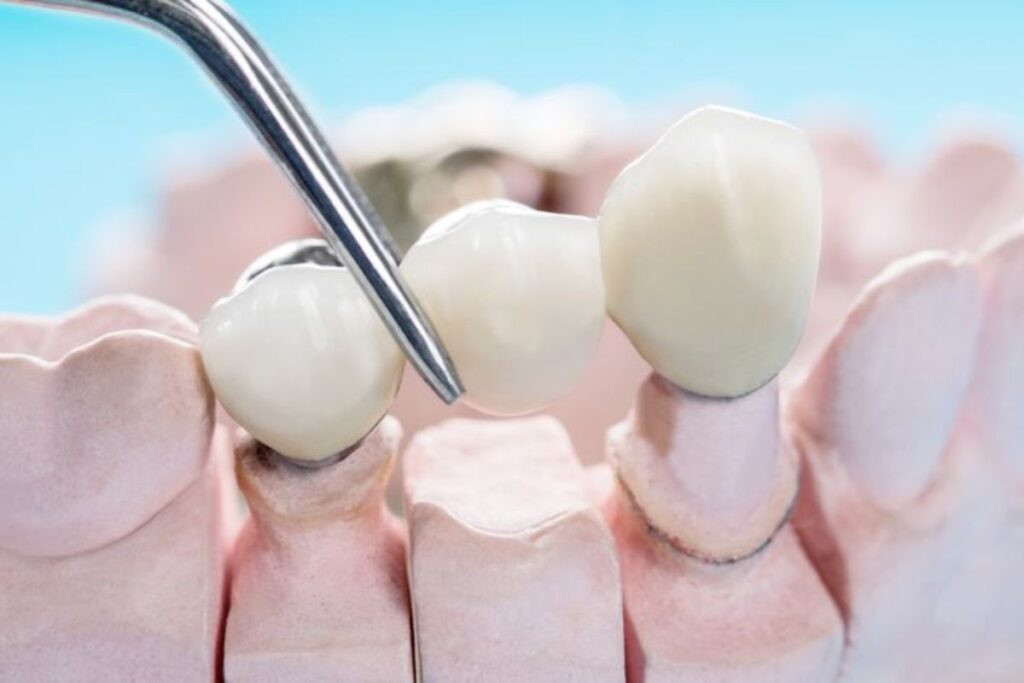
If a cracked tooth or significant decay is causing sensitivity, professional dental treatment may be necessary. Depending on the condition, treatment could involve a filling, crown, root canal treatment, or another procedure.
This is why identifying the cause is an important part of effective tooth sensitivity treatment.
Home Remedies for Sensitive Teeth
Certain home remedies for sensitive teeth may help manage mild symptoms and support good oral health. However, home care should not replace professional treatment when an underlying dental problem is present.
Use a Soft-Bristled Toothbrush
A soft-bristled toothbrush can clean the teeth while being gentler on enamel and gums. Brush using gentle, controlled movements instead of applying excessive pressure.
Avoid Extremely Hot or Cold Foods
If cold or hot foods trigger discomfort, temporarily reducing exposure to extreme temperatures may make daily eating more comfortable.
Reduce Acidic Foods and Drinks
Frequent exposure to acidic foods and beverages can contribute to enamel erosion. Limiting these items and rinsing the mouth with water afterward can help reduce acid exposure.
Maintain Good Oral Hygiene
Brushing twice a day and cleaning between the teeth can help reduce plaque buildup. Good oral hygiene supports healthy gums and lowers the risk of cavities, both of which can contribute to sensitivity.
Don’t Brush Immediately After Acidic Foods
Acid can temporarily soften the enamel surface. Waiting for some time before brushing after consuming acidic foods or drinks may help reduce mechanical wear.
These home remedies for sensitive teeth are mainly supportive measures. If symptoms continue despite changes in your routine, a dental examination is advisable.
When Should You Visit a Dentist?
Occasional mild sensitivity may improve with changes in oral-care habits, but certain symptoms require professional attention. Consider seeing a dentist if:
- Sensitivity continues for several weeks
- Pain is becoming stronger or more frequent
- One particular tooth is consistently sensitive
- You experience pain while biting or chewing
- You notice a visible crack or cavity
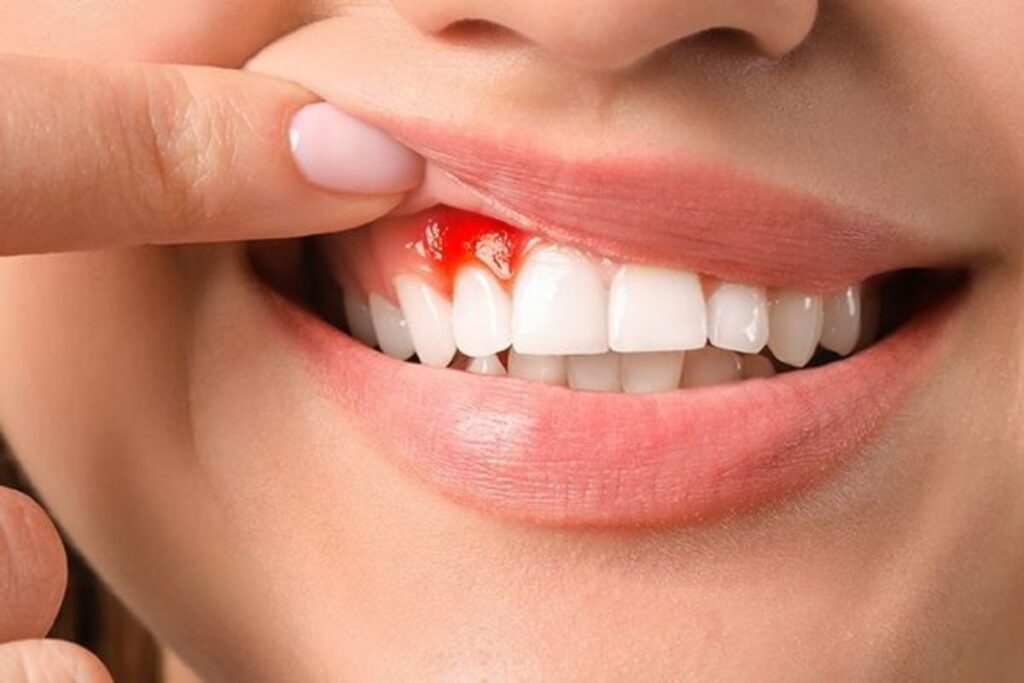
- Your gums are bleeding or receding
- Sensitivity occurs without an obvious trigger
- Home care does not improve the symptoms
A dentist can check for cavities, enamel damage, gum problems, cracks, and other possible sensitive teeth causes.
How to Prevent Tooth Sensitivity
Prevention starts with protecting enamel and maintaining healthy gums. Brush twice daily with a soft-bristled toothbrush and use fluoride toothpaste. Clean between your teeth regularly and avoid brushing with excessive pressure.
Limiting frequent consumption of acidic and sugary foods can also support enamel health. If you grind or clench your teeth, speak with a dentist about appropriate preventive options.
Regular dental checkups can help identify cavities, gum recession, enamel wear, and other concerns before they become more advanced.
Sensitive Teeth Treatment by Dentist
Professional evaluation is particularly important when sensitivity is persistent or associated with other symptoms. Sensitive teeth treatment by dentist may include professional fluoride application, treatment of cavities, restoration of damaged teeth, management of gum problems, or treatment of deeper dental conditions.
The treatment chosen depends on the individual condition rather than sensitivity alone. A dental examination can help determine whether the problem is related to enamel wear, exposed roots, decay, a cracked tooth, or another issue.
Conclusion
Tooth sensitivity can have several causes, ranging from enamel erosion and gum recession to cavities, cracked teeth, and teeth grinding. Recognizing the possible sensitive teeth causes is the first step toward choosing suitable care.
Simple habits such as using a soft toothbrush, maintaining good oral hygiene, limiting acidic foods, and choosing appropriate dental products may help manage mild symptoms. If sensitivity is associated with another dental or health concern requiring further evaluation, a General Surgery Hospital Sohna, Gurgaon may provide access to appropriate medical assessment and specialist care when needed. However, persistent sensitivity should not be treated only with home remedies for sensitive teeth.
If sensitivity continues, a dentist can identify the underlying problem and recommend appropriate tooth sensitivity treatment. Early evaluation can help protect the affected tooth, reduce discomfort, and support better long-term oral health.