Why Regular Dental Checkups Are Essential

Best Foods for Healthy Teeth and Gums – A Complete Guide
July 11, 2026
10 Signs You Need to Visit a Dentist for Better Oral Health
July 18, 2026
Most people only think about the dentist when something hurts. A nagging toothache, a cracked filling, or blood in the sink after brushing — these are usually the moments that finally push someone to book an appointment. But by the time pain shows up, the underlying problem has often been building for months, sometimes years. This is exactly why regular dental checkups matter so much: they catch issues long before you’d ever feel them, and they play a much bigger role in your overall health than most people realize. For those looking for quality preventive and restorative care, choosing the Best Dental Hospital in Sohna Gurgaon can help ensure early diagnosis, personalized treatment, and long-term oral health. Skipping dental checkups doesn’t just risk a cavity or two. It can lead to more invasive treatments, higher costs, and problems that spread beyond your mouth. In this article, we’ll break down what actually happens during a dental visit, why preventive dentistry saves you money and pain, how checkups support tooth decay prevention, and how professional visits reinforce the dental hygiene habits you practice at home.
What Happens During a Dental Checkup
A lot of people avoid dental checkups simply because they don’t know what to expect, and uncertainty breeds anxiety. Understanding the process can make it feel far less intimidating.
A typical dental checkup has three main parts. First, the dental hygienist performs a professional cleaning, removing plaque and tartar buildup that regular brushing and flossing can’t fully eliminate. Tartar, once hardened, can only be removed with specialized tools — this is one of the biggest reasons at-home care alone isn’t enough.
Second, the dentist examines your teeth, gums, and mouth for early signs of trouble: small cavities, gum inflammation, enamel wear, or unusual sores. Many of these issues are invisible to the untrained eye and produce no symptoms at all in their early stages.
Third, depending on how long it’s been since your last visit, X-rays may be taken. These reveal problems hiding below the surface — decay between teeth, bone loss, impacted teeth, or issues beneath old fillings. Without X-rays, a dentist is essentially working with half the picture.
Altogether, a routine dental checkup usually takes 30 to 60 minutes, yet it accomplishes far more than most people expect from such a short appointment. It’s this combination of cleaning, examination, and imaging that makes regular visits so effective at catching problems early.
The Benefits of Preventive Dentistry
The philosophy behind preventive dentistry is simple: it’s far easier, cheaper, and less painful to stop a problem before it starts than to treat it after it’s spiraled out of control.
Consider the financial angle alone. A routine checkup and cleaning typically costs a fraction of what a root canal, crown, or tooth extraction would cost. Dental insurance plans reflect this logic too — many cover preventive visits at 100%, while restorative procedures come with higher out-of-pocket costs. In other words, insurers themselves have calculated that preventive dentistry is the smarter investment, and they design their plans accordingly.
Beyond cost, there’s the matter of comfort and convenience. A cavity caught early might need nothing more than a small filling completed in a single visit. Left untreated, that same cavity can grow into the tooth’s nerve, requiring a root canal, multiple appointments, and a much longer recovery. Preventive dentistry essentially trades a minor inconvenience now for a major one avoided later.
There’s also a health dimension that goes beyond the mouth. Research has linked poor oral health to a range of systemic conditions, including heart disease, diabetes complications, and respiratory infections. Chronic gum inflammation allows bacteria to enter the bloodstream, and over time this has been associated with increased cardiovascular risk. Maintaining good oral health through regular checkups isn’t just about your smile — it’s part of protecting your whole body.
Finally, preventive dentistry supports early cancer detection. During a routine exam, dentists screen for signs of oral cancer, including unusual lumps, discoloration, or sores that don’t heal. Oral cancer has a significantly higher survival rate when caught early, and a dental checkup is often the first place these warning signs are spotted — sometimes before the patient has even noticed anything unusual.
Tooth Decay Prevention and Catching Problems Early
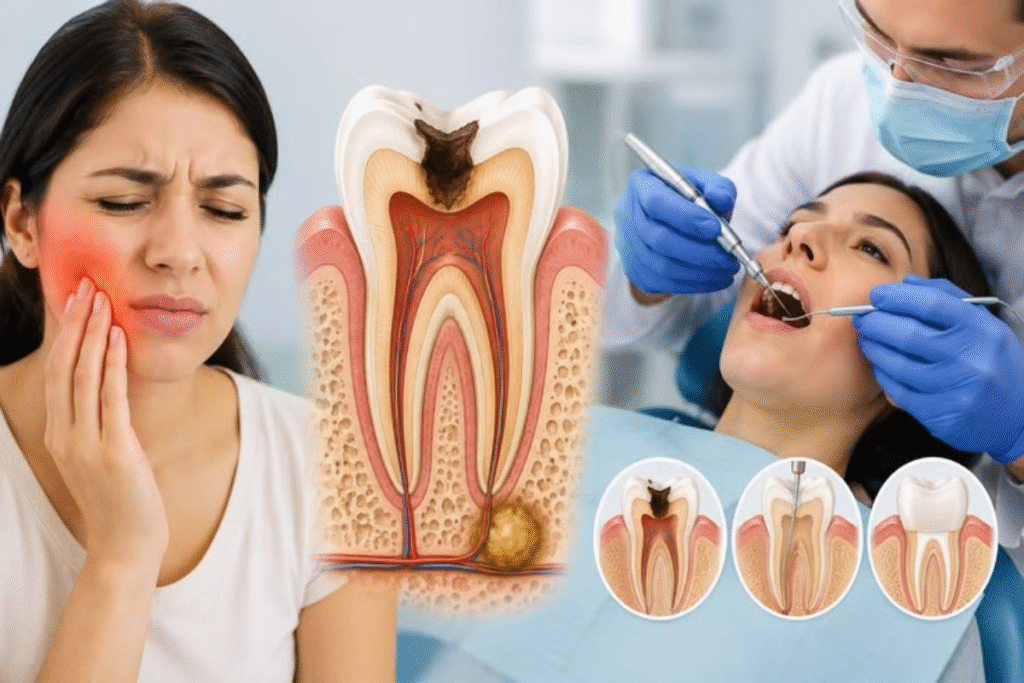
Tooth decay is one of the most common chronic conditions in the world, yet it’s also one of the most preventable. Regular dental checkups are central to tooth decay prevention because they interrupt the process before it causes real damage.
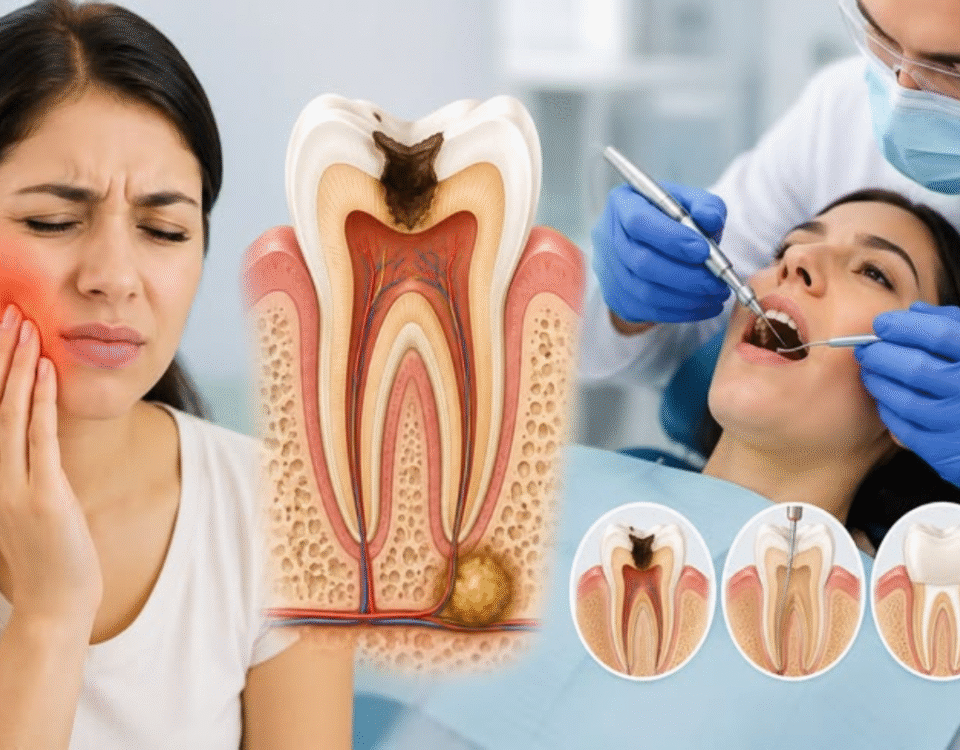
Decay starts small. Bacteria in plaque produce acids that gradually wear away tooth enamel, creating tiny areas of demineralization. At this early stage, decay is often reversible with fluoride treatment and better home care — no drilling required. But if it goes unnoticed, the same spot can progress into a cavity that needs a filling, and eventually into deeper decay that threatens the tooth’s nerve.
This is precisely where tooth decay prevention through professional visits makes the biggest difference. Dentists can spot these early warning signs using visual exams and X-rays, long before a cavity becomes painful or visible to you. Many patients are surprised to learn they have a cavity forming, simply because early-stage decay rarely causes any noticeable discomfort.
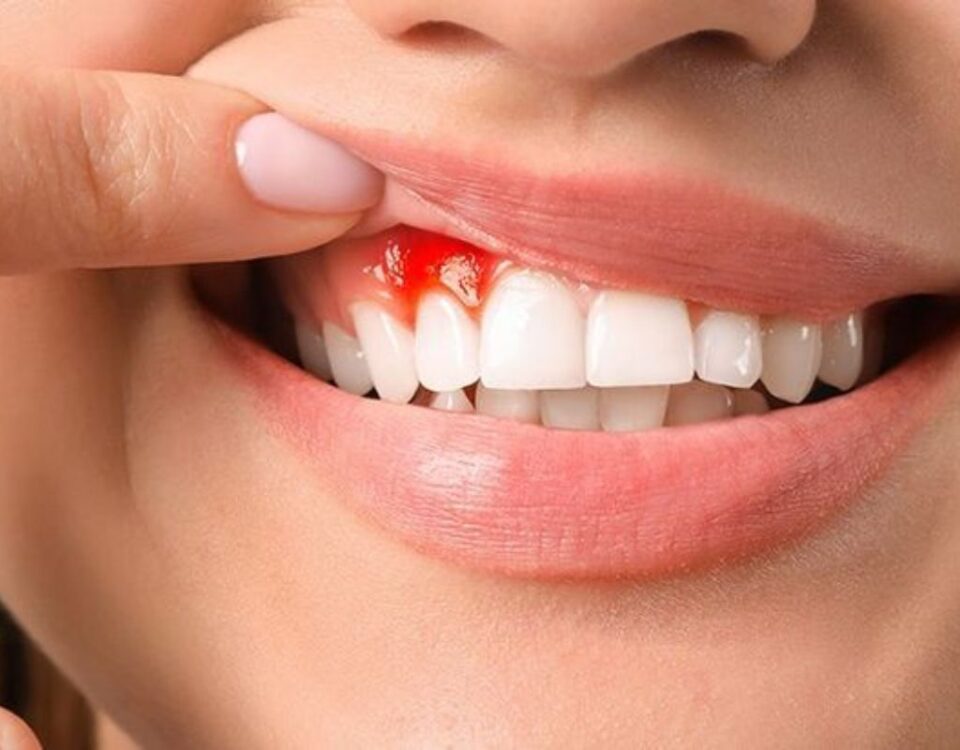
Checkups also catch gum disease in its early, reversible stage, known as gingivitis. Symptoms like slight redness or bleeding when brushing are easy to dismiss, but left unaddressed, gingivitis can progress into periodontitis — a more serious condition that damages the bone supporting your teeth and can eventually lead to tooth loss. Routine visits allow your dentist to intervene while treatment is still simple: a deeper cleaning and improved home care are often enough to reverse gingivitis entirely.
In short, most of what checkups catch — decay, gum disease, and other oral health issues — are dramatically easier to treat in their earliest stages. Regular visits are what make “early” possible.
How Checkups Support Daily Dental Hygiene
It’s tempting to think that if you brush and floss diligently every day, you don’t really need to see a dentist. But dental hygiene at home and professional checkups aren’t substitutes for each other — they work together, and each one covers gaps the other can’t.
No matter how carefully you brush, some areas of your mouth are simply hard to reach: between teeth, along the gumline, and at the very back of your mouth. Over time, plaque in these spots hardens into tartar, which toothbrushes and floss cannot remove. Only a professional cleaning can get rid of it, which is why even people with excellent dental hygiene routines still need regular cleanings.
Checkups also serve as a feedback loop for your daily habits. A hygienist can point out specific areas you’re consistently missing, recommend adjustments to your brushing technique, or suggest tools like interdental brushes or a water flosser if regular floss isn’t cutting it. This kind of personalized guidance is difficult to get anywhere else, and it often makes a noticeable difference in oral health between visits.
Additionally, dentists can recommend products tailored to your specific needs — for example, a fluoride toothpaste for someone prone to cavities, or a specific mouthwash for someone dealing with early gum inflammation. Generic advice from a toothpaste commercial doesn’t account for your particular mouth; a dentist’s recommendations do.
In this way, regular checkups don’t replace your at-home routine — they reinforce it, correct it, and fill in the gaps that daily care alone can’t cover.
How Often Should You Go?
For most people, the standard recommendation is a dental checkup every six months. This twice-a-year rhythm strikes a good balance: frequent enough to catch problems early, but not so frequent that it becomes impractical or unnecessary for people with generally healthy mouths.
That said, six months isn’t a universal rule. Some people need to visit more often — particularly those with a history of gum disease, frequent cavities, dry mouth, or certain medical conditions like diabetes that affect oral health. Pregnant women are often advised to keep up with checkups too, since hormonal changes can increase the risk of gum inflammation. On the other hand, some patients with consistently excellent oral health and low risk factors may be able to stretch checkups to once a year, based on their dentist’s recommendation.
The best approach is to let your dentist guide the schedule based on your specific oral health history rather than assuming a one-size-fits-all timeline. If you’re unsure how often you should see a dentist, that’s a conversation worth having at your next visit.
Conclusion
Regular dental checkups aren’t just about keeping your smile bright — they’re a cornerstone of long-term oral health and, by extension, your overall well-being. From professional cleanings that reach what your toothbrush can’t, to early detection of decay, gum disease, and even oral cancer, these visits do far more work than most people give them credit for. If additional medical or surgical evaluation is ever needed, seeking care at a General Surgery Hospital Sohna, Gurgaon can provide access to comprehensive healthcare services alongside specialized dental treatment.
The logic of preventive dentistry is straightforward: small, manageable interventions now prevent painful, expensive problems later. Combined with solid daily dental hygiene, consistent checkups give you the best possible defense against the issues that quietly build up over time.