Cavities and Tooth Decay: Complete Guide to Causes, Symptoms, Treatment, and Prevention

Tips After RCT Complete Guide for Fast Recovery and Healthy Teeth
April 7, 2026
Wrong Brushing Pattern and Its Side Effects: What You Must Know
April 14, 2026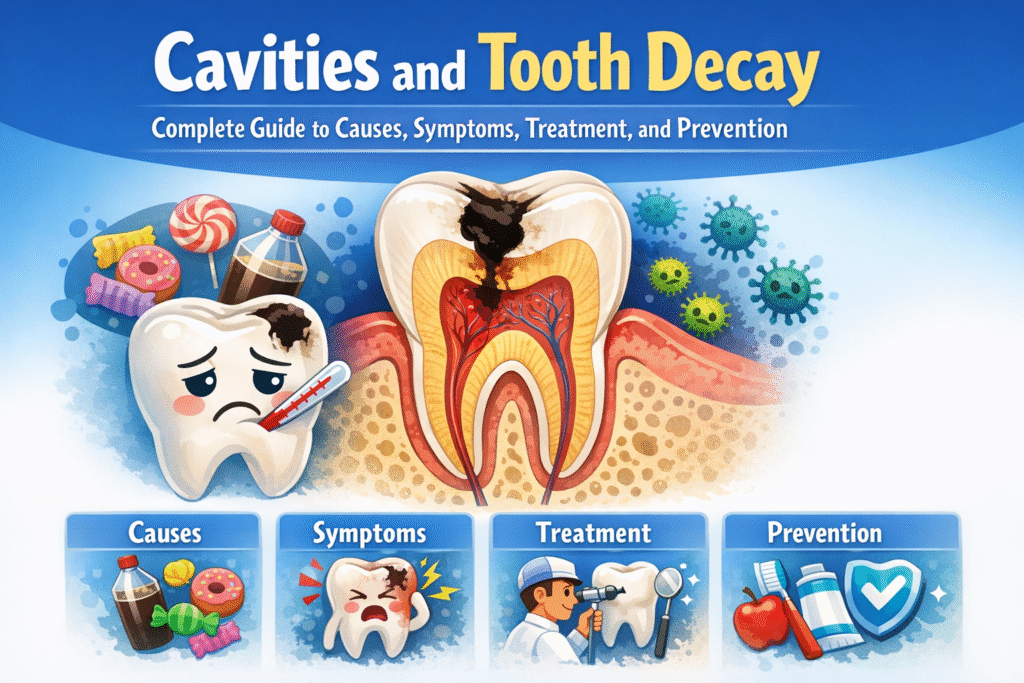
Introduction
Cavities and tooth decay are among the most common dental problems affecting people of all ages. From children to adults, everyone can develop cavities on teeth if proper oral care is not maintained. Tooth decay begins slowly but can lead to serious complications if ignored. If you are experiencing dental issues, consulting the Best Dental Hospital in Sohna Gurgaon can help in early diagnosis and effective treatment. Understanding how cavities and tooth decay form and how to prevent them is essential for maintaining good oral health.
Many people do not realize that even a small tooth decay cavity can grow deeper and damage the inner structure of the tooth. A tooth with decay may not cause pain at first, but over time it can lead to discomfort and infection. This guide explains everything about cavities on teeth, decaying teeth, and cavity caries in a simple and easy way.
What Are Cavities and Tooth Decay
Cavities and tooth decay refer to the destruction of the tooth’s surface caused by acids produced by bacteria. These bacteria form a sticky layer called plaque on the teeth. When you eat sugary or starchy foods, the bacteria feed on them and release acids that damage the enamel.
Tooth decay is a gradual process. At first, it weakens the enamel, but if not treated, it leads to a tooth decay cavity. The term cavity caries is commonly used in dentistry to describe this condition. A tooth with decay may develop small holes that become larger over time if left untreated.
Causes of Cavities on Teeth
There are several reasons why cavities on teeth develop. Poor oral hygiene is one of the main causes. When you do not brush or floss regularly, plaque builds up and leads to decaying teeth.
Eating too many sugary foods and drinks increases the risk of tooth decay. Sticky foods stay on the teeth longer, giving bacteria more time to produce harmful acids. Frequent snacking also contributes to cavities and tooth decay because it continuously feeds bacteria.
Dry mouth is another factor. Saliva helps clean the mouth and reduce acids. When saliva production is low, the risk of cavity caries increases. A poor diet lacking essential nutrients can weaken teeth and make them more prone to decay.
Symptoms of Tooth Decay
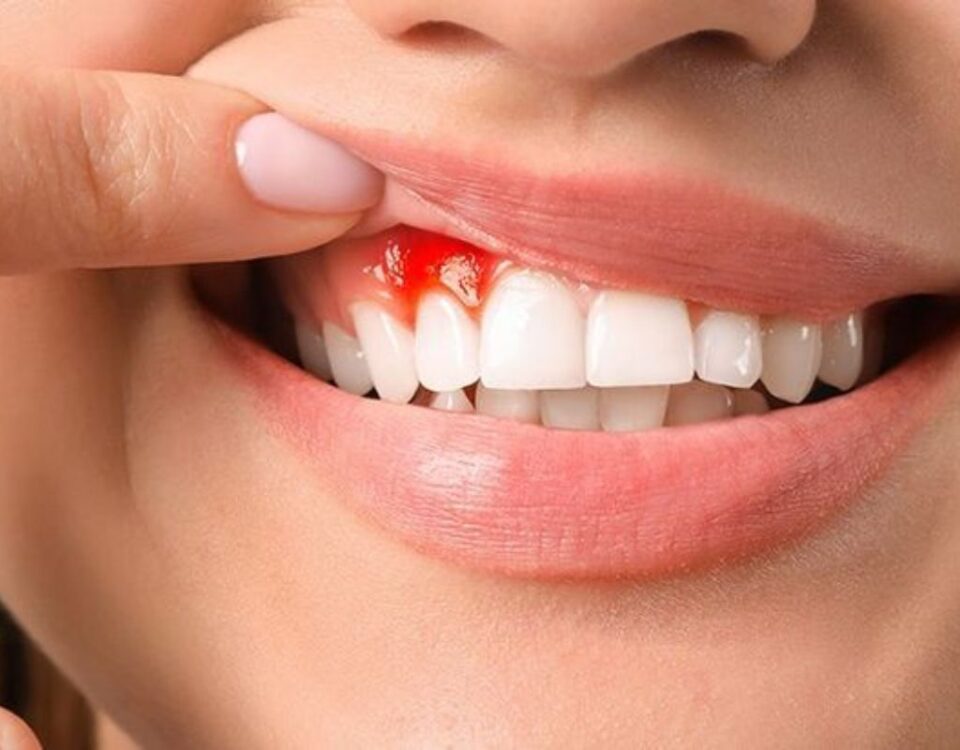
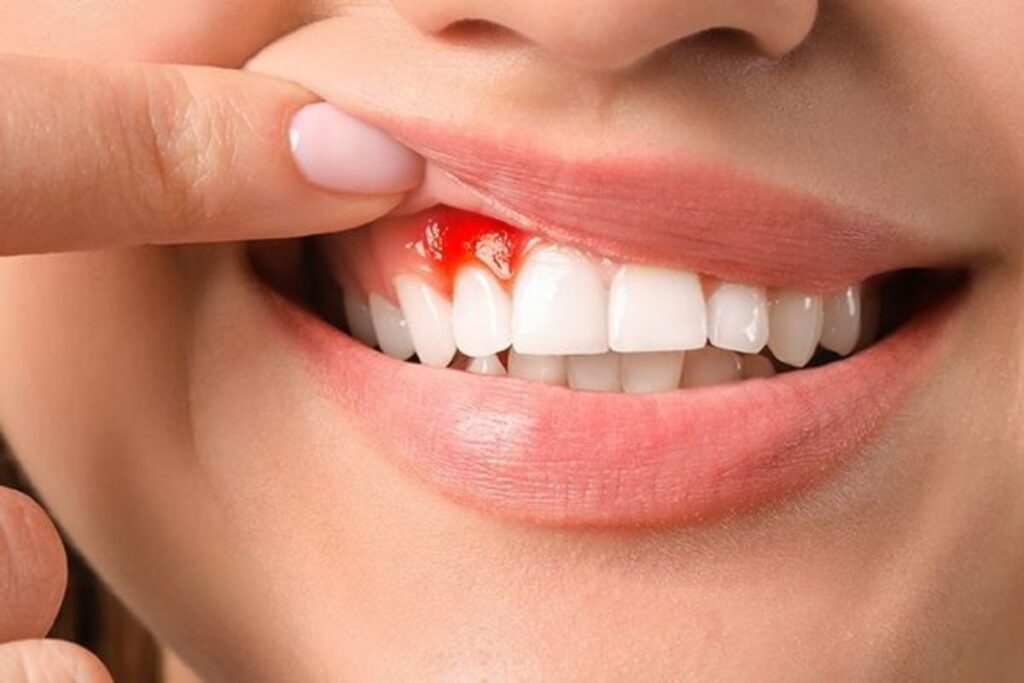
Tooth decay often does not show clear symptoms in the early stages. As it progresses, you may notice sensitivity to hot, cold, or sweet foods. A tooth with decay may develop visible holes or dark spots.
Pain is a common sign of advanced cavities and tooth decay. Bad breath and an unpleasant taste in the mouth can also indicate decaying teeth. If you feel discomfort while chewing, it may be due to a growing tooth decay cavity.
Stages of Tooth Decay
Tooth decay develops in stages. In the beginning, minerals are lost from the enamel, causing white spots to appear. This is the earliest stage of cavities on teeth.
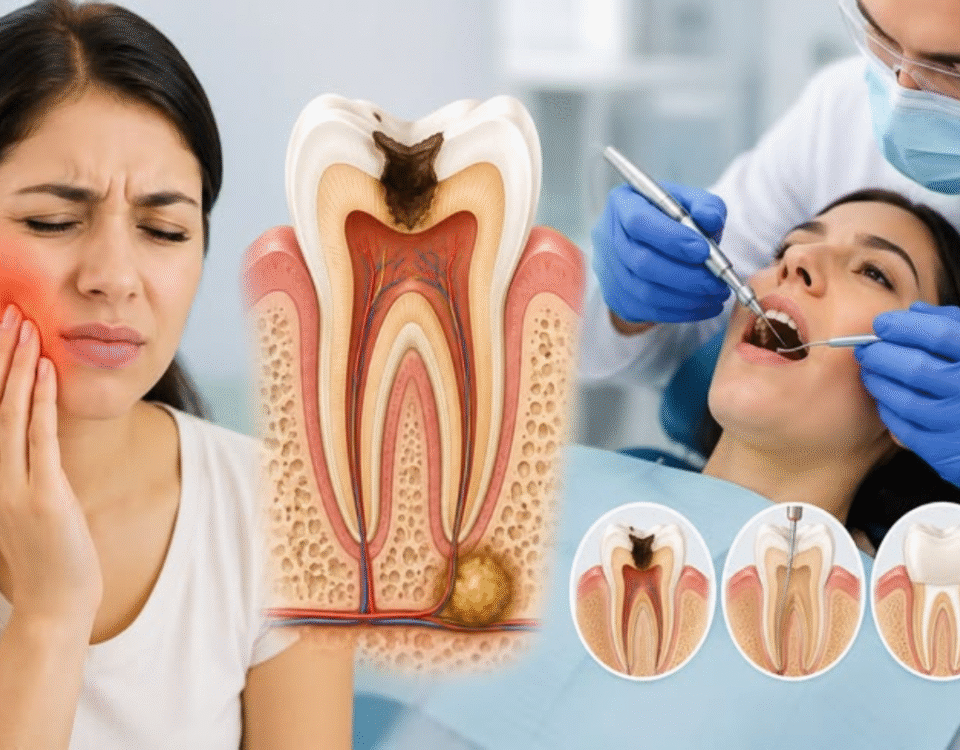
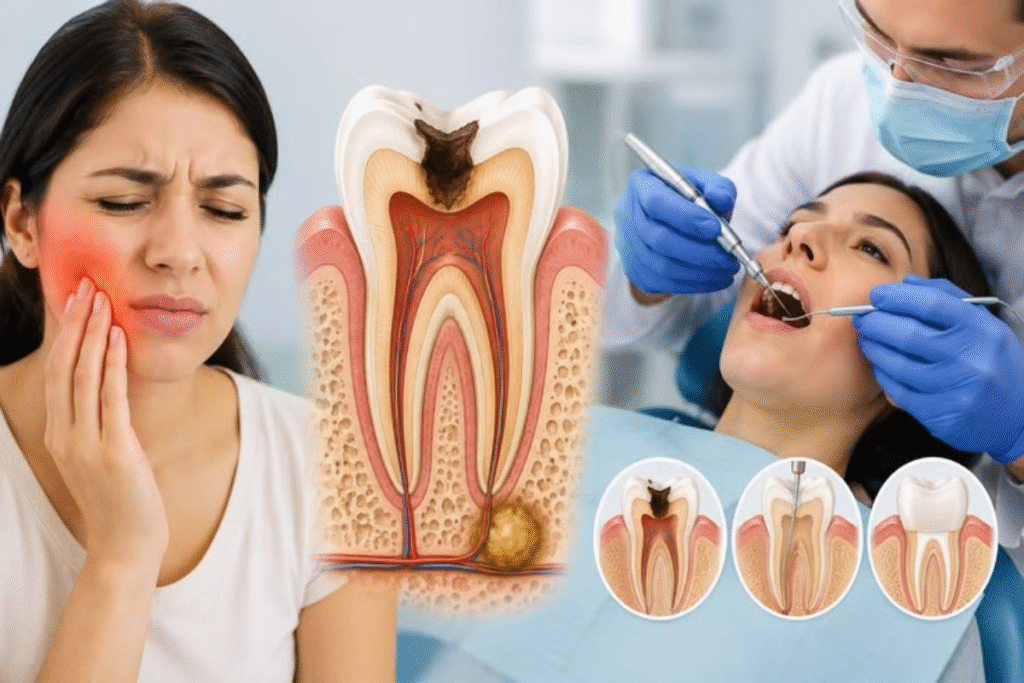
As the condition worsens, the enamel starts breaking down, forming a tooth decay cavity. The decay then reaches the dentin, which is softer and more sensitive. At this stage, a tooth with decay becomes more painful.
If untreated, the infection spreads to the pulp, causing severe pain and swelling. In the final stage, an abscess may form, leading to serious complications.
Diagnosis of Cavity Caries
Dentists diagnose cavity caries through regular check-ups. They examine cavities on teeth visually and may use dental tools to check for soft areas. X-rays are often used to detect hidden tooth decay between teeth.
Early diagnosis helps treat tooth decay before it becomes severe. A tooth with decay can often be saved if the problem is detected early.
Treatment Options for Tooth Decay
Treatment depends on how advanced the cavities and tooth decay are. In early stages, fluoride treatments can help restore enamel and stop decay.
For moderate cases, dentists use fillings to repair the tooth decay cavity. The decayed portion is removed and replaced with a filling material.
If the damage is severe, a crown may be placed over the tooth with decay to restore its shape and strength. When decay reaches the pulp, root canal treatment is needed to remove infection.
In extreme cases, badly decaying teeth may need to be removed to prevent the spread of infection.
Complications of Untreated Tooth Decay
Ignoring cavities and tooth decay can lead to serious problems. A small tooth decay cavity can grow larger and cause intense pain. Infection may spread to nearby tissues, leading to swelling and abscess formation.
Untreated decaying teeth can result in tooth loss and difficulty eating. In some cases, the infection can affect overall health.
Prevention of Cavities and Tooth Decay
Preventing cavities on teeth is simple with good habits. Brushing twice a day with fluoride toothpaste helps remove plaque and prevent tooth decay. Flossing daily cleans areas between teeth where food particles get trapped.
Limiting sugary foods and drinks reduces the risk of cavity caries. Drinking water throughout the day helps wash away bacteria.
Regular dental visits are important for detecting early signs of tooth decay. Using mouthwash can also help control bacteria and keep your mouth clean. Maintaining a balanced diet supports strong teeth and prevents decaying teeth.
Home Care Tips for Healthy Teeth
Good daily habits play a major role in preventing cavities and tooth decay. Brush properly using gentle circular motions. Replace your toothbrush regularly to ensure effective cleaning.
Avoid frequent snacking and rinse your mouth after meals. Chewing sugar-free gum can help increase saliva production and reduce acid levels.
Taking care of a tooth with decay early can prevent serious dental problems in the future.
Importance of Early Detection
Early detection of cavities and tooth decay can save your teeth and reduce treatment costs. A small tooth decay cavity can be treated quickly, but delaying treatment can lead to serious complications.
A tooth with decay may not always cause pain, so regular dental check-ups are essential. Identifying problems early helps maintain good oral health and prevents long-term damage.
Common Myths About Tooth Decay
Many people believe that only children get cavities on teeth, but adults are equally at risk. Another myth is that if there is no pain, there is no problem. In reality, tooth decay can develop silently.
Some think brushing once a day is enough, but proper oral care requires brushing twice daily and flossing regularly to prevent decaying teeth.
Diet and Dental Health
Diet plays a significant role in preventing cavities and tooth decay. Foods rich in calcium and vitamins help strengthen teeth. Dairy products, leafy greens, and nuts are beneficial for oral health.
Sugary and processed foods increase the risk of cavity caries. Limiting their intake helps protect teeth from damage.
When to Visit a Dentist
You should visit a dentist if you experience tooth pain, sensitivity, or visible cavities on teeth. A tooth with decay may require immediate attention to prevent further damage.
Regular dental check-ups help detect problems early and maintain healthy teeth.
Conclusion
Cavities and tooth decay are common but preventable conditions. By maintaining good oral hygiene and making healthy lifestyle choices, you can protect your teeth from damage. For comprehensive care and expert guidance, visiting the Best Multispecialty Hospital in Sohna Gurgaon can help you maintain overall dental and general health effectively.
Understanding the causes and symptoms of tooth decay helps in taking timely action. Whether it is a small tooth decay cavity or advanced cavity caries, proper care is essential.
With regular dental visits and good habits, you can avoid decaying teeth and enjoy a healthy smile for years to come.