Neonatal Jaundice: Complete Guide to Jaundice in Newborn Babies
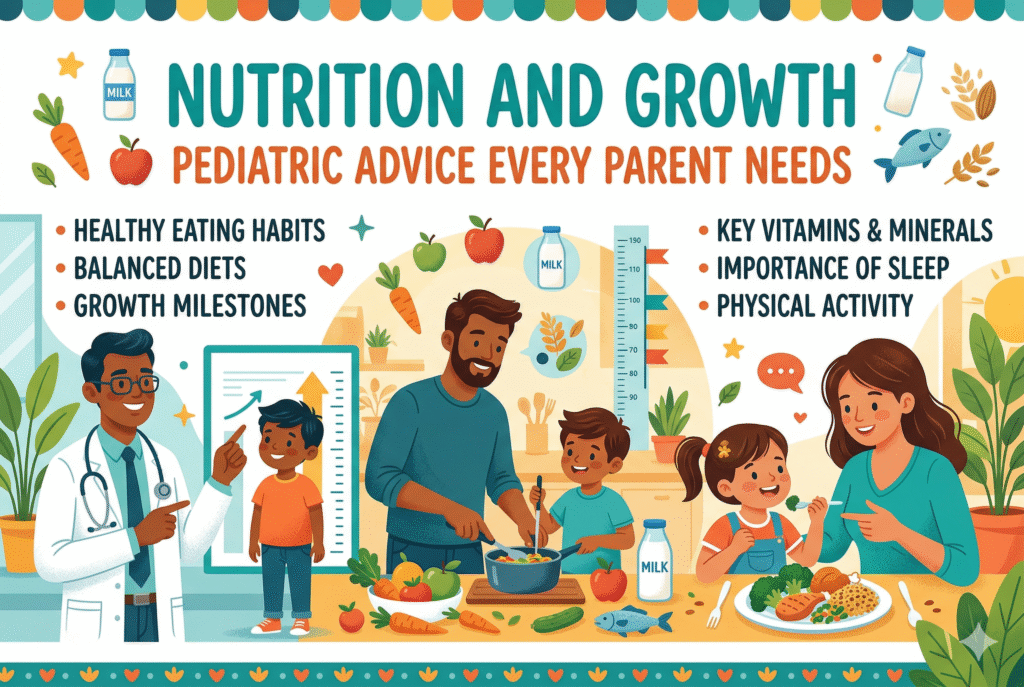
Nutrition and Growth in Children: What Every Parent Should Know
March 23, 2026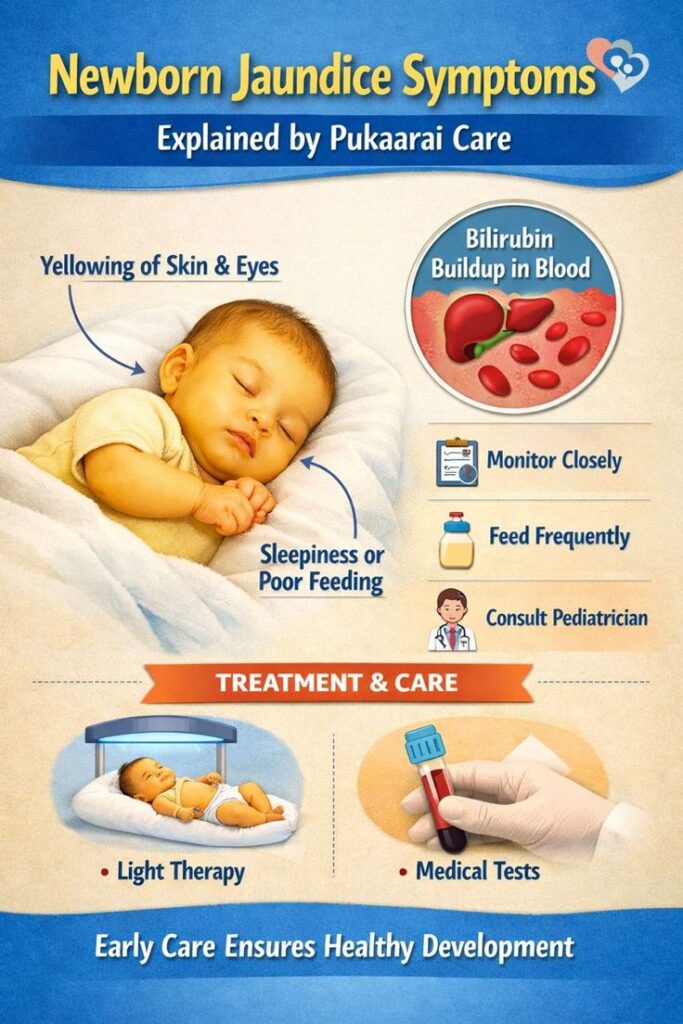
Introduction
Neonatal jaundice is a common condition that affects many newborn babies within the first few days after birth, often causing a yellowish discoloration of the skin and eyes that can be concerning for new parents, but in most cases, it is a temporary and harmless condition that resolves on its own as the baby’s body matures and becomes more efficient at processing bilirubin, a yellow pigment produced during the breakdown of red blood cells; consulting the Best Pediatrics Hospital in Sohna,Gurgaon can provide proper guidance, monitoring, and care during this phase, as understanding neonatal jaundice is important because early awareness of newborn jaundice symptoms, proper monitoring of baby bilirubin levels, and timely treatment for newborn jaundice can help prevent complications and ensure a healthy start for the baby’s life.
What is Neonatal Jaundice?
Neonatal jaundice occurs when there is an excess amount of bilirubin in the bloodstream of a newborn baby, which happens because a baby’s liver is still immature and not fully capable of removing bilirubin efficiently from the body, leading to its accumulation and causing the yellowish tint on the skin and eyes, and this is why doctors closely monitor baby bilirubin levels during the first few days after birth using simple tests to determine whether the condition is mild, moderate, or severe, and whether any medical intervention is required to manage neonatal jaundice effectively.
Newborn Jaundice Symptoms
Newborn jaundice symptoms usually appear between the second and fourth day after birth and may start with a slight yellowing of the baby’s face before gradually spreading to the chest, abdomen, arms, and legs as bilirubin levels increase, and parents may also notice that the whites of the baby’s eyes turn yellow, along with other signs such as poor feeding, unusual sleepiness, or lethargy, and in more serious cases, the baby may produce dark urine or pale stools, which are warning signs that should not be ignored and require immediate medical attention to avoid complications associated with high baby bilirubin levels.
Causes of Jaundice in Babies
There are several causes of jaundice in babies, with physiological jaundice being the most common type that occurs due to the natural immaturity of the newborn’s liver, while breast milk jaundice is another condition that can develop in breastfed babies because certain substances in the mother’s milk may interfere with the breakdown of bilirubin, although this type is generally harmless and resolves over time without stopping breastfeeding, and other causes of jaundice in babies include blood group incompatibility between the mother and the baby, which leads to faster breakdown of red blood cells, premature birth where the baby’s liver is even less developed, and in rare cases infections or underlying medical conditions that may increase baby bilirubin levels and require specialized treatment.
Understanding Baby Bilirubin Levels
Baby bilirubin levels are an essential factor in diagnosing and managing neonatal jaundice, as they indicate how much bilirubin is present in the baby’s blood and help doctors decide whether treatment for newborn jaundice is necessary, and these levels are typically measured using blood tests or non-invasive devices placed on the baby’s skin, with normal levels requiring no treatment, moderate levels needing observation and regular monitoring, and high levels requiring immediate medical attention to prevent complications such as brain damage, making it crucial for parents to follow the doctor’s advice regarding testing and follow-up visits.
Treatment for Newborn Jaundice
The treatment for newborn jaundice depends on how high the baby bilirubin levels are and how quickly they are rising, and in many mild cases, frequent feeding is enough to help the baby pass bilirubin through urine and stool, while in more moderate to severe cases, doctors may recommend phototherapy for jaundice, which involves placing the baby under special blue lights that help break down bilirubin in the skin into a form that can be easily eliminated from the body, and in very rare and critical situations, an exchange transfusion may be required to replace the baby’s blood and rapidly reduce bilirubin levels, ensuring that neonatal jaundice is treated safely and effectively.
Phototherapy for Jaundice
Phototherapy for jaundice is one of the most widely used and effective treatments for reducing high bilirubin levels in newborns, and during this procedure, the baby is placed under a special blue light while wearing protective eye covers, allowing the light to transform bilirubin into a water-soluble form that can be excreted easily, and this method is considered safe, non-invasive, and highly efficient, with most babies responding quickly to treatment, although it is important for parents to follow medical instructions carefully and ensure proper feeding and hydration during the therapy to support recovery.
Breast Milk Jaundice
Breast milk jaundice is a type of neonatal jaundice that usually appears after the first week of life and may last longer than physiological jaundice, but it is generally harmless and does not require stopping breastfeeding, as breast milk provides essential nutrients and immune support for the baby, and doctors usually advise continuing breastfeeding while monitoring baby bilirubin levels to ensure they gradually decrease, and in most cases, breast milk jaundice resolves on its own without any need for medical intervention.
Jaundice in Infants Prevention
Jaundice in infants prevention involves taking simple but effective steps such as ensuring that the baby is fed frequently from the first day of life to promote regular bowel movements that help eliminate bilirubin, observing newborn jaundice symptoms closely to detect any changes early, attending regular pediatric check-ups for monitoring baby bilirubin levels, and following the doctor’s guidance on care and treatment, which together can significantly reduce the risk of severe neonatal jaundice and help maintain the baby’s overall health.
When to See a Doctor
While neonatal jaundice is usually harmless, there are certain situations where parents should seek immediate medical attention, such as when the yellowing of the skin spreads to the arms and legs, the baby shows signs of poor feeding or extreme sleepiness, develops a high-pitched cry, or exhibits unusual behavior, as these may indicate dangerously high baby bilirubin levels that require urgent treatment for newborn jaundice to prevent serious complications.
Complications of Untreated Jaundice
If neonatal jaundice is not treated in time and baby bilirubin levels rise excessively, it can lead to serious complications such as kernicterus, a type of brain damage that can cause lifelong disabilities, hearing loss, or developmental delays, which is why early detection, proper monitoring, and timely treatment for newborn jaundice are extremely important to ensure the baby’s safety and healthy development.
Home Care Tips for Parents
Parents can play an important role in managing neonatal jaundice at home by ensuring that the baby is fed regularly, kept well hydrated, and observed carefully for any changes in skin color or behavior, while also following the doctor’s instructions regarding check-ups and treatment, as consistent care and attention can help reduce baby bilirubin levels naturally and support the baby’s recovery.
Conclusion
Neonatal jaundice is a common condition that can be effectively managed with proper knowledge, early detection, and appropriate care, and by understanding newborn jaundice symptoms, identifying the causes of jaundice in babies, monitoring baby bilirubin levels, and using treatments like phototherapy for jaundice when necessary, consulting the Best Multispecialty Hospital in Sohna Gurgaon ensures expert care and timely intervention, so parents can ensure their baby’s well-being and prevent complications, while conditions such as breast milk jaundice are usually harmless and temporary, and with the right approach to jaundice in infants prevention, most babies recover quickly and grow healthy without any long-term effects.
1. What is neonatal jaundice?
Neonatal jaundice is a common condition in newborn babies where the skin and eyes turn yellow due to high bilirubin levels in the blood. It usually appears within the first few days after birth and often resolves on its own.
2. What are the main newborn jaundice symptoms?
The most common newborn jaundice symptoms include yellowing of the skin and eyes, especially starting from the face, along with sleepiness, poor feeding, and in severe cases, dark urine or pale stools.
3. What causes jaundice in babies?
There are several causes of jaundice in babies, including an immature liver, breast milk jaundice, premature birth, and blood group incompatibility, all of which can lead to increased bilirubin levels.
4. How is treatment for newborn jaundice done?
Treatment for newborn jaundice depends on severity and may include frequent feeding, monitoring baby bilirubin levels, and medical treatments like phototherapy for jaundice to reduce bilirubin quickly.
5. Can neonatal jaundice be prevented?
Jaundice in infants prevention is not always possible, but early and frequent feeding, regular check-ups, and monitoring newborn jaundice symptoms can help reduce the risk of severe cases.