Dental Implants: Benefits, Procedure and Recovery

Tooth Sensitivity: Causes and Treatment
September 17, 2026
10 Effective Tips for Maintaining Healthy Teeth and Gums
September 24, 2026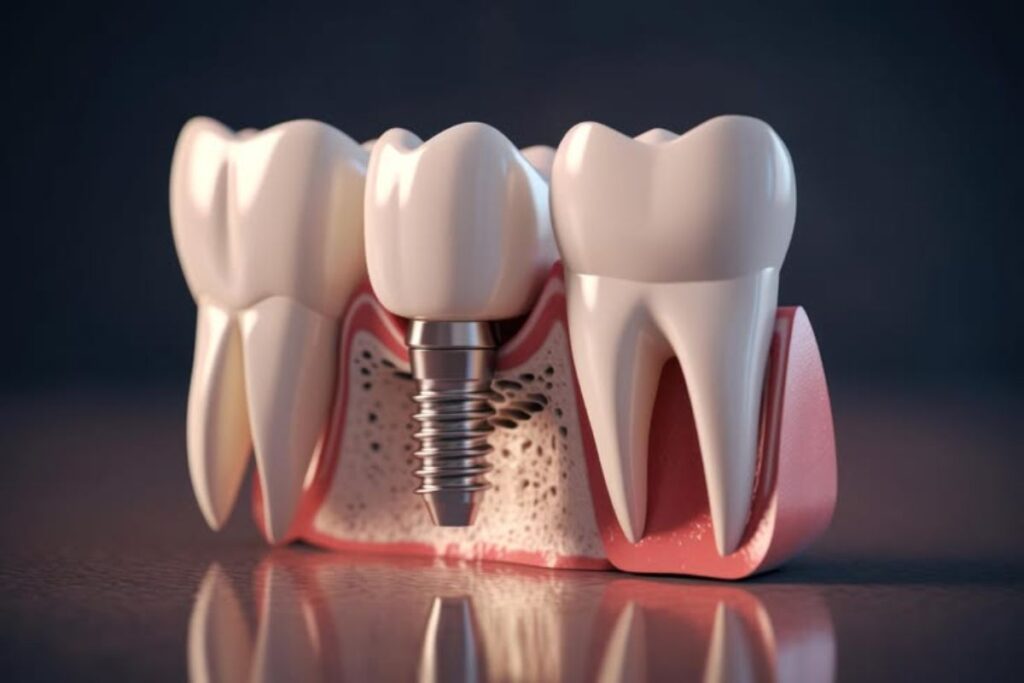
Missing teeth can affect more than your smile. They may make chewing difficult, affect speech, and sometimes change the way the remaining teeth function. Dental implants are one option used to replace missing teeth and restore both appearance and function. They are designed to provide a stable foundation for replacement teeth and can be considered for people who have lost one or more teeth.
Understanding how implants work, their potential advantages, the treatment process, and the recovery period can help you make an informed decision about your oral health. If you are considering implant treatment, consulting a Best Dental Hospital in Sohna Gurgaon can help you understand the available options and whether dental implants are suitable for your needs.
However, suitability depends on individual dental and overall health, so an examination by a qualified dental professional is important before treatment.
What Are Dental Implants?
Dental implants are artificial tooth roots that are placed into the jawbone to support replacement teeth. They are generally made from biocompatible materials such as titanium. After placement, the implant can gradually integrate with the surrounding bone through a process known as osseointegration.
Once healing and integration have taken place, an abutment may be connected to the implant. This component supports a dental crown, bridge, or other restoration designed to replace the missing tooth or teeth.
Unlike removable dentures, implants are fixed in the mouth. They can provide stability while eating and speaking and are designed to resemble and function similarly to natural teeth when properly planned and maintained.
Dental Implants Benefits
There are several potential dental implants benefits, which is why this treatment is considered by many people with missing teeth.
Improved Appearance
A replacement tooth supported by an implant can be designed to match the surrounding teeth in shape and color. This can help create a more natural-looking smile.
Better Chewing Function
Missing teeth can make it difficult to chew certain foods. A stable implant-supported restoration can help restore chewing ability and allow many people to enjoy a wider range of foods.
Support for Jawbone Health
When a tooth is lost, the underlying jawbone may gradually lose volume because it no longer receives normal stimulation from the tooth root. An implant can provide stimulation to the surrounding bone and may help reduce bone loss in the treated area.
Improved Speech
Loose dentures can sometimes move while speaking and affect pronunciation. Since implants are fixed in place, they may provide greater stability and help support clearer speech.
Long-Term Tooth Replacement
With appropriate treatment planning, good oral hygiene, and regular dental care, implant-supported restorations can provide a durable solution. The lifespan of an implant and its restoration can vary depending on oral hygiene, lifestyle, bone health, and other individual factors.
Who May Need Dental Implant Treatment?
Dental implant treatment may be considered for people who have lost teeth because of decay, gum disease, injury, infection, or other dental conditions.
However, not everyone is immediately suitable for implant placement. A dentist or implant specialist may evaluate the condition of your gums, jawbone, remaining teeth, and overall oral health before recommending treatment.
Adequate bone volume is often important because the implant needs sufficient support. In some situations, additional procedures may be considered to improve the available bone before implant placement.
Patients with active gum disease or certain untreated dental problems may need these conditions addressed before proceeding with implants.
Dental Implant Procedure: What to Expect
The dental implant procedure generally takes place over several stages rather than being completed in a single appointment.
1. Initial Dental Examination
The first stage involves a detailed dental examination. Your dentist may examine your teeth and gums and use dental X-rays or other imaging to evaluate the jawbone and surrounding structures.
Your medical and dental history may also be reviewed. This helps the dental team determine whether implants are appropriate and develop an individualized treatment plan.
2. Implant Placement
During the implant placement stage, the dentist or oral surgeon places the implant into the jawbone at the planned location. Local anesthesia or another appropriate form of anesthesia may be used depending on the procedure and patient.
After placement, the area needs time to heal. The length of healing can vary between individuals.
3. Osseointegration
During healing, the implant gradually bonds with the surrounding jawbone. This process, called osseointegration, provides the foundation needed to support the final restoration.
The healing period may take several months depending on factors such as bone quality, the implant site, and individual healing.
4. Abutment Placement
Once the implant has sufficiently integrated with the bone, an abutment may be attached. The abutment connects the implant to the final replacement tooth.
In some treatment plans, the abutment may be placed during the initial implant procedure. The exact approach depends on the individual case.
5. Crown or Restoration Placement
After the gums have healed and the treatment site is ready, a customized crown or other restoration is attached to the implant. The restoration is designed to fit comfortably and function with the surrounding teeth.
Your dentist will check the bite and appearance to ensure the restoration is properly positioned.
Dental Implant Recovery
Dental implant recovery varies from person to person. Some people experience mild discomfort, swelling, or sensitivity after implant placement. These symptoms are generally managed according to the instructions provided by the dental professional.
Following the recommended aftercare instructions can support proper healing.
Maintain Oral Hygiene
Keeping the mouth clean is important after implant surgery. Your dentist may provide specific instructions about brushing, flossing, rinsing, and cleaning around the treatment area.
Avoid disturbing the surgical site while it heals.
Follow Dietary Instructions
Depending on the procedure, your dentist may recommend soft foods for a certain period. Avoiding very hard, sticky, or excessively hot foods immediately after surgery may help protect the healing area.
Avoid Smoking
Smoking can interfere with healing and may increase the risk of complications. If you smoke, discuss this with your dental professional before undergoing implant treatment.
Attend Follow-Up Appointments
Follow-up visits allow the dental team to monitor healing and determine when the implant is ready for the next stage of treatment.
How to Care for Dental Implants
Once treatment is complete, implants still require regular care. Although an implant cannot develop tooth decay like a natural tooth, the surrounding gums and tissues can still be affected by plaque and gum disease.
Brush your teeth regularly using an appropriate toothbrush and toothpaste. Clean between the teeth and around the implant as recommended by your dentist. Professional dental cleanings and routine examinations are also important.
A balanced diet and healthy oral hygiene habits can further support long-term oral health.
Are Dental Implants Right for Everyone?
The suitability of implants depends on several factors. These can include jawbone condition, gum health, oral hygiene, medical history, lifestyle habits, and the number and location of missing teeth.
Some patients may need additional dental procedures before receiving implants. Your dentist can explain the available options after examining your specific situation.
It is also important to have realistic expectations. Although implants can provide a stable and natural-looking tooth replacement, treatment involves multiple stages and requires proper aftercare.
Final Thoughts
Dental implants can provide a stable way to replace missing teeth and may help restore chewing, speech, appearance, and confidence. Understanding the dental implants benefits, treatment stages, and expected healing process can help patients prepare for their dental care journey.
The dental implant procedure usually involves assessment, implant placement, healing, abutment placement, and restoration. While dental implant recovery varies between individuals, following professional aftercare instructions can support healing and reduce potential complications. Patients with additional healthcare needs may also benefit from discussing their overall health with specialists, including a General Surgery Hospital Sohna Gurgaon, when appropriate.
If you are considering dental implant treatment, consult a qualified dental professional for a personalized examination and treatment plan. They can assess your oral health, explain suitable options, and help you understand the expected timeline, maintenance requirements, and potential risks.