Karwa Chauth During Pregnancy: Essential Safety Tips

Wisdom Teeth Removal: Essential Recovery and Aftercare Tips for Faster Healing
October 19, 2026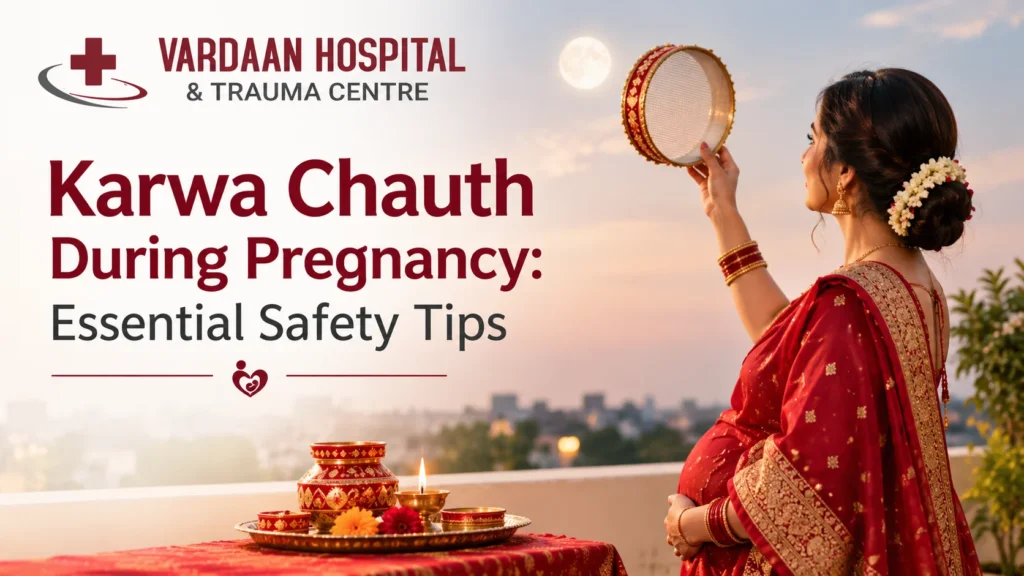
Celebrating festivals when you are expecting a baby brings a completely different kind of glow and excitement to your home. Every mom-to-be wants to cherish these traditional moments, apply henna on her hands, dress up in festive attire, and pray for her partner’s long life and happiness. However, planning for Karwa Chauth during pregnancy requires a much more relaxed, mindful, and flexible mindset than usual. Because your body is working around the clock to nurture a growing life, going without food and water for an entire day can quickly drain your energy reserves and make you feel exhausted.
Before you set your alarm for the early morning ritual, it is super important to have an honest chat with the caring doctors at Vardaan Hospital & Trauma Centre, a trusted choice for families looking for the best multispecialty hospital in sohna. Every single trimester brings its own set of physical changes, and a quick checkup will help you decide how to adjust your festive routine safely. Your doctor can guide you on staying hydrated, eating nutritious meals, and avoiding prolonged fasting to support your health and your baby’s development. With the right medical advice, you can celebrate Karwa Chauth while prioritizing your well-being and your little one’s.
How to Approach Karwa Chauth During Pregnancy Safely
Traditions are meant to celebrate life, love, and deep family bonds, which means your physical well-being and your baby’s health always come first. Many expectant mothers feel torn between following age-old customs and taking care of their changing nutritional requirements. The wonderful news is that you do not have to choose one over the other. Elders and family members today completely understand that a growing baby needs a steady supply of energy, vitamins, and fluids throughout the day.
Modifying the traditional rules is not about breaking customs; it is about celebrating responsibly with your little one in mind. Your body experiences significant shifts in blood sugar levels and blood pressure while you are expecting. Skipping meals for twelve to fourteen hours straight can trigger sudden weakness, acidity, or a state called ketosis, where the body starts burning fat instead of glucose for fuel. Looking into reliable pregnancy fasting tips ahead of time helps you swap a strict routine for a fruit-and-liquid diet, allowing you to participate in every prayer with a big smile on your face while keeping your baby completely nourished inside the womb.
Understanding Your Trimester Needs
Your experience with festive routines depends heavily on how far along you are in your motherhood journey. In the first trimester, morning sickness, food aversions, and extreme fatigue are very common. Leaving your stomach empty during these initial three months can make nausea and vomiting much worse. If you are in your first trimester, keeping plain crackers, dry toast, or ginger water by your bedside is a smart way to settle your tummy right when you wake up.
The second trimester is often called the golden period because energy levels return and morning sickness usually fades away. Even if you feel super energetic during these middle months, your baby is growing rapidly and needs continuous hydration and protein. By the time you reach the third trimester, your baby is putting extra pressure on your stomach and bladder, and your body gets tired much faster. During this final stretch, following tailored Karwa Chauth pregnancy tips like eating small, frequent portions every two hours is the secret to avoiding severe heartburn and dizziness.
Smart Ways to Plan Your Festive Morning
If your doctor gives you the green light to observe a modified routine, a little bit of morning preparation will make the daylight hours fly by smoothly. Keep these simple Karwa Chauth pregnancy tips in mind to keep your stamina steady from sunrise to moonrise:
- Never skip the early morning meal: Wake up in plenty of time to enjoy a calm, wholesome sargi without rushing. Pack your plate with slow-digesting complex carbohydrates and proteins like oatmeal, vegetable poha, whole-wheat parathas with minimal oil, a bowl of fresh curd, and a handful of soaked almonds and walnuts.
- Cut back on extra sugar and salt: Eating heavy, syrup-soaked sweets in the morning will spike your blood sugar quickly and make you crash with exhaustion by noon. Similarly, salty or spicy fried snacks will only make your mouth dry and leave you feeling twice as thirsty all afternoon.
- Keep a snack basket within reach: Fill a small tray with sliced apples, bananas, pomegranate seeds, steamed sprouts, or lightly roasted makhana. Grazing on these nutrient-rich options every couple of hours ensures your stomach never stays empty.
- Choose breathable, comfortable fabrics: Heavy embroidered sarees or tight lehengas look gorgeous in family photos, but they can make you feel hot, itchy, and suffocated over several hours. Wear lightweight cotton suits or soft, flowy fabrics during the day, and change into your grand festive outfit just an hour before the evening prayers begin.
Why Hydration Matters Most
Going without water—traditionally known as a nirjala routine—is a strict no-no when you have a baby on board. Healthy amniotic fluid levels, smooth blood circulation to the placenta, and proper body temperature regulation all depend heavily on how much liquid you drink from morning to night. Dehydration can quickly lead to painful leg cramps, urinary tract infections, or even premature uterine contractions.
Instead of skipping liquids, turn hydration into a fun part of your festive schedule. Keep a big bottle of normal water, tender coconut water, homemade buttermilk (chaas), lemon water with a pinch of rock salt, or fresh fruit juice right next to your favorite couch. Taking small, steady sips every thirty minutes is one of the easiest pregnancy fasting tips to keep headaches away, prevent bloating, and stop you from feeling lightheaded when you stand up from a chair.
Making the Afternoon and Evening Comfortable
How you spend the middle of the day determines how fresh you will feel when the moon finally comes out. Among the most practical pregnancy fasting tips is to conserve your physical energy and stay away from kitchen heat or heavy household chores. Let your partner and family members handle the festive arrangements, decorations, and cooking while you take a long afternoon nap.
If you feel bored while resting in your room, spend the afternoon doing gentle, relaxing activities that make you happy. Listen to soothing music, read a comforting book, watch a lighthearted movie with your family, or simply talk to the baby kicking inside your belly. When it is time for the afternoon or evening story session (katha), avoid sitting cross-legged on the hard floor for too long, as this can cut off circulation to your legs. Sit on a cozy sofa or a sturdy chair with a soft pillow supporting your lower back, and prop your swollen feet up on a low footstool.
Warning Signs You Should Never Ignore
Even when you are sipping healthy fluids and munching on fresh fruits all day, observing Karwa Chauth during pregnancy can sometimes catch your body off guard. You should never push through physical discomfort just to complete a ritual. Pause your routine immediately, drink a glass of sweet lime water, eat a proper meal, and call your doctor if you notice any of these warning signals:
- Sudden dizziness, blurred vision, fainting spells, or a spinning sensation in your head.
- Persistent nausea, vomiting, or burning acidity that makes it hard to keep liquids down.
- A noticeable slowdown or drop in your baby’s usual kicks, rolls, and movements.
- Sharp cramps in your lower belly, pelvic pressure, or dull, rhythmic pain in your lower back.
- Extreme weakness, cold sweats, or a sudden, pounding headache that does not go away with rest.
Ending the Evening Rituals Gently
Once the moon finally peeks through the night clouds and you finish your prayers through the sieve, resist the urge to dive straight into a heavy, spicy, or deep-fried festive dinner. After a full day of light eating during karwa chauth during pregnancy, your digestive system becomes sensitive and needs a gentle wake-up call.
Start by taking a few sips of lukewarm water or fresh coconut water along with two soft dates or a small piece of fruit. Give your stomach about twenty to thirty minutes to settle before sitting down for your main dinner. Sharing these mindful karwa chauth pregnancy tips with your family before dinner helps everyone understand why you need light food instead of rich festive curries. Choose warm, comforting, and easily digestible dishes like soft vegetable khichdi, moong dal soup, soft rotis with lightly spiced paneer gravy, or steamed rice with curd. Eating slowly and keeping the spices mild will prevent midnight indigestion, acid reflux, and gas, allowing you to sleep peacefully through the night.
Conclusion
Enjoying karwa chauth during pregnancy is all about surrounding yourself with positivity, laughter, and warmth without putting an ounce of stress on your body. When you listen to your natural hunger cues, keep sipping nourishing drinks, and rest whenever your body asks for a break, the day turns into a cherished memory for both you and your partner. Never hesitate to prioritize your little one’s nutrition over strict customs. If you ever feel unsure about your diet plan or experience any physical discomfort during the festivities, the supportive medical team at Vardaan Hospital & Trauma Centre is always there to keep your motherhood journey safe and joyful.
FAQs About Karwa Chauth During Pregnancy
Q. Can fasting for long hours reduce the baby’s weight?
A single day of modified fasting with regular fruits and liquids will not affect your baby’s weight. However, starving yourself completely deprives the fetus of essential glucose and nutrients needed for steady growth.
Q. Why does a baby kick less when the mother is hungry?
Your baby gets direct energy from the food you eat. When your blood sugar drops during a fast, the baby slows down movements to conserve energy, which typically resolves once you drink fresh juice or eat a meal.
Q. Can my husband keep the fast on my behalf during pregnancy?
Yes, many partners choose to observe the fast when the mother-in-waiting is advised against it. It is a thoughtful way to honor the tradition while prioritizing maternal and fetal health.
Q. Is it safe to eat traditional pheni during the morning sargi?
While milk-soaked pheni is a classic ritual food, it is deep-fried and high in refined carbohydrates. Eat just a couple of spoons for tradition and fill the rest of your plate with high-fiber oats, nuts, and proteins.
Q. How can I prevent leg swelling during the evening puja?
Sitting with folded legs or standing for long durations slows down blood circulation in the lower body. Do gentle ankle rotations every hour and keep your feet elevated on a soft cushion until the moon appears.