Wisdom Teeth Removal: Essential Recovery and Aftercare Tips for Faster Healing

Healthy Eating and Fasting Tips for Karwa Chauth
October 16, 2026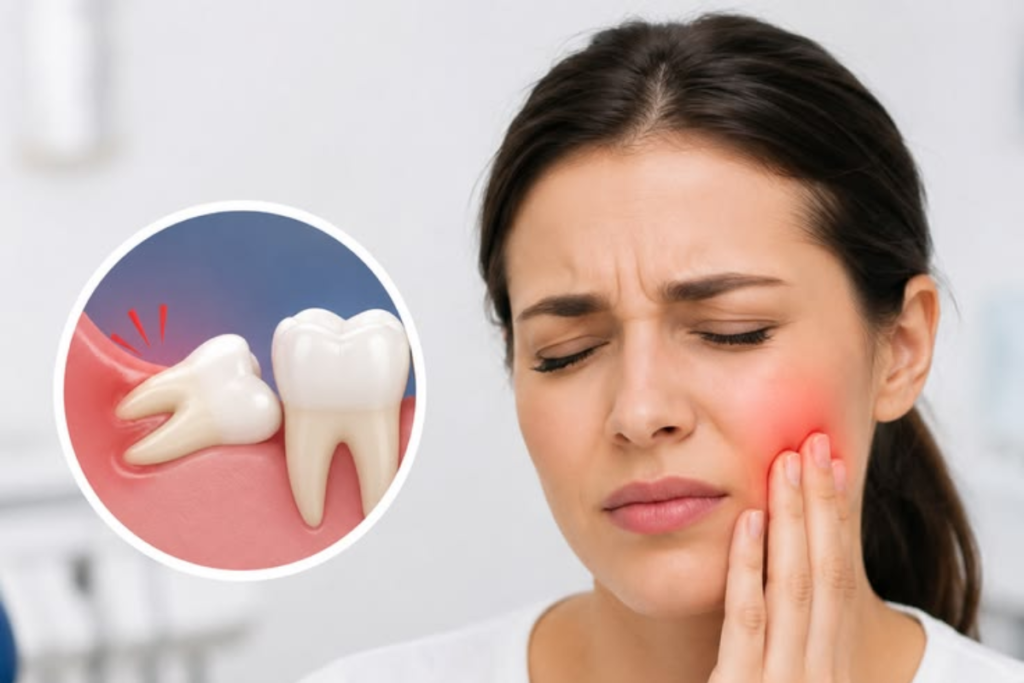
Wisdom teeth are the last set of molars to develop, usually appearing during the late teenage years or early adulthood. While some people experience no problems, others may develop pain, swelling, gum infections, or overcrowding when these teeth do not have enough space to emerge properly. In such cases, a dentist may recommend wisdom tooth removal to protect oral health and prevent further complications.
Understanding the recovery process and following appropriate aftercare instructions can help reduce discomfort and support healing. Consulting a trusted dental professional at the Best Dental Hospital in Sohna Gurgaon can help patients understand the procedure, recovery expectations, and ways to maintain proper oral hygiene after surgery. Knowing what to expect after the procedure, which foods to eat, and when to contact your dentist can make the experience more manageable. Every patient heals differently, so following your dentist’s personalized recommendations is essential for a smooth recovery.
What to Expect After Wisdom Tooth Removal
Wisdom tooth removal is a common dental procedure performed when wisdom teeth cause problems or are likely to create future complications. Depending on the position of the tooth, the dentist may perform a simple extraction or a surgical extraction. The procedure is usually carried out under local anaesthesia, although sedation or general anaesthesia may be appropriate in certain cases.
After the procedure, it is normal to experience some swelling, mild bleeding, jaw stiffness, and tenderness around the extraction site. These symptoms are generally temporary and should gradually improve over the following days.
Your dentist may place gauze over the extraction site to help control bleeding. Bite gently on the gauze as instructed, and avoid disturbing the blood clot that forms in the socket. This clot protects the underlying tissues and plays an important role in the healing process.
Resting after the procedure and following your dentist’s instructions can help you manage the initial discomfort. Avoid strenuous physical activity during the early recovery period, especially during the first 24 to 48 hours.
Understanding the Wisdom Tooth Recovery Timeline
The wisdom tooth recovery period varies depending on the complexity of the extraction, the number of teeth removed, and your general health. A simple extraction may involve a shorter recovery, while surgical removal of impacted teeth can require additional healing time.
During the first 24 hours, some bleeding, swelling, and discomfort are common. Rest, follow your dentist’s instructions, and avoid activities that could disturb the blood clot. Do not rinse your mouth vigorously, spit forcefully, or use a straw during this period.
Between the second and third days, swelling may become more noticeable before gradually improving. You may experience difficulty opening your mouth fully or chewing certain foods. Applying a cold pack externally during the first 24 hours, as directed by your dentist, may help reduce swelling.
From the fourth day onward, discomfort and swelling should generally begin to decrease. Continue eating soft foods, maintaining gentle oral hygiene, and avoiding activities that could irritate the extraction site.
Most people feel considerably better within one to two weeks, although complete healing of the gum and underlying bone takes longer. The socket may remain visible for several weeks as new tissue develops.
If pain or swelling becomes worse instead of improving, contact your dentist for an examination.
Essential Wisdom Tooth Aftercare Tips
Following proper wisdom tooth aftercare helps protect the extraction site and reduces the risk of complications. Your dentist may provide specific instructions depending on the procedure, so always follow those recommendations first.
1. Protect the blood clot
A blood clot forms naturally inside the extraction socket. Avoid touching the area with your fingers or tongue, and do not disturb it while cleaning your mouth. Losing the clot can expose the underlying bone and cause a painful condition known as dry socket.
2. Rest after the procedure
Take it easy for at least the first 24 hours. Avoid heavy exercise, lifting weights, and other strenuous activities until your dentist says it is safe to resume them. Keeping your head slightly elevated while resting may also help manage swelling.
3. Maintain gentle oral hygiene
During the first 24 hours, avoid vigorous rinsing or spitting. After that, your dentist may recommend gently rinsing your mouth with warm salt water, particularly after meals. Brush your other teeth carefully, but avoid disturbing the extraction site.
4. Avoid smoking and vaping
Smoking and vaping can interfere with healing and increase the risk of dry socket. Avoid them during recovery, following your dentist’s guidance. Alcohol should also be avoided when it could interfere with prescribed medication or delay healing.
5. Take medication as directed
Use pain relievers or other prescribed medicines according to your dentist’s instructions. Do not exceed the recommended dose or take additional medication without checking whether it is suitable for you.
These simple measures can help protect the extraction site while your gums recover.
Managing Pain and Swelling After Extraction
Some discomfort is expected after an extraction, particularly during the first few days. The level of pain depends on the complexity of the procedure and your individual healing response.
To manage pain after wisdom tooth extraction, follow your dentist’s medication instructions and use a cold pack against the outside of your cheek during the first 24 hours if recommended. Apply it for short intervals rather than keeping it against your skin continuously.
Avoid placing ice directly on your skin. Resting, staying hydrated, and choosing soft foods can also make recovery more comfortable.
Swelling may increase during the first two or three days before gradually subsiding. After the initial 24 hours, your dentist may recommend warm compresses to help relieve jaw stiffness.
Do not place aspirin directly on the gums, as this can irritate the tissues. If your dentist prescribes antibiotics, take them exactly as directed. Antibiotics are not necessary for every extraction and should only be used when prescribed.
Contact your dentist if you experience severe or worsening pain, persistent bleeding, fever, pus, or swelling that continues to increase. Difficulty breathing or swallowing requires urgent medical attention.
Foods to Eat and Avoid During Recovery
Choosing suitable foods can reduce irritation and help you maintain adequate nutrition while your mouth heals. During the first few days, choose soft foods that require minimal chewing.
Good options include:
- Yoghurt and soft cheese.
- Mashed potatoes.
- Smooth soups served lukewarm.
- Scrambled eggs.
- Oatmeal that has cooled to a comfortable temperature.
- Soft, well-cooked vegetables.
- Smoothies eaten with a spoon rather than through a straw.
Drink plenty of water to stay hydrated, but avoid using a straw because suction can disturb the blood clot.
Avoid hard, crunchy, sticky, spicy, and very hot foods during the early recovery period. Nuts, popcorn, chips, and seeds may irritate the extraction site or become trapped in the socket.
Gradually return to your usual diet as your comfort improves and your dentist advises. Chew away from the extraction site when possible, and avoid forcing yourself to eat foods that cause pain.
How to Promote Faster Healing
Healing after wisdom tooth removal depends on several factors, including the complexity of the procedure, oral hygiene, general health, and adherence to aftercare instructions. Although you cannot make the tissues heal instantly, you can create conditions that support normal recovery.
Start by getting adequate sleep and allowing your body time to recover. Eat balanced meals containing protein, vitamins, and minerals to support tissue repair. Eggs, yoghurt, soft vegetables, and other nutrient-rich foods can be helpful while chewing remains uncomfortable.
Drink enough water throughout the day and avoid smoking. Keep your mouth clean without disturbing the extraction site. Follow your dentist’s recommendations about rinsing, brushing, medication, and follow-up appointments.
Do not repeatedly touch the socket to check whether it has healed. Avoid using mouthwashes or home remedies that your dentist has not recommended, particularly products that may irritate the surgical area.
Remember that recovery varies from person to person. If you have diabetes, take medicines that affect bleeding, or have another medical condition that may influence healing, discuss this with your dentist.
When to Contact Your Dentist
Although most patients recover without serious problems, certain symptoms require professional attention. Contact your dentist if bleeding does not stop despite following the recommended pressure instructions, or if pain becomes severe after initially improving.
A condition called dry socket may develop when the protective blood clot is lost or breaks down prematurely. It can cause intense pain that may spread toward the ear or jaw and often appears a few days after extraction.
Other warning signs include fever, pus, an unpleasant taste accompanied by increasing pain, or swelling that worsens rather than improves.
Seek emergency medical care if you experience difficulty breathing or swallowing, or rapidly increasing swelling that affects your throat.
Attending any recommended follow-up appointment allows your dentist to check the extraction site and address concerns before they become more serious.
Conclusion
Proper care after wisdom tooth removal is essential for a comfortable recovery and healthy healing. Following your dentist’s instructions, maintaining gentle oral hygiene, eating soft and nutritious foods, and getting adequate rest can help reduce discomfort and prevent complications. If you need additional medical attention during recovery, consulting professionals at a General Surgery Hospital Sohna, Gurgaon can help you understand the appropriate next steps for your health concerns. Avoid smoking, using straws, and disturbing the extraction site during the initial healing period. Remember that recovery time varies depending on the complexity of the procedure and your overall health. If you experience severe pain, persistent bleeding, fever, or increasing swelling, contact your dentist promptly for professional evaluation and appropriate treatment.