Common Dental Problems and Treatment: A Complete Guide

Uterine Fibroids: Signs, Causes, Diagnosis and Care
October 1, 2026
How Often Should You Visit a Dental Surgeon?
October 8, 2026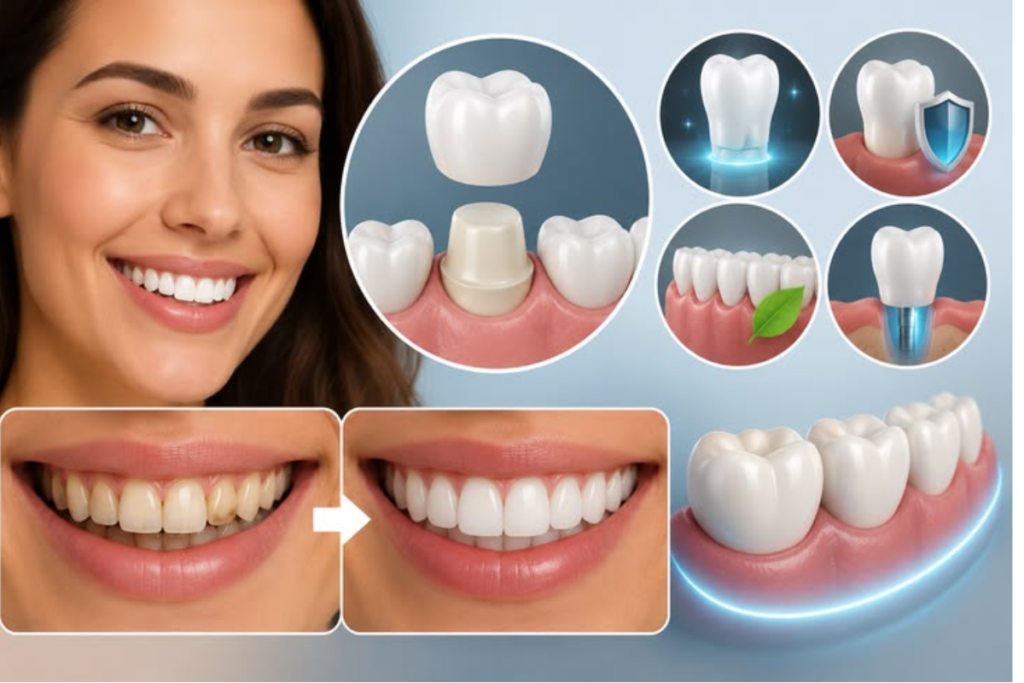
Most of us don’t think about our teeth until something hurts. A sharp twinge when you sip hot tea, bleeding gums while brushing, or a stubborn bad taste can all be early signs of trouble. Understanding common dental problems helps you act early, save money, and keep your natural teeth for life. If you experience persistent symptoms, consulting a Best Dental Hospital in Sohna Gurgaon can help you receive a proper dental evaluation and timely care. This guide covers dental problems and treatment in plain language, so you know what to look for and when to call your dentist.
Why Dental Problems Happen
Your mouth is home to billions of bacteria. When you eat sugary or starchy food, these bacteria feed on it and produce acids that attack your teeth and irritate your gums. Over time, a sticky film called plaque builds up. If it isn’t removed, it hardens into tartar, which only a dentist can clean off.
Poor brushing habits, frequent snacking, tobacco use, dry mouth, and skipping dental check-ups all raise your risk. The good news is that most common dental problems are preventable, and nearly all are easier to treat when caught early.
Tooth Decay: The Most Common Dental Problem
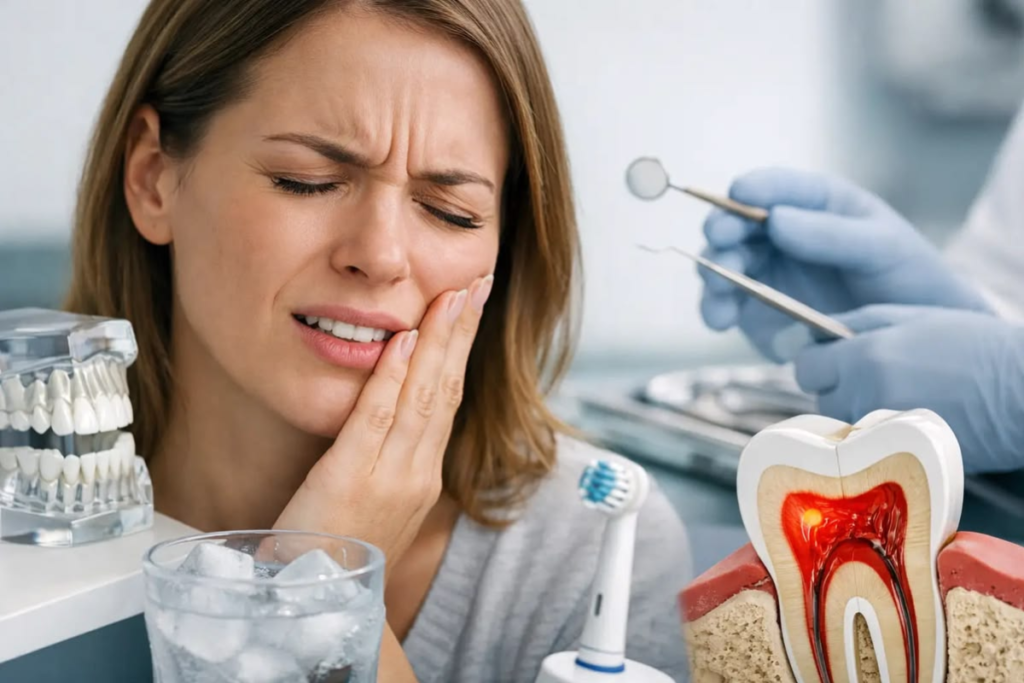
Tooth decay is damage to the tooth’s surface caused by acid. It begins as a small, chalky white spot on the enamel. If left alone, it becomes a hole, known as a cavity, that can reach deeper layers of the tooth.
Common signs include:
- Tooth sensitivity to sweet, hot, or cold foods
- Visible white, brown, or black spots
- Mild to sharp toothache
- Pain when biting down
Tooth Decay Treatment Options
The right tooth decay treatment depends on how far the damage has spread:
- Fluoride treatment: In the very earliest stage, professional fluoride can help rebuild weakened enamel and may reverse the damage.
- Fillings: When a cavity has formed, the dentist removes the decayed part and fills the space with composite resin, amalgam, or another material.
- Crowns: If a large portion of the tooth is damaged, a crown covers and protects what remains.
- Root canal therapy: When decay reaches the pulp (the nerve and blood vessels inside), the infected tissue is removed and the tooth is sealed. This saves the tooth and relieves pain.
- Extraction: If a tooth is too badly damaged to repair, it may need to be removed and later replaced with an implant or bridge.
Dental Cavity Treatment: What to Expect
If you are worried about dental cavity treatment, the process is simpler than most people imagine. Your dentist numbs the area, removes the decayed portion, cleans the space, and places the filling. Most fillings take under an hour, and you can usually eat normally once the numbness fades. The earlier you treat a cavity, the smaller and cheaper the repair, so don’t wait for pain to appear.
Gum Disease: The Silent Problem
Gum disease often develops with little or no pain, which is why many people don’t notice it. It starts with plaque along the gumline and progresses in stages.
- Gingivitis: The early stage, with red, swollen gums that bleed easily when you brush or floss. It is fully reversible.
- Periodontitis: The advanced stage, where infection spreads below the gumline, damaging the bone and tissue that hold teeth in place. Teeth can become loose and eventually fall out.
Warning signs include:
- Bleeding gums
- Persistent bad breath
- Gums pulling away from the teeth
- Loose teeth or a change in your bite
Gum Disease Treatment Options
Effective gum disease treatment depends on the stage:
- Professional cleaning: For gingivitis, a thorough scaling to remove plaque and tartar, combined with better home care, is often enough.
- Scaling and root planing: A deep cleaning below the gumline that smooths the root surfaces so gums can reattach.
- Antibiotics: Medicated gels, mouth rinses, or tablets may be used to control infection.
- Surgery: Advanced cases may need flap surgery or bone and tissue grafts to restore support for the teeth.
Gum disease has also been linked to conditions such as diabetes and heart disease, so treating it protects your overall health, not just your smile.
Tooth Sensitivity
If a sip of cold water makes you wince, you may have sensitive teeth. This happens when enamel wears down or gums recede, exposing the softer layer underneath. Causes include aggressive brushing, acidic foods, teeth grinding, and gum disease.
Treatment usually starts simply: desensitizing toothpaste, fluoride varnish, and a soft-bristled brush. If sensitivity continues, your dentist may recommend bonding, a filling, or a gum graft. Sudden or severe sensitivity in one tooth deserves a check-up, as it can signal a crack or cavity.
Bad Breath
Occasional bad breath is normal, but persistent bad breath (halitosis) usually points to a cause in the mouth, such as plaque, gum disease, cavities, or a coated tongue. Dry mouth, smoking, and certain foods can make it worse.
Brushing twice a day, cleaning your tongue, flossing, and staying hydrated help. If the problem persists despite good hygiene, see your dentist to rule out gum disease or other issues.
Cracked Teeth and Dental Abscess
A cracked tooth may cause pain when chewing or release of pressure, and it can let bacteria reach the inner tooth. Treatment ranges from bonding to a crown or root canal, depending on the crack.
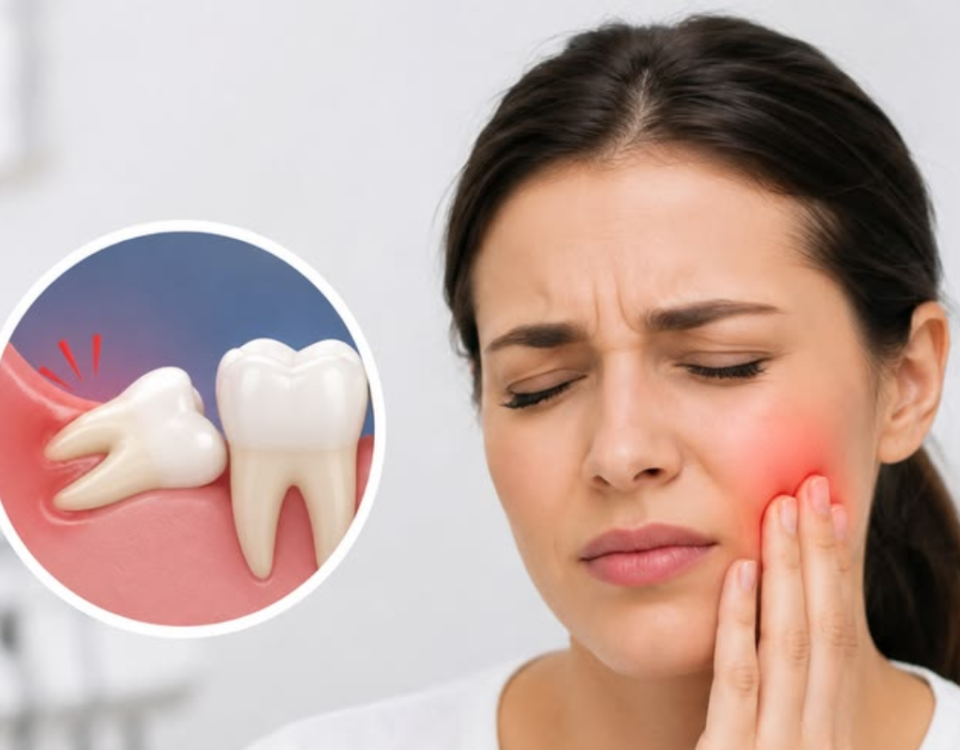
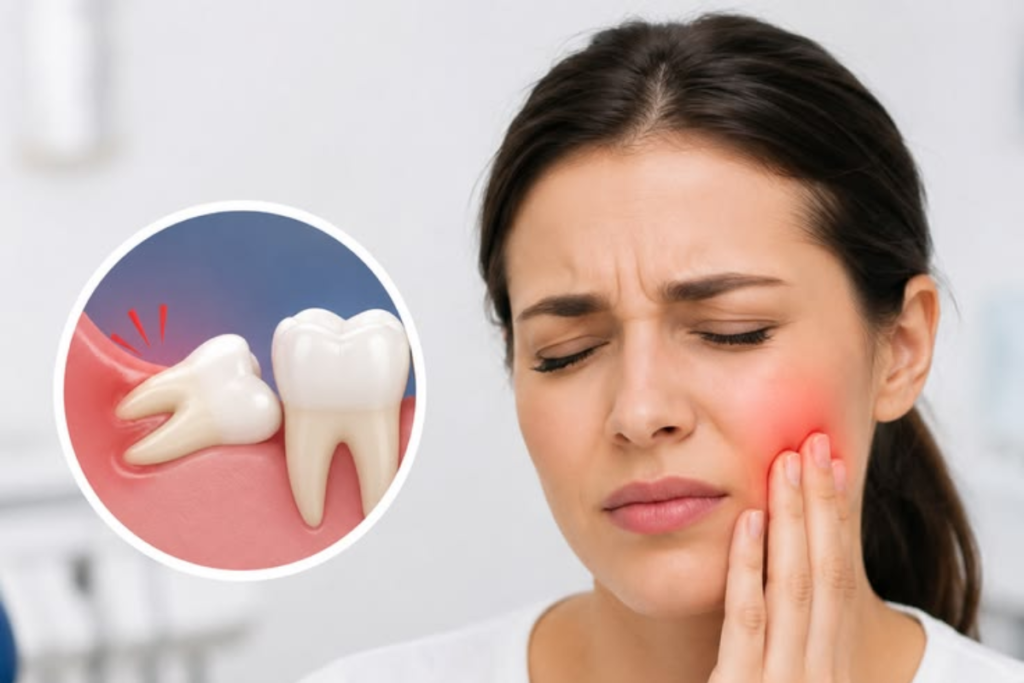
A dental abscess is a pocket of pus caused by bacterial infection. Signs include severe throbbing pain, facial swelling, fever, and a bad taste in the mouth. This is a dental emergency. Treatment may involve draining the abscess, a root canal, antibiotics, or extraction. Swelling that affects your breathing or swallowing needs urgent medical care.
How to Prevent Common Dental Problems
Prevention is the best treatment. Build these habits:
- Brush twice daily with fluoride toothpaste for two minutes.
- Floss once a day to clean between teeth, where brushes can’t reach.
- Limit sugary snacks and drinks, especially between meals.
- Drink water after eating to rinse away food and acids.
- Avoid tobacco, which greatly raises the risk of gum disease and oral cancer.
- Visit your dentist every six months for cleanings and early detection.
When Should You See a Dentist?
Don’t wait for your next routine visit if you notice:
- Toothache lasting more than a day or two
- Bleeding or swollen gums
- Loose teeth
- Facial swelling or fever
- Pain when chewing
- Sores that don’t heal within two weeks
Final Thoughts
Common dental problems like cavities, gum disease, sensitivity, and bad breath are very manageable when found early. Knowing the signs, following good daily habits, and seeing your dentist regularly are the keys to effective dental problems and treatment. If a dental concern requires further medical evaluation or a related surgical procedure, a General Surgery Hospital Sohna, Gurgaon may provide appropriate specialist care. Whether you need tooth decay treatment, a simple filling, or gum disease treatment, acting sooner means less pain, lower cost, and a healthier smile.