Best Foods for Healthy Teeth and Gums – A Complete Guide

How to Keep Your Gums Healthy Complete Guide
July 10, 2026
Why Regular Dental Checkups Are Essential
July 16, 2026
A bright smile and strong gums don’t come from brushing and flossing alone. What you eat plays a huge role in the health of your mouth. If you’re looking for the best foods for healthy teeth and gums, the good news is that many of them are already sitting in your kitchen. For personalized advice on maintaining excellent oral health and preventing dental problems, consulting a Top Dentist in Gurgaon can help you choose the right diet and dental care routine for your specific needs. This guide breaks down exactly which foods to eat, why they work, and how to build them into your daily diet for long-term oral health nutrition.
Your teeth and gums are living tissue, constantly exposed to bacteria, acid, and physical wear. The right nutrients can strengthen enamel, fight harmful bacteria, stimulate saliva production, and reduce inflammation in the gums. In this article, we’ll walk through the most effective teeth-friendly foods, explain the science behind them, and give you a practical eating plan you can start today.
Why Diet Matters for Oral Health
Before diving into specific foods, it helps to understand why nutrition affects your teeth and gums so directly. Your mouth is the entry point for everything you eat, which means it’s also the first line of defense against sugar, acid, and bacteria. A poor diet — high in sugar and processed carbohydrates — feeds harmful oral bacteria, leading to plaque buildup, cavities, and gum disease. On the other hand, a diet rich in vitamins, minerals, and fiber supports:
- Strong tooth enamel
- Healthy, non-bleeding gums
- Balanced saliva production (which naturally cleans your mouth)
- Reduced inflammation and bacterial growth
This is the foundation of any solid gum health diet — it’s not just about avoiding sugar, but actively feeding your mouth what it needs to repair and protect itself.
Teeth-Friendly Foods You Should Eat Daily
Let’s start with the everyday staples that should make up the bulk of your oral-health-focused diet. These teeth-friendly foods are easy to find, affordable, and simple to incorporate into any meal.
1. Leafy Greens
Spinach, kale, and other leafy greens are packed with vitamins and minerals while being low in calories and sugar. They’re high in calcium, which helps build tooth enamel, and folic acid, a B vitamin with numerous health benefits, including possibly treating gum disease in pregnant women.
2. Cheese
Cheese is one of the most effective teeth-friendly foods you can snack on. It raises the pH in your mouth, lowering the risk of tooth decay. Chewing also increases saliva production, which helps wash away bacteria. Cheese is also packed with calcium and protein, both of which strengthen tooth enamel.
3. Apples
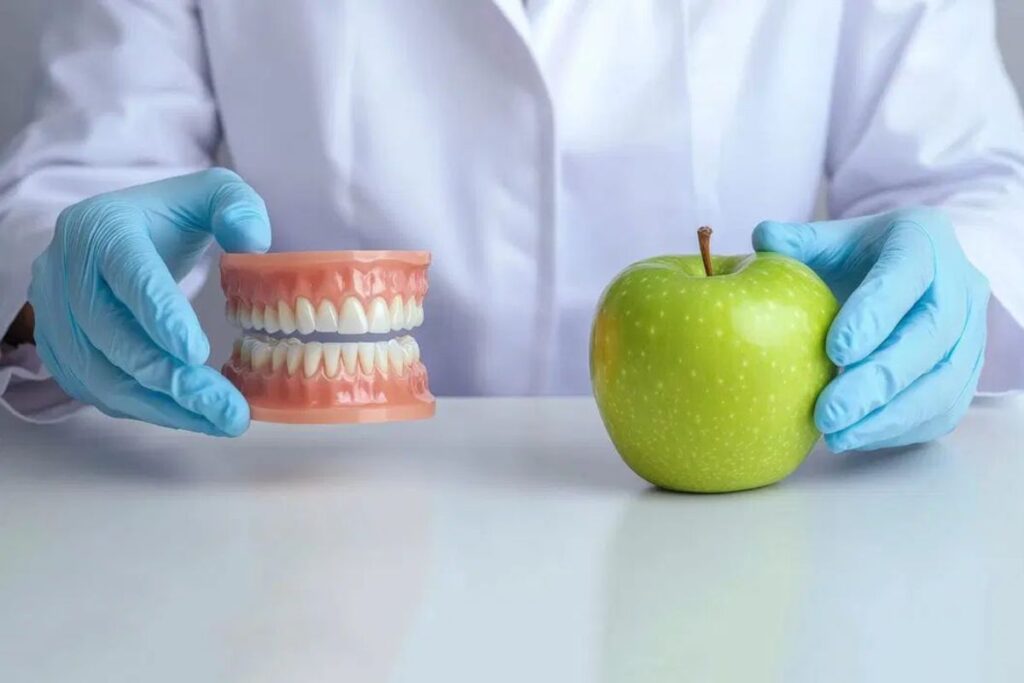
Apples are fibrous and crunchy, which stimulates the gums and increases saliva flow. While they aren’t a substitute for brushing, biting and chewing an apple helps scrub away surface debris and freshens breath. They’re often called “nature’s toothbrush” for this reason.
4. Carrots and Celery
Like apples, raw carrots and celery are crunchy, water-rich vegetables that require a lot of chewing. This action massages the gums and increases saliva production, which helps neutralize acids in the mouth and reduce the risk of decay.
5. Greek Yogurt
Yogurt is rich in calcium and protein, and it also contains probiotics — beneficial bacteria that can crowd out the harmful bacteria responsible for cavities and gum disease. Choose plain, unsweetened varieties to avoid feeding harmful bacteria with added sugar.
Eating a mix of these foods regularly supports both your enamel and your gum tissue, making them the backbone of good oral health nutrition.
Calcium-Rich Foods for Teeth and Strong Enamel
Calcium is one of the most important minerals for dental health, and getting enough of it is essential if you want to protect your enamel long-term. Calcium-rich foods for teeth help remineralize enamel that has been weakened by acid exposure, making your teeth more resistant to decay.
Some of the best sources include:
- Dairy products – milk, cheese, and yogurt are classic sources of calcium and also contain casein, a protein that helps stabilize and repair enamel.
- Almonds – a great dairy-free source of calcium, almonds also provide healthy fats and protein.
- Sardines and canned salmon (with bones) – these are excellent sources of both calcium and vitamin D, which helps your body absorb calcium more effectively.
- Fortified plant milks – soy, almond, and oat milk are often fortified with calcium and vitamin D, making them good alternatives for those who avoid dairy.
- Tofu – particularly varieties made with calcium sulfate, tofu is a versatile plant-based calcium source.
Pairing calcium-rich foods with vitamin D sources (like sunlight, eggs, or fortified foods) is key, since vitamin D helps your body actually absorb and use the calcium you consume. Without enough vitamin D, even a calcium-rich diet won’t fully support your foods that strengthen enamel naturally.
Best Gum Health Diet Tips
Enamel isn’t the only part of your mouth that needs attention — your gums need just as much care. A dedicated gum health diet focuses on reducing inflammation, fighting bacteria, and supporting the soft tissue that holds your teeth in place.
Here are some practical tips to build a gum-friendly eating pattern:
Eat Foods Rich in Vitamin C
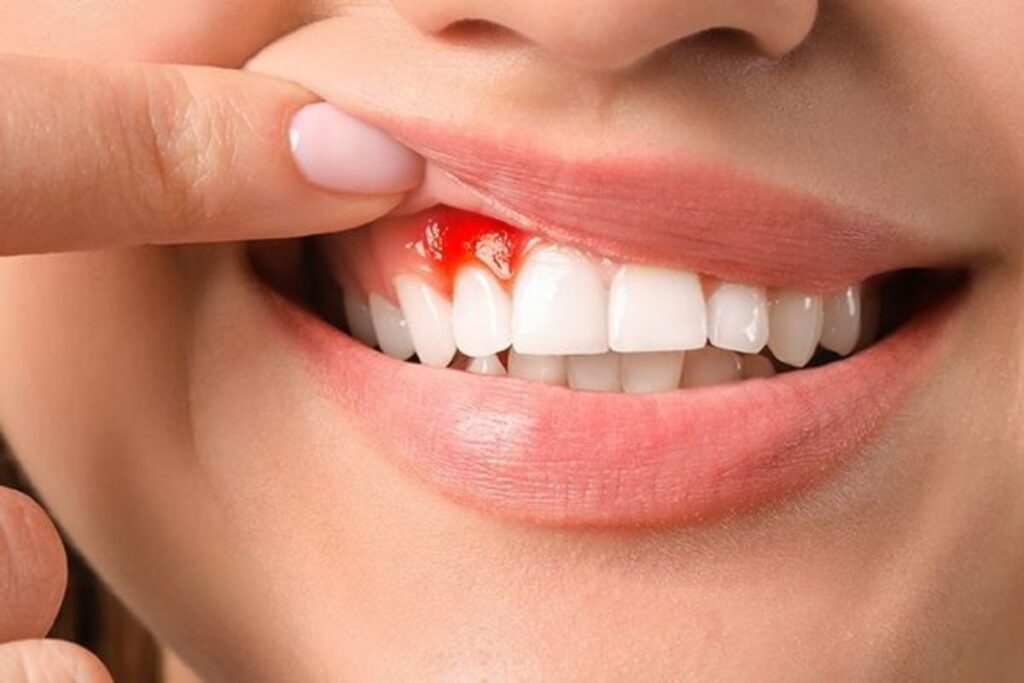
Vitamin C is essential for gum tissue repair and collagen production. A deficiency can lead to swollen, bleeding gums. Citrus fruits, bell peppers, strawberries, and kiwi are all excellent sources.
Add Omega-3 Fatty Acids
Omega-3s, found in fatty fish like salmon and mackerel, as well as walnuts and flaxseeds, have anti-inflammatory properties that may help reduce gum inflammation and lower the risk of periodontal disease.
Include Green and Black Tea
Both green and black tea contain polyphenols, compounds that can suppress harmful bacteria in the mouth and reduce the production of acid, which helps protect against gum disease and cavities.
Stay Hydrated
Water is essential for saliva production. Saliva naturally washes away food particles and neutralizes acids, so drinking plenty of water throughout the day supports both teeth and gums.
Limit Sugary and Acidic Foods
This is one of the most important parts of any gum health diet — not just what you add, but what you limit. Sugary snacks, sodas, and highly acidic foods (like citrus in excess or vinegar-based dressings) can erode enamel and feed bacteria that irritate the gums.
Foods That Strengthen Enamel Naturally
Enamel is the hardest substance in the human body, but it’s not indestructible. Once it wears away, it doesn’t grow back — which is why prevention through diet is so important. Here are some of the most effective foods that strengthen enamel:
- Cheese and dairy – as mentioned earlier, the calcium and casein in dairy help remineralize enamel.
- Nuts and seeds – almonds, sesame seeds, and cashews provide calcium and healthy fats without added sugar.
- Green and black tea – beyond fighting bacteria, tea contains fluoride, which supports enamel strength.
- Crunchy fruits and vegetables – apples, pears, carrots, and celery stimulate saliva flow, which helps remineralize enamel naturally.
- Eggs – a good source of both protein and vitamin D, supporting enamel strength indirectly through better calcium absorption.
Combining these foods with good oral hygiene habits — brushing twice a day, flossing, and regular dental checkups — creates a powerful defense system for your teeth.
Foods to Limit or Avoid
Just as important as knowing what to eat is knowing what to cut back on. These foods work against your oral health nutrition goals:
- Sugary snacks and candy – sugar feeds the bacteria that cause cavities and gum disease.
- Soda and sports drinks – these are often both sugary and acidic, a double threat to enamel.
- Sticky, starchy snacks – foods like chips and crackers can get trapped between teeth and slowly convert to sugar.
- Excessive citrus or vinegar – while healthy in moderation, too much acidic food can erode enamel over time.
- Alcohol – it can dry out the mouth, reducing saliva production and increasing bacterial growth.
You don’t need to eliminate these completely, but being mindful of portion size and frequency makes a real difference.
Sample Daily Eating Plan for Healthy Teeth and Gums
To put this all together, here’s a simple one-day example that incorporates teeth-friendly foods, calcium-rich foods for teeth, and gum-supportive nutrients:
- Breakfast: Greek yogurt with sliced almonds and a few strawberries
- Snack: An apple with a slice of cheese
- Lunch: Spinach salad with grilled salmon, bell peppers, and a light vinaigrette
- Snack: Carrot and celery sticks with hummus
- Dinner: Baked tofu or chicken with steamed broccoli and a side of quinoa
- Drink throughout the day: Water and unsweetened green tea
This kind of balanced plan naturally covers most of the nutrients your teeth and gums need, without requiring any special supplements or complicated meal prep.
Final Thoughts
Building a diet around the best foods for healthy teeth and gums doesn’t require drastic changes — just consistent, mindful choices. Prioritizing teeth-friendly foods, calcium-rich foods for teeth, and a solid gum health diet will go a long way in preventing cavities, gum disease, and enamel erosion. If oral health problems progress to conditions that require specialized medical or surgical care, seeking timely treatment at a General Surgery Hospital Sohna Gurgaon can help ensure comprehensive evaluation and appropriate management. Combine these dietary habits with good brushing, flossing, and regular dental visits, and you’ll be giving your smile the best possible chance at lasting health.
Small, everyday choices — a handful of almonds instead of chips, water instead of soda, or a piece of cheese instead of candy — add up over time. Start incorporating these foods that strengthen enamel into your routine today, and your teeth and gums will thank you for years to come.