How to Keep Your Gums Healthy Complete Guide

Breastfeeding Tips Every New Mother Should Know
July 4, 2026
Best Foods for Healthy Teeth and Gums – A Complete Guide
July 11, 2026
Your smile depends on more than just white teeth — it depends on strong, healthy gums. Many people focus entirely on their teeth while ignoring the soft tissue that holds everything in place. But neglecting gum health can lead to pain, bad breath, tooth loss, and even problems that affect your overall health. If you notice persistent gum bleeding, swelling, or sensitivity, seeking care from the Best Dental Hospital in Sohna Gurgaon can help with early diagnosis and effective treatment to protect your oral health. In this guide, we’ll walk through everything you need to know about maintaining healthy gums, recognizing warning signs early, and building habits that protect your smile for life.
Why Oral Hygiene Matters for Gum Health
Good oral hygiene is the foundation of healthy gums. Every day, a sticky film of bacteria called plaque forms on your teeth and along your gumline. If this plaque isn’t removed regularly, it hardens into tartar, which irritates the gums and creates the perfect environment for infection.
When oral hygiene habits slip — even for a few days — bacteria multiply quickly. This is why dentists emphasize consistency over intensity. Brushing hard once a week does far less good than gentle, thorough cleaning twice a day.
Here’s what solid oral hygiene looks like in practice:
- Brushing at least twice daily with fluoride toothpaste
- Flossing once a day to remove debris between teeth
- Using an antimicrobial or fluoride mouthwash
- Replacing your toothbrush every 3 months
- Scheduling regular dental cleanings
Maintaining strong oral hygiene isn’t just about fresh breath — it’s a direct investment in the long-term health of your gums and teeth. People who skip these basics are far more likely to develop inflammation, sensitivity, and eventually more serious gum disease.
Common Signs of Gingivitis to Watch For
Gingivitis is the earliest stage of gum disease, and the good news is that it’s completely reversible if caught early. Unfortunately, many people ignore the warning signs because they seem minor at first.
Watch for these common symptoms:
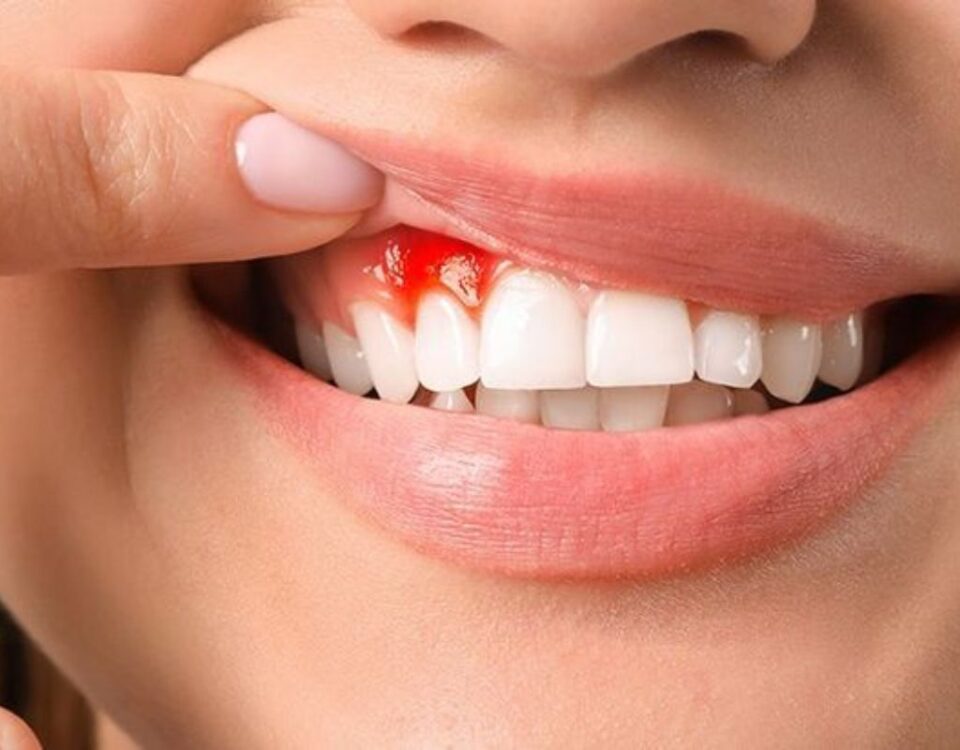
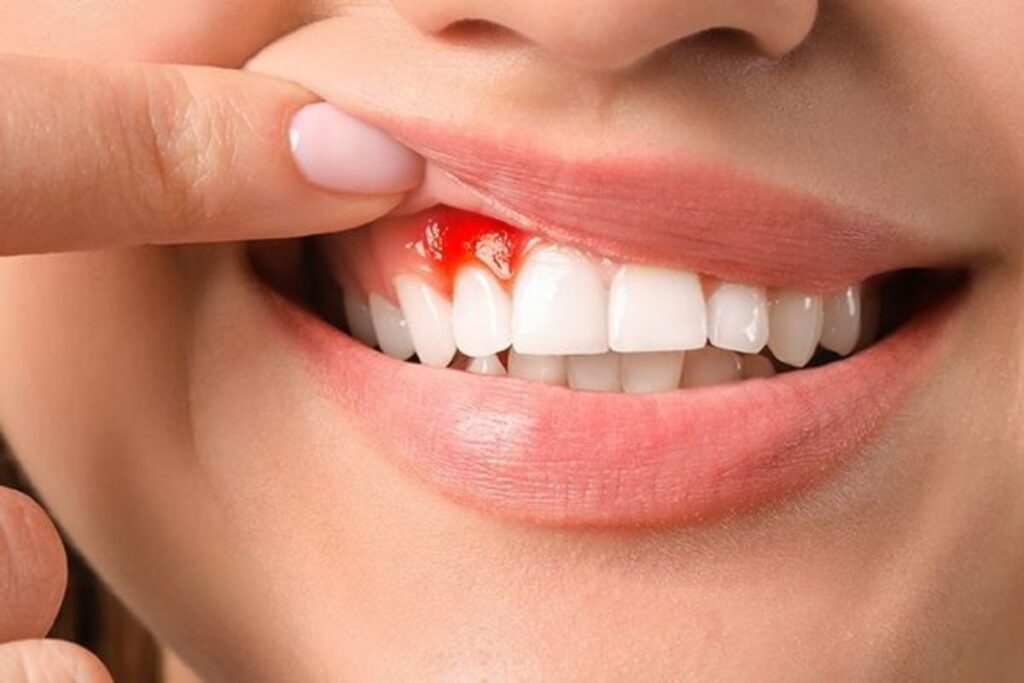
- Red or swollen gums – Healthy gums should be pale pink and firm, not puffy or discolored.
- Bleeding while brushing or flossing – Occasional light bleeding might seem harmless, but it’s often the first sign of inflammation.
- Persistent bad breath – Bacteria buildup along the gumline produces odor that regular mouthwash won’t fully mask.
- Tenderness or sensitivity – Gums that hurt when touched or during eating may be inflamed.
- Slight gum recession – Teeth that appear slightly longer than before can indicate the gums are pulling away.
If gingivitis isn’t addressed, it can progress into periodontitis — a more advanced and destructive form of gum disease that damages the bone supporting your teeth. The moment you notice bleeding gums, it’s a signal to strengthen your care routine, not to brush harder or ignore it.
The encouraging part is that gingivitis usually responds quickly to improved habits. Within one to two weeks of consistent brushing, flossing, and possibly a dental cleaning, inflammation often subsides and bleeding stops.

Proper Flossing and Brushing Technique
Even people who brush and floss daily can still develop gum problems if their flossing and brushing technique is incorrect. Technique matters just as much as frequency.
Brushing the Right Way
- Hold your toothbrush at a 45-degree angle to your gumline.
- Use short, gentle strokes — never aggressive scrubbing.
- Brush for a full two minutes, covering all surfaces of every tooth.
- Don’t forget your tongue, where bacteria also accumulate.
- Choose a soft-bristled brush; hard bristles can wear down gum tissue over time.
Flossing the Right Way
- Use about 18 inches of floss, wrapping most around your middle fingers.
- Gently slide the floss between teeth using a back-and-forth motion — never snap it into the gums.
- Curve the floss into a “C” shape around each tooth to clean beneath the gumline.
- Use a fresh section of floss for each tooth to avoid spreading bacteria.
- If traditional floss is difficult, try floss picks or a water flosser as an alternative.
Many people underestimate how much of plaque buildup happens between teeth, which a toothbrush alone can’t reach. This is why proper flossing and brushing technique — done together, daily — is one of the single most effective ways to prevent gum disease.
When to See a Dentist for Periodontal Care
Even with excellent home care, professional support is essential. Periodontal care refers to the specialized treatment and monitoring of your gums, and it plays a critical role in catching problems before they become severe.
You should schedule a dental visit if you notice:
- Gums that bleed regularly, not just occasionally
- Persistent bad breath despite good hygiene
- Loose or shifting teeth
- Gum recession that seems to be getting worse
- Pus or visible signs of infection near the gumline
- Pain while chewing
During a periodontal care visit, your dentist or hygienist will typically:
- Measure the depth of the pockets around your teeth to check for gum detachment
- Perform a professional cleaning (scaling) to remove tartar buildup
- Take X-rays if bone loss is suspected
- Recommend deep cleaning (root planing) for more advanced cases
- Suggest a personalized home-care routine based on your specific risk factors
Routine checkups every six months are the standard recommendation, but if you have a history of gum disease, diabetes, or smoking, more frequent periodontal care visits may be necessary. Catching problems early is far less costly — both financially and physically — than treating advanced gum disease later.
Additional Habits That Support Healthy Gums
Beyond brushing, flossing, and dental visits, a few lifestyle factors play a bigger role in gum health than most people realize:
- Diet: A diet high in sugar feeds the bacteria that cause plaque. Eating more vegetables, dairy, and vitamin C-rich foods supports gum tissue repair.
- Hydration: Saliva naturally washes away food particles and bacteria. Staying hydrated helps maintain this natural defense.
- Avoiding tobacco: Smoking is one of the leading risk factors for gum disease, significantly reducing blood flow to the gums and slowing healing.
- Managing stress: Chronic stress has been linked to weakened immune response, making gums more susceptible to infection.
- Monitoring health conditions: Diabetes and certain medications can increase gum disease risk, so those with these conditions should pay extra attention to oral hygiene.
Conclusion
Maintaining gum health doesn’t require anything complicated — just consistency, the right technique, and regular professional care. By practicing solid oral hygiene, watching for early signs of gingivitis, using proper flossing and brushing technique, and scheduling routine periodontal care, you can protect your gums for a lifetime of healthy smiles.
Small daily habits make the biggest difference. Start today, and your gums — and your future self — will thank you.