Which Babies Need NICU Care? A Complete Guide for Parents

Best Treatment Options for Missing Teeth: A Complete Guide to Restoring Your Smile
June 25, 2026
Breastfeeding Tips Every New Mother Should Know
July 4, 2026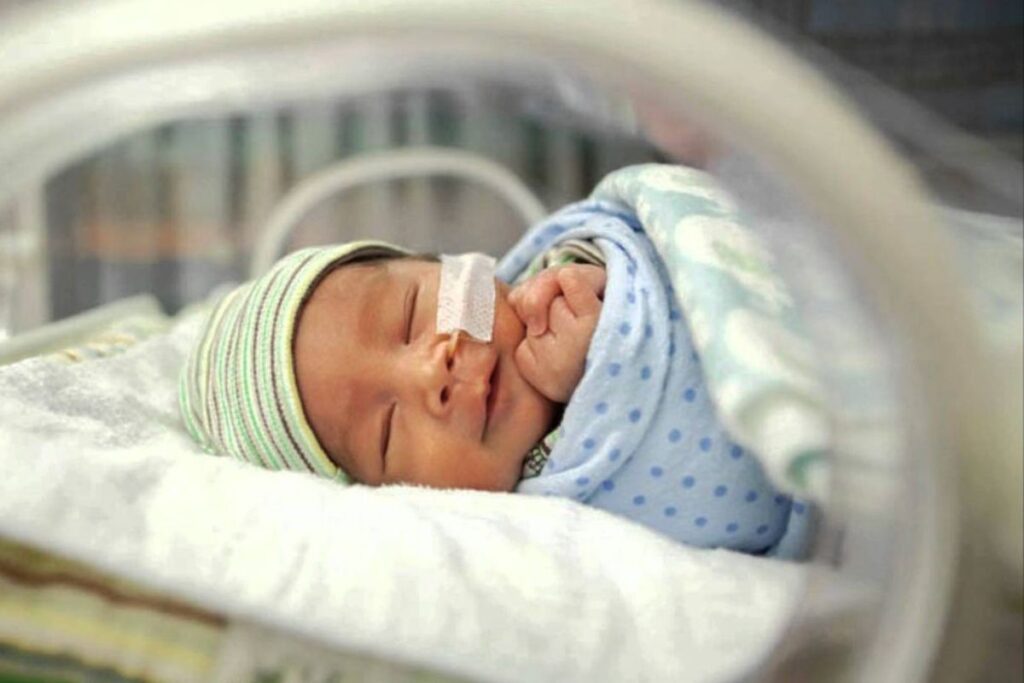
Bringing a new baby into the world is one of life’s most exciting moments — but for some families, that joy is mixed with worry when a doctor mentions NICU care. If you’ve heard this term and wondered what it means, you’re not alone. Understanding which babies need NICU care, and why, can help ease anxiety and prepare you for what lies ahead. If your newborn requires specialized medical attention, choosing the Best Pediatrics Hospital in Sohna, Gurgaon can make a significant difference, as experienced pediatricians and advanced NICU facilities provide the expert care needed during those critical first days of life. In this guide, we’ll break down the most common reasons newborns are admitted to the Neonatal Intensive Care Unit, including prematurity, low birth weight, respiratory distress, infection, and congenital abnormalities.
What Is NICU Care?
NICU care stands for Neonatal Intensive Care Unit care — a specialized hospital unit designed to treat newborns who need extra medical attention beyond what a standard nursery can provide. Babies admitted for NICU care are monitored around the clock by neonatologists, specialized nurses, and respiratory therapists using advanced equipment like incubators, ventilators, and feeding tubes.
Not every baby who needs NICU care is critically ill. Some simply need a few days of monitoring, while others require weeks or even months of intensive treatment. The key factors that determine whether a newborn needs NICU care include gestational age at birth, birth weight, breathing ability, presence of infection, and any structural or genetic conditions present at birth.
Let’s explore each of these factors in detail.
Prematurity and NICU Admission
Prematurity is by far the most common reason babies require NICU care. A baby is considered premature if born before 37 weeks of gestation, and the earlier the birth, the higher the likelihood of complications.
Categories of Prematurity
- Late preterm: 34–36 weeks
- Moderately preterm: 32–34 weeks
- Very preterm: 28–32 weeks
- Extremely preterm: Before 28 weeks
Babies affected by prematurity often have underdeveloped organs, particularly the lungs, brain, and digestive system. Because these systems haven’t had enough time to mature in the womb, infants born due to prematurity frequently struggle with basic functions like breathing, feeding, and regulating body temperature.
Extremely preterm babies — those affected by severe prematurity — may spend several months in the NICU as their organs continue to develop outside the womb. Doctors closely monitor these infants for common complications associated with prematurity, including intraventricular hemorrhage (bleeding in the brain), necrotizing enterocolitis (a serious intestinal condition), and retinopathy of prematurity (an eye disorder).
The good news is that survival rates for babies born due to prematurity have improved dramatically over the past few decades, thanks to advances in neonatal medicine, better ventilator technology, and specialized nutritional support in NICU settings.
Low Birth Weight Babies
Closely linked to prematurity, low birth weight is another major reason infants are admitted for intensive care. A baby is classified as having low birth weight if they weigh less than 2,500 grams (about 5.5 pounds) at birth. Some infants with low birth weight are born full-term but simply small for their gestational age, while others are both premature and underweight.
Categories of Low Birth Weight
- Low birth weight (LBW): Under 2,500 grams
- Very low birth weight (VLBW): Under 1,500 grams
- Extremely low birth weight (ELBW): Under 1,000 grams
Babies with low birth weight face unique challenges. Their small body size means less fat reserve to maintain body temperature, weaker immune function, and often difficulty coordinating sucking and swallowing for feeding. As a result, many infants with low birth weight require temperature-controlled incubators and specialized feeding support, such as nasogastric tubes, until they gain enough strength and weight to feed independently.
Doctors also monitor babies with low birth weight for blood sugar instability, since smaller infants often have limited glucose reserves at birth. Left untreated, this can lead to hypoglycemia, which is another common trigger for NICU admission.
Respiratory Distress in Newborns
Breathing problems are among the most urgent reasons babies are rushed into intensive care. Respiratory distress occurs when a newborn struggles to breathe properly, often due to underdeveloped lungs or fluid remaining in the lungs after birth.
Common Causes of Respiratory Distress
- Respiratory Distress Syndrome (RDS) — most common in premature babies who lack sufficient surfactant, a substance that keeps air sacs in the lungs open
- Transient Tachypnea of the Newborn (TTN) — temporary rapid breathing caused by retained fluid in the lungs
- Meconium Aspiration Syndrome — occurs when a baby inhales meconium (early stool) during delivery
- Pneumonia — infection-related breathing complications
Signs of respiratory distress include grunting sounds while breathing, flaring nostrils, rapid breathing, bluish skin tone, and visible chest retractions. When these symptoms appear, babies are immediately moved to the NICU, where they may receive supplemental oxygen, continuous positive airway pressure (CPAP), or, in severe cases, mechanical ventilation.
Respiratory distress is especially common among babies affected by prematurity, since lung development is one of the last processes to complete before full-term birth. Fortunately, most cases of respiratory distress improve significantly within days to weeks with proper NICU support, and long-term outcomes are generally positive.
Infection and Sepsis Risks in Newborns
Newborns have immature immune systems, making them highly vulnerable to infection. When bacteria, viruses, or fungi enter a baby’s bloodstream, it can quickly escalate into neonatal sepsis — a life-threatening condition requiring immediate NICU care.
Types of Newborn Infection
- Early-onset sepsis: Occurs within the first 72 hours of life, often transmitted from mother to baby during pregnancy or delivery
- Late-onset sepsis: Develops after 72 hours, often linked to hospital-acquired infection or environmental exposure
Signs of infection in newborns can be subtle and easy to miss, including lethargy, poor feeding, temperature instability, rapid heart rate, and irritability. Because infection can progress rapidly in fragile newborns, doctors often begin antibiotic treatment in the NICU even before test results confirm a diagnosis — a precaution that has saved countless lives.
Babies born to mothers with certain infections during pregnancy, premature rupture of membranes, or prolonged labor are at higher risk of developing infection after birth. Continuous monitoring in the NICU allows medical teams to catch and treat infection early, dramatically improving outcomes.
Congenital Abnormalities Requiring NICU Care
Some babies need intensive care not because of prematurity or infection, but due to congenital abnormalities — structural or genetic conditions present at birth. These can range from mild issues requiring observation to complex conditions needing immediate surgical intervention.
Common Congenital Abnormalities Requiring NICU Support
- Congenital heart defects — structural problems with the heart present from birth
- Diaphragmatic hernia — a hole in the diaphragm allowing abdominal organs to enter the chest cavity
- Neural tube defects — such as spina bifida, affecting the brain and spinal cord
- Gastrointestinal abnormalities — such as intestinal blockages or malformations
- Chromosomal conditions — such as Down syndrome, which may come with additional medical needs
Babies with congenital abnormalities often require a multidisciplinary care team, including pediatric surgeons, cardiologists, and geneticists, working alongside NICU staff. Depending on the severity, these infants may need surgery within days of birth or ongoing monitoring throughout their NICU stay.
Advances in prenatal imaging now allow many congenital abnormalities to be diagnosed before birth, giving medical teams time to prepare a specialized delivery and NICU care plan in advance — improving outcomes significantly for affected babies.
Other Reasons Babies May Need NICU Care
While prematurity, low birth weight, respiratory distress, infection, and congenital abnormalities are the leading causes, other situations can also result in NICU admission:
- Birth complications, such as fetal distress during labor or oxygen deprivation
- Severe jaundice requiring intensive phototherapy
- Hypoglycemia (low blood sugar) affecting brain development if untreated
- Multiple births (twins or triplets), who are more likely to be born early or small
- Maternal health conditions, such as diabetes or preeclampsia, which can affect the baby’s health at birth
How Long Do Babies Typically Stay in the NICU?
The length of a NICU stay depends heavily on the underlying reason for admission. Babies with mild respiratory distress may only need a few days of support, while extremely preterm infants affected by severe prematurity or serious congenital abnormalities may remain in intensive care for several weeks or months.
Parents should know that NICU teams closely track developmental milestones and gradually reduce support as the baby’s condition improves — whether that means weaning off oxygen, transitioning from tube feeding to bottle feeding, or achieving stable weight gain in cases of low birth weight.
Levels of NICU Care Explained
Not all NICUs offer the same level of support. Hospitals typically classify their neonatal units into four levels, and understanding these can help parents know what to expect if their baby needs NICU care.
- Level I (Well Newborn Nursery): Basic care for healthy, full-term babies with no major complications.
- Level II (Special Care Nursery): For babies who are moderately preterm or need short-term support, such as help with feeding or mild respiratory distress.
- Level III (NICU): For babies with serious complications, including significant prematurity, severe low birth weight, or major congenital abnormalities requiring surgery.
- Level IV (Regional NICU): The highest level of care, offering advanced surgical capabilities and specialists for the most complex cases, including critical infection, severe respiratory distress, and rare congenital abnormalities.
If your local hospital doesn’t have the appropriate level of NICU care for your baby’s needs, doctors may recommend transferring your newborn to a regional facility better equipped to handle conditions like extreme prematurity or complex congenital abnormalities.
What Parents Can Expect During a NICU Stay
Watching your baby receive NICU care can be emotionally difficult, especially in the first few days. Here’s what most parents can expect:
- Monitoring equipment – Wires and sensors track heart rate, oxygen levels, and breathing, which can look intimidating but are simply precautionary tools used throughout NICU care.
- Incubators or warmers – Especially important for babies with low birth weight or prematurity, since these infants often can’t regulate their own body temperature yet.
- Feeding support – Many babies receiving NICU care, particularly those affected by prematurity or respiratory distress, need tube feeding until they can safely nurse or bottle-feed.
- Kangaroo care – Skin-to-skin contact between parent and baby is encouraged whenever possible, as it has been shown to improve outcomes for infants affected by low birth weight and prematurity.
- Regular updates from the care team – Neonatologists and nurses will explain your baby’s progress, any changes in treatment, and expected timelines for reducing support.
Parents are almost always encouraged to be present and involved during NICU care, even when their baby needs intensive support. Skin-to-skin contact, talking softly to your baby, and participating in daily care routines like diaper changes can make a meaningful difference — both for your baby’s development and your own emotional wellbeing.
Frequently Asked Questions About NICU Care
Does every premature baby need NICU care? Not necessarily. Late preterm babies (34–36 weeks) with no other complications may only need brief monitoring, while those affected by more severe prematurity typically require extended NICU care.
Can babies with low birth weight go home right away? Some can, if they’re feeding well and gaining weight steadily. Others with more significant low birth weight may need days or weeks of NICU care before discharge is considered safe.
Is respiratory distress always serious? Not always. Many babies with mild respiratory distress recover fully within days. However, severe cases — especially in infants affected by prematurity — may require longer stays in the NICU.
How is infection treated in the NICU? Suspected infection is typically treated with antibiotics right away, even before lab results confirm the diagnosis, since early treatment significantly improves outcomes for newborns at risk of sepsis.
Will my baby need surgery for a congenital abnormality? It depends on the specific condition. Some congenital abnormalities require immediate surgical correction, while others can be monitored and treated with medication or later intervention.
Final Thoughts
Learning that your baby needs NICU care can feel overwhelming, but understanding the reasons behind it — whether prematurity, low birth weight, respiratory distress, infection, or congenital abnormalities — can help you feel more informed and prepared. Modern NICU care has advanced tremendously, offering fragile newborns the best possible chance at a healthy start to life.
If your baby has been admitted to the NICU, remember that the medical team is there to support both your child and your family every step of the way. Don’t hesitate to ask questions, stay involved in care decisions, and lean on hospital resources such as social workers, lactation consultants, and parent support groups designed specifically for NICU families.
With the right medical support, most babies who require NICU care go on to thrive — proving that even the smallest patients can make remarkable recoveries.