Diabetes and Pregnancy: A Complete Clinical and Lifestyle Management Guide

How Radiologists Help Doctors Diagnose Complex Conditions
March 10, 2026
Nutrition and Growth in Children: What Every Parent Should Know
March 23, 2026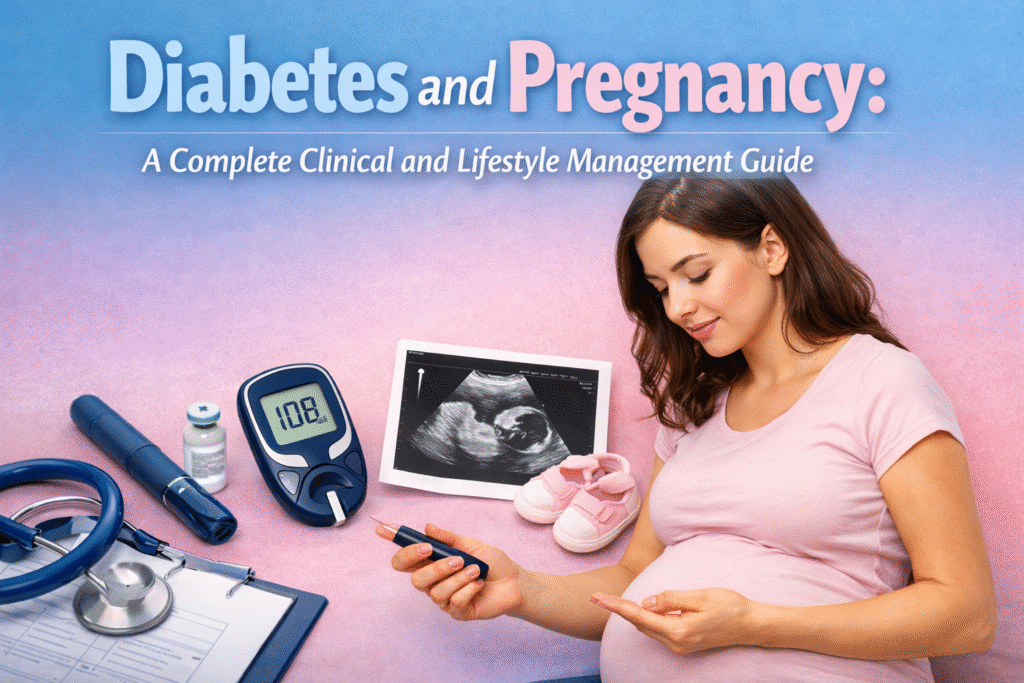
Managing diabetes and pregnancy can feel like balancing on a tightrope, but with the right information and a proactive medical team, it is entirely possible to have a safe, healthy delivery. Whether you were living with Type 1 or Type 2 diabetes before conceiving, or you’ve recently been diagnosed with gestational diabetes, understanding how to navigate this journey is key to your peace of mind. Many women find that partnering with the best gynecologist in Gurgaon provides the specialized expertise and monitoring necessary to manage fluctuating glucose levels effectively. In this guide, we will break down everything from blood sugar targets to dietary essentials, ensuring you have a roadmap for the months ahead.
Understanding Gestational Diabetes and Pre-existing Conditions
When discussing diabetes and pregnancy, we generally look at two scenarios: pre-gestational diabetes (Type 1 or Type 2) and gestational diabetes.
Gestational diabetes is a type of diabetes that develops specifically during pregnancy, usually in the second or third trimester. It occurs because the placenta produces hormones that cause glucose to build up in your blood. If your pancreas can’t produce enough insulin to handle it, your blood sugar levels rise.
Because high blood sugar can affect both the mother and the developing baby, this is often categorized as a high-risk pregnancy diabetes scenario. While the term “high-risk” can sound intimidating, it simply means you will receive extra monitoring and care to ensure the best possible outcome.
The Importance of Blood sugar control in pregnancy
The primary goal of managing diabetes and pregnancy is maintaining stable glucose levels. High blood sugar (hyperglycemia) can lead to complications such as macrosomia (a very large baby), which may complicate delivery, or neonatal hypoglycemia (low blood sugar in the baby after birth).
Target Numbers While your doctor will provide personalized targets, the general goals for blood sugar control in pregnancy are often stricter than for non-pregnant individuals:
- Fasting: Below 95 mg/dL
- One hour after a meal: Below 140 mg/dL
- Two hours after a meal: Below 120 mg/dL
Consistent monitoring is your best tool. By checking your levels multiple times a day, you can see how different foods and activities affect your body in real-time.
Insulin Management During Pregnancy
For many women, lifestyle changes alone are enough to manage gestational diabetes. However, for others—and for almost all women with Type 1 diabetes—medication is a necessity.
Insulin management during pregnancy is considered the gold standard for treatment because insulin does not cross the placenta, making it safe for the baby. As your pregnancy progresses, your body’s resistance to insulin naturally increases. This means:
- Your dosage will likely change frequently.
- Close coordination with an endocrinologist is vital.
- Technological aids, like Continuous Glucose Monitors (CGMs) or insulin pumps, can be incredibly helpful for precise insulin management during pregnancy.
Don’t view the need for insulin as a failure of your diet or willpower; it is simply a biological response to pregnancy hormones.
Crafting a Pregnancy Diet for Diabetes
Nutrition is the cornerstone of managing diabetes and pregnancy. You aren’t just eating for two; you are eating to keep your metabolic environment stable. A well-designed pregnancy diet for diabetes focuses on complex carbohydrates, lean proteins, and healthy fats.
Key Dietary Strategies:
- Focus on Fiber: Replace white bread and sugary cereals with oats, quinoa, and brown rice. Fiber slows glucose absorption.
- Protein Pairing: Never eat a carb “naked.” Always pair fruit or crackers with a protein source like Greek yogurt, nuts, or cheese to prevent sugar spikes.
- Small, Frequent Meals: Instead of three large meals, aim for three moderate meals and 2–3 snacks. This prevents the “peaks and valleys” in your blood sugar.
- Watch the “Hidden” Sugars: Be cautious with fruit juices and processed snacks, which can cause a rapid rise in levels.
Following a specific pregnancy diet for diabetes doesn’t mean you can’t enjoy food; it’s about finding the right balance to keep you and your baby energized.
Managing a High-Risk Pregnancy: What to Expect
If you are navigating high-risk pregnancy diabetes, your prenatal calendar will likely be a bit more crowded than average. This extra care is designed to catch any potential issues early.
- Growth Scans: You will likely have more frequent ultrasounds to monitor the baby’s size and amniotic fluid levels.
- Non-Stress Tests (NSTs): In the third trimester, your doctor may perform NSTs to check the baby’s heart rate and movements.
- Specialist Consultations: You may work with a Maternal-Fetal Medicine (MFM) specialist in addition to your OB-GYN.
The label of high-risk pregnancy diabetes ensures that you have a “safety net” of experts watching over your journey, significantly reducing the chance of complications.
Lifestyle and Physical Activity
Beyond food and medicine, movement plays a massive role in blood sugar control in pregnancy. Physical activity helps your muscles use glucose without needing extra insulin. If you are seeking professional guidance or specialized prenatal care, consulting experts at the best multispecialty hospital in Sohna can help you tailor a fitness plan that is safe for both you and your baby.
A 10-to-15-minute walk after meals can significantly lower post-meal sugar spikes. Always consult your doctor before starting a new exercise routine, but activities like prenatal yoga, swimming, and brisk walking are generally encouraged for those managing diabetes and pregnancy.
Conclusion
Managing diabetes and pregnancy requires diligence, but the reward is a healthy start for your little one. By focusing on consistent blood sugar control in pregnancy, adhering to a tailored pregnancy diet for diabetes, and staying on top of insulin management during pregnancy when necessary, you are taking the most important steps possible.
Remember, you don’t have to do this alone. Lean on your medical team, seek support from fellow “sugar mommas,” and be kind to yourself. You are doing the hard work of two people, and every healthy choice you make is an investment in your baby’s future.