Diet After Gallbladder Removal: What to Eat, What to Avoid, and How to Recover Smoothly

10 Important Roles of ECG in Diagnosing Heart Conditions
January 30, 2026
Bone & Joint Health: Tips to Stay Pain-Free and Active
February 24, 2026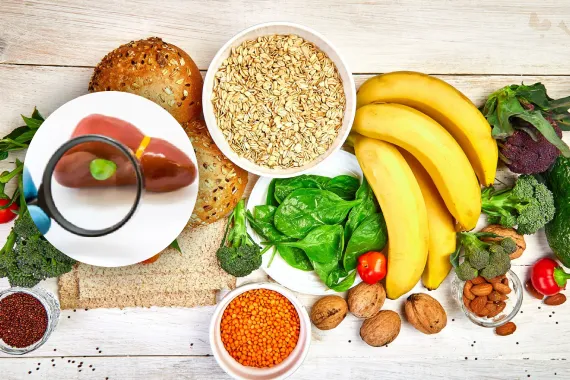
Gallbladder removal surgery, also known as cholecystectomy, is a common procedure performed to relieve pain and complications caused by gallstones or gallbladder disease. While the surgery solves the underlying problem, recovery largely depends on following the right diet after gallbladder removal. At a trusted General Surgery Hospital Sohana, Gurgaon, patients are often advised that since the gallbladder plays an important role in fat digestion, the body needs time to adapt after surgery. Choosing the right foods can reduce digestive discomfort, promote healing, and help you return to normal life faster.
This blog explains a complete post gallbladder surgery diet plan, including foods to eat, foods to avoid, and long-term dietary tips to support recovery.
Understanding the Need for a Special Diet After Gallbladder Removal
The gallbladder stores bile, which helps digest fats. After surgery, bile flows directly from the liver into the intestine. This continuous bile flow can make it difficult to digest fatty foods, especially during the early recovery phase. Therefore, a carefully planned diet after gallbladder removal becomes essential to prevent bloating, diarrhea, nausea, and abdominal discomfort.
A gradual transition to normal eating habits, along with a low-fat diet after gallbladder surgery, helps the digestive system adjust smoothly.
Gallbladder Removal Recovery Diet: What to Expect
In the initial weeks following surgery, your body is still healing internally. The gallbladder removal recovery diet focuses on easy-to-digest, light, and nutritious foods that do not strain the digestive system. Eating small, frequent meals instead of large portions helps regulate digestion and prevents bile overload in the intestines.
Hydration, fiber balance, and reduced fat intake are key pillars of recovery during this phase.
Foods to Eat After Gallbladder Surgery
Choosing the right foods plays a major role in preventing digestive issues. The following foods to eat after gallbladder surgery are gentle on the stomach and promote faster recovery:
1. Low-Fat and Lean Proteins
- Skinless chicken or turkey
- Fish (steamed or grilled)
- Egg whites
- Tofu and legumes
These proteins are easy to digest and provide essential nutrients without overwhelming the digestive system.
2. Whole Grains
- Oats
- Brown rice
- Whole wheat bread
- Quinoa
Whole grains provide fiber, which helps regulate bowel movements during recovery.
3. Fruits and Vegetables
- Bananas
- Apples (without skin initially)
- Papaya
- Carrots
- Pumpkin
- Spinach
Cooked vegetables are especially recommended in the early days, as they are easier to digest.
4. Low-Fat Dairy Products
- Skimmed milk
- Low-fat yogurt
- Cottage cheese
These options provide calcium and protein while aligning with a low-fat diet after gallbladder surgery.
Foods to Avoid After Gallbladder Removal
Equally important as knowing what to eat is understanding what to avoid. Certain foods can trigger digestive discomfort and delay recovery. The following foods to avoid after gallbladder removal should be limited or eliminated, especially in the early weeks:
1. High-Fat Foods
- Fried foods
- Fast food
- Butter and ghee
- Cream-based dishes
Fatty foods are harder to digest without a gallbladder and can cause diarrhea or bloating.
2. Spicy and Oily Foods
- Excessively spicy curries
- Pickles
- Deep-fried snacks
These can irritate the digestive tract and should be avoided initially.
3. Processed and Sugary Foods
- Cakes and pastries
- Packaged snacks
- Sugary beverages
Such foods offer little nutrition and can worsen digestive symptoms.
4. Caffeine and Alcohol
- Coffee
- Carbonated drinks
- Alcohol
These can stimulate the digestive system excessively and should be avoided during recovery.
Post Gallbladder Surgery Diet Plan (Phase-wise)
Following a structured post gallbladder surgery diet plan helps manage symptoms and promotes healing.
Phase 1: First Few Days After Surgery
- Clear soups
- Coconut water
- Plain rice or porridge
- Boiled vegetables
This phase focuses on hydration and gentle digestion.
Phase 2: First 2–3 Weeks
- Steamed vegetables
- Lean proteins
- Whole grains
- Low-fat dairy
Introduce foods slowly while monitoring your body’s response.
Phase 3: Long-Term Diet
- Balanced meals with controlled fat intake
- Gradual introduction of healthy fats
- High-fiber foods in moderation
A sustainable diet after gallbladder removal allows you to enjoy a variety of foods while avoiding digestive discomfort.
Importance of a Low-Fat Diet After Gallbladder Surgery
A low-fat diet after gallbladder surgery is one of the most important dietary guidelines to follow. Since bile is no longer stored and released in controlled amounts, excess fat can overwhelm the digestive system. Limiting fat intake helps prevent diarrhea, cramps, and indigestion.
Healthy fats such as olive oil and nuts can be introduced gradually in small amounts once recovery progresses.
Tips for a Successful Gallbladder Removal Recovery Diet
To make your gallbladder removal recovery diet more effective, keep these tips in mind:
- Eat small, frequent meals
- Chew food thoroughly
- Avoid overeating
- Stay well-hydrated
- Introduce new foods one at a time
Listening to your body is crucial during recovery, as tolerance levels can vary from person to person.
Long-Term Diet After Gallbladder Removal
In the long run, most people can return to a normal diet with a few adjustments. Maintaining a balanced diet after gallbladder removal that is rich in fruits, vegetables, lean proteins, and whole grains supports overall digestive health.
While occasional indulgence is acceptable, consistently following a post gallbladder surgery diet plan helps prevent long-term digestive issues and improves quality of life.
Conclusion
Recovery after gallbladder removal is not just about healing from surgery but also about adopting the right eating habits. A well-planned diet after gallbladder removal, combined with a thoughtful selection of foods to eat after gallbladder surgery and awareness of foods to avoid after gallbladder removal, can significantly improve recovery outcomes. At a Best Multispecialty Hospital in Sohana Gurgaon, patients are guided with personalized dietary recommendations to support faster and safer healing.
By following a structured post gallbladder surgery diet plan, focusing on a low-fat diet after gallbladder surgery, and understanding your body’s needs, you can ensure a smooth and healthy recovery. Always consult your healthcare provider for personalized dietary advice during your healing journey.