10 Important Roles of ECG in Diagnosing Heart Conditions

Paediatric Brain Tumours: Recognising Symptoms, Understanding Causes, and Exploring Treatments
January 20, 2026
Diet After Gallbladder Removal: What to Eat, What to Avoid, and How to Recover Smoothly
February 9, 2026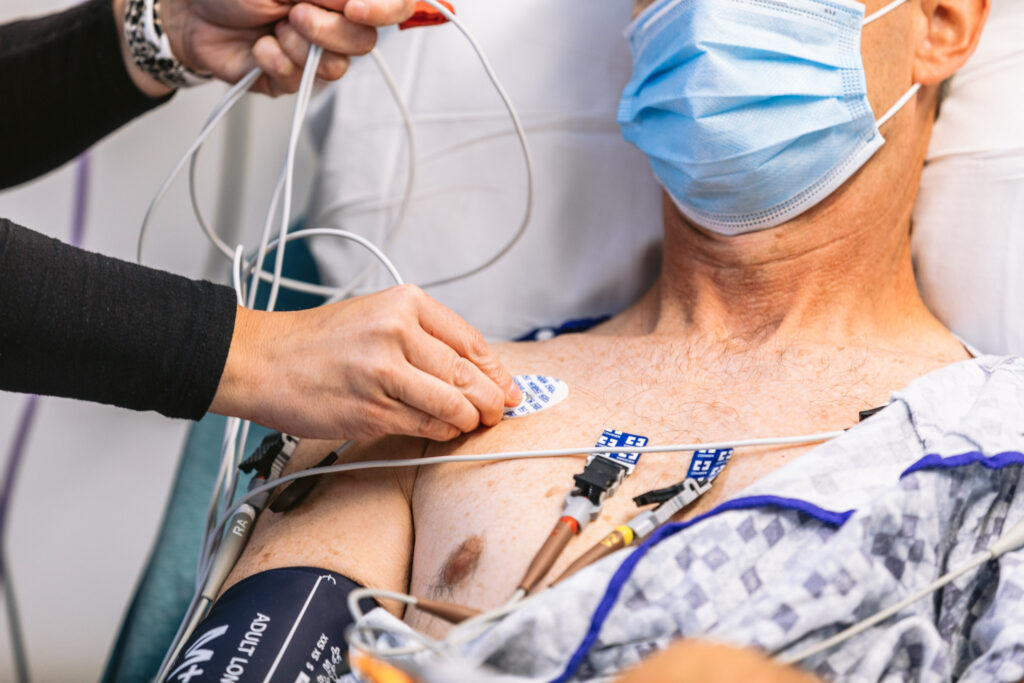
Heart diseases remain one of the leading causes of illness worldwide, making early and accurate diagnosis extremely important. Among the various diagnostic tools available in cardiology, the electrocardiogram (ECG) stands out as one of the most commonly used, reliable, and non-invasive tests. Patients often consult the Best Cardiologists in Sohana, Gurgaon when experiencing symptoms such as chest pain, palpitations, dizziness, or shortness of breath, and an ECG is usually the first investigation recommended. This simple test provides vital information about the heart’s electrical activity and helps doctors detect, monitor, and manage a wide range of cardiac conditions effectively.
Understanding What an ECG Is
An ECG, also known as an EKG, is a medical test that records the electrical signals produced by the heart as it beats. Every heartbeat is triggered by an electrical impulse that travels through the heart muscle, causing it to contract and pump blood. An ECG captures these impulses and represents them as waveforms on graph paper or a digital screen.
The test is painless, quick, and does not involve any injections or radiation. Small electrodes are placed on the chest, arms, and legs, which detect the electrical activity of the heart. These signals are then interpreted by trained medical professionals to assess heart rhythm and function.
Why Electrical Activity Matters in Heart Health
The heart’s electrical system controls the timing and coordination of heartbeats. Any disruption in this system can lead to abnormal rhythms or inefficient pumping of blood. Conditions such as arrhythmias, heart blocks, and conduction abnormalities can all be identified through changes in the ECG pattern.
By analyzing the electrical activity, doctors can determine whether the heart is beating too fast, too slow, or irregularly. This information is crucial because even subtle electrical changes may indicate underlying heart disease before structural damage becomes evident.
How an ECG Works
An ECG works by detecting voltage changes on the skin that result from the heart’s electrical activity. These changes are recorded as different waves and intervals, each representing a specific phase of the cardiac cycle.
The main components seen on an ECG include the P wave, QRS complex, and T wave. Each of these has clinical significance. For example, abnormalities in the QRS complex may indicate issues with the ventricles, while changes in the T wave can suggest problems with oxygen supply to the heart muscle.
Common Types of ECG Tests
There are several types of ECG tests used depending on the patient’s symptoms and clinical needs. A resting ECG is the most common and is done while the patient lies still. It provides a snapshot of the heart’s activity at a specific moment.
A stress ECG is performed while the patient exercises, usually on a treadmill, to assess how the heart responds to physical exertion. This type is useful for detecting coronary artery disease that may not be apparent at rest.
Holter monitoring involves wearing a portable ECG device for 24 to 48 hours to record heart activity over an extended period. This is particularly helpful for identifying intermittent arrhythmias.
ECG in the Diagnosis of Arrhythmias
Arrhythmias are conditions where the heart beats irregularly, too fast, or too slow. An ECG is the primary tool used to diagnose these disorders. By examining the rhythm and rate of the heartbeat, doctors can identify conditions such as atrial fibrillation, supraventricular tachycardia, or ventricular arrhythmias.
Early detection of arrhythmias is important because some types can increase the risk of stroke, heart failure, or sudden cardiac arrest. An ECG allows timely diagnosis and guides appropriate treatment strategies.
Role of ECG in Detecting Heart Attacks
One of the most critical uses of an ECG is in the diagnosis of myocardial infarction, commonly known as a heart attack. During a heart attack, blood flow to a part of the heart muscle is blocked, leading to characteristic changes in the ECG pattern.
ST-segment elevation or depression, along with abnormal Q waves, can indicate acute or past heart attacks. Rapid ECG assessment in emergency settings helps doctors make quick decisions about life-saving treatments such as clot-dissolving medications or angioplasty.
Identifying Ischemia and Coronary Artery Disease
Ischemia occurs when the heart muscle does not receive enough oxygen-rich blood. An ECG can reveal signs of ischemia, especially during a stress test. These findings suggest the presence of coronary artery disease, where the arteries supplying the heart become narrowed or blocked.
While an ECG alone may not provide a complete picture, it serves as an important screening tool that alerts doctors to the need for further investigations such as echocardiography or coronary angiography.
ECG in Diagnosing Structural Heart Problems
Although an ECG primarily assesses electrical activity, it can also provide clues about structural abnormalities of the heart. Conditions such as enlarged heart chambers, hypertrophy, or cardiomyopathy may produce characteristic ECG changes.
For example, left ventricular hypertrophy often shows increased voltage patterns on the ECG. These findings help doctors correlate electrical abnormalities with possible structural issues that may require further imaging studies.
Monitoring Chronic Heart Conditions
For patients with known heart disease, ECGs play a vital role in ongoing monitoring. Regular ECG tests help assess disease progression, response to treatment, and the effectiveness of medications.
Patients with pacemakers or implanted cardiac devices also rely on ECG monitoring to ensure proper device function and heart rhythm control. This continuous assessment improves long-term outcomes and quality of life.
ECG and Medication Management
Many cardiac medications affect the heart’s electrical conduction system. An ECG helps doctors evaluate how drugs such as beta-blockers, antiarrhythmics, or certain blood pressure medications influence heart rhythm.
By monitoring ECG changes, physicians can adjust dosages, switch medications, or identify adverse effects early. This personalized approach enhances treatment safety and effectiveness.
Importance of ECG in Preventive Cardiology
Preventive cardiology focuses on identifying risk factors and early signs of heart disease before symptoms become severe. An ECG is often included in routine health check-ups for individuals with risk factors such as diabetes, hypertension, smoking, or a family history of heart disease.
Detecting silent abnormalities through ECG screening allows for early lifestyle interventions and medical management, reducing the risk of major cardiac events in the future.
Limitations of an ECG
While an ECG is extremely valuable, it does have limitations. A normal ECG does not always rule out heart disease, especially if symptoms are intermittent or mild. Some conditions may not produce noticeable ECG changes at rest.
Therefore, ECG results are always interpreted alongside clinical history, physical examination, and other diagnostic tests. This comprehensive approach ensures accurate diagnosis and effective care.
Advancements in ECG Technology
Modern ECG machines are more advanced, offering digital recordings, automated interpretations, and integration with electronic medical records. Portable and wearable ECG devices have also become popular, allowing continuous monitoring in everyday life.
These technological advancements have expanded the role of ECGs beyond hospitals, making cardiac monitoring more accessible and convenient for patients.
The Role of Skilled Interpretation
Accurate ECG interpretation requires expertise and experience. Subtle changes in waveforms can have significant clinical implications. Skilled cardiologists combine ECG findings with patient symptoms and medical history to make informed decisions.
This highlights the importance of consulting experienced healthcare professionals who can ensure precise diagnosis and appropriate treatment planning.
ECG as a Tool for Emergency Care
In emergency situations, time is critical. ECGs are often the first test performed when a patient presents with chest pain or collapse. Rapid interpretation can distinguish between cardiac and non-cardiac causes, guiding immediate intervention.
The availability of ECG testing in emergency departments has significantly improved survival rates and outcomes in acute cardiac events.
Patient Experience During an ECG
From a patient’s perspective, an ECG is simple and stress-free. The test usually takes only a few minutes, and patients can resume normal activities immediately afterward. There are no side effects, making it suitable for people of all ages.
Understanding the purpose and benefits of an ECG helps reduce anxiety and encourages individuals to seek timely medical evaluation when symptoms arise.
ECG in Comprehensive Cardiac Care
An ECG is not just a diagnostic tool but a cornerstone of comprehensive cardiac care. It supports diagnosis, guides treatment, monitors progress, and plays a role in prevention. Its versatility and accessibility make it indispensable in modern cardiology.
By integrating ECG findings with advanced imaging and laboratory tests, doctors can deliver holistic and patient-centered care.
Conclusion
The electrocardiogram remains one of the most essential tools in diagnosing and managing heart conditions. From detecting arrhythmias and heart attacks to monitoring chronic diseases and guiding preventive care, the ECG plays a central role at every stage of cardiac health management. When combined with expert medical interpretation and advanced facilities, ECG testing becomes even more powerful. Choosing a trusted healthcare institution like the best multispecialty hospital in sohna gurgaon ensures access to comprehensive cardiac services, experienced specialists, and patient-focused care, all of which contribute to better heart health and improved quality of life.
Q1. What is an ECG and why is it done?
An ECG (electrocardiogram) is a simple, non-invasive test that records the electrical activity of the heart. It is done to check heart rhythm, heart rate, and to detect abnormalities such as irregular heartbeats, heart attacks, or reduced blood supply to the heart.
Q2. Is an ECG a painful or risky test?
No, an ECG is completely painless and safe. It does not involve needles, radiation, or electric shocks. Electrodes placed on the skin only record the heart’s electrical signals and do not cause discomfort.
Q3. What heart problems can be detected through an ECG?
An ECG can help diagnose arrhythmias, heart attacks, heart enlargement, ischemia, conduction disorders, and electrolyte imbalances. It is often the first test used when heart-related symptoms are present.
Q4. Can an ECG detect a heart attack immediately?
Yes, in many cases an ECG can quickly detect signs of an ongoing or previous heart attack. Specific changes in the ECG pattern help doctors decide on emergency treatment and further investigations.
Q5. Does a normal ECG mean the heart is completely healthy?
Not always. A normal ECG does not rule out all heart conditions, especially if symptoms are occasional or mild. Doctors may recommend additional tests such as stress tests, echocardiography, or Holter monitoring for a complete evaluation.